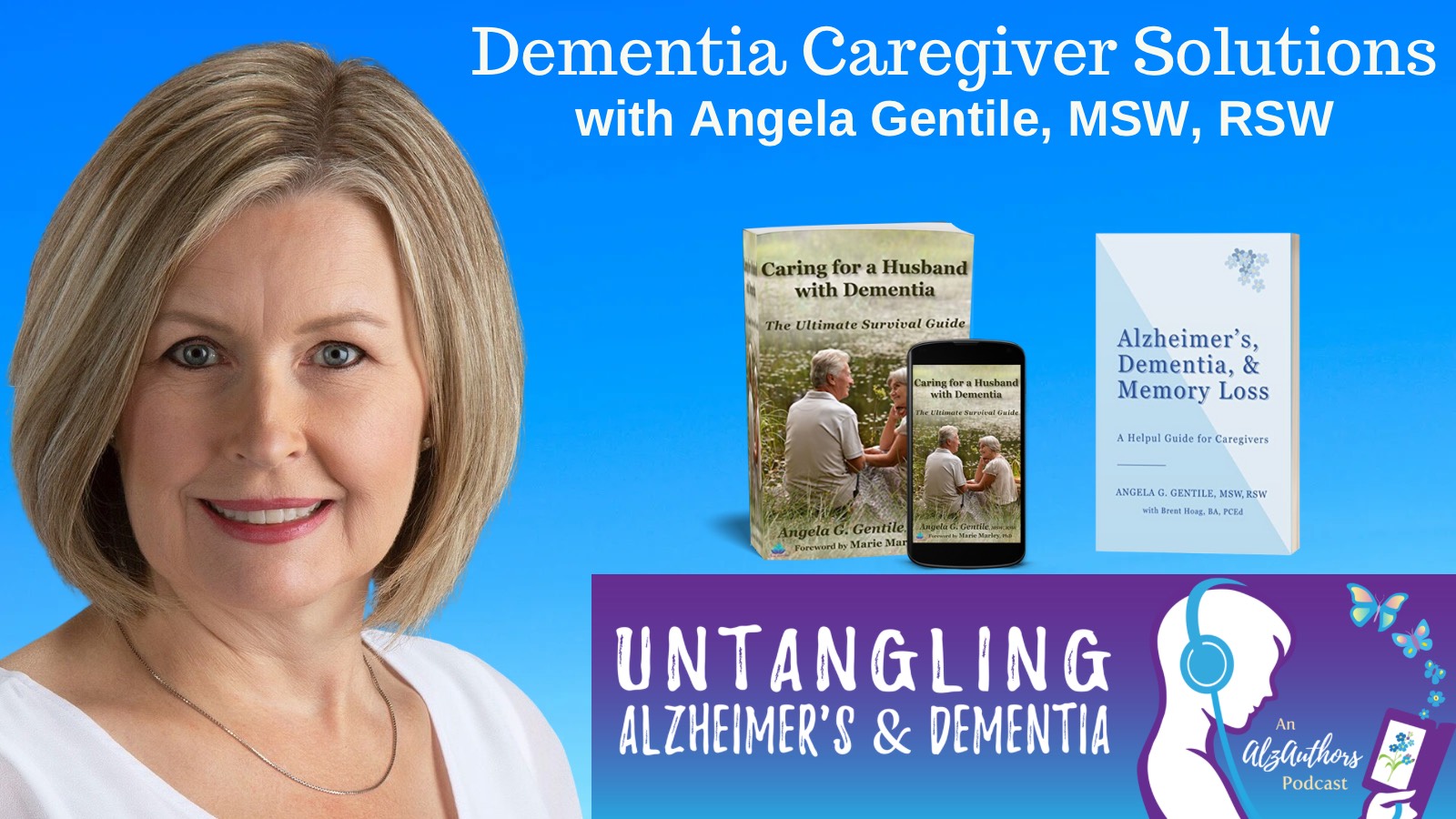
Marianne Sciucco of AlzAuthors interviewed me and put together a podcast for your listening pleasure. Check it out, here.
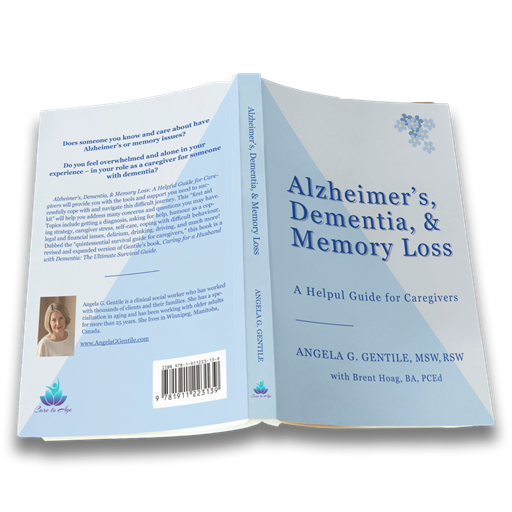
She asks me lots of great questions about myself and my new book, “Alzheimer’s, Dementia, & Memory Loss: A Helpful Guide for Caregivers.” Available now on Amazon in paperback and ebook for Kindle.
Stress is a normal part of life and can be caused by a wide range of factors such as work, relationships, financial problems, aging, caregiving, and health issues. While some level of stress can be helpful in motivating people to take action and find solutions, chronic stress can have a negative impact on a person’s mental and physical health.
People may seek counselling for stress because it provides a safe and supportive environment to explore and understand their thoughts, feelings, and behaviours related to stress. A therapist can help individuals identify the root cause of their stress, develop coping strategies to manage it, and learn relaxation techniques to reduce symptoms of stress.
Therapy can also provide an opportunity for people to process their experiences, address past traumas or negative life events that may be contributing to their stress levels, and develop a better understanding of their emotions and thoughts.
In addition, counselling can also help individuals with stress-related conditions such as anxiety, depression, and burnout. By working with a therapist, people can gain a deeper understanding of their patterns of behavior and thought, and develop a more holistic approach to managing stress.
Overall, therapy for stress can provide people with the tools and support they need to manage and reduce stress levels, and improve their overall mental and physical well-being.
Check out my Psychology Today profile for up-to-date information on my counselling services.
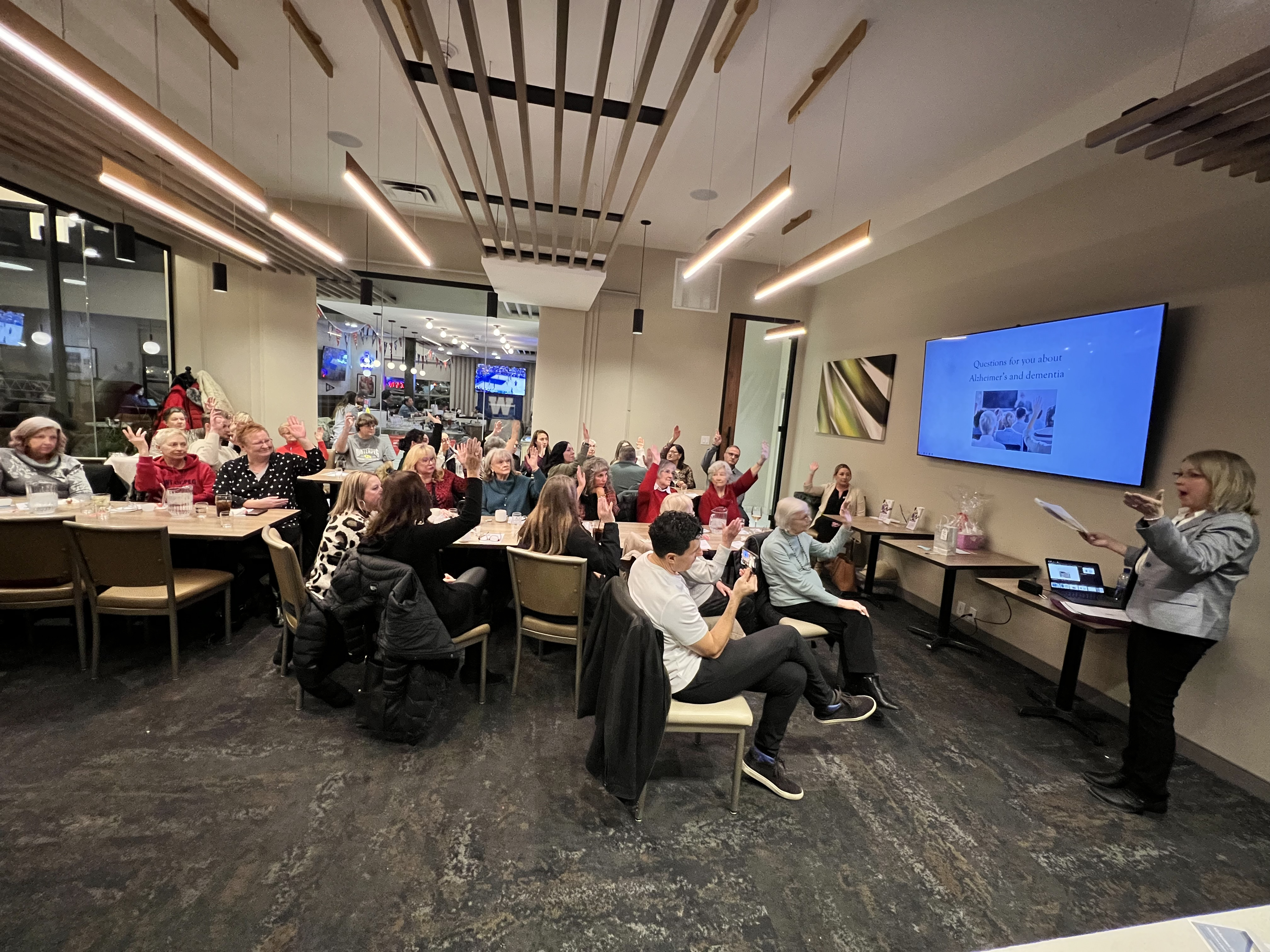
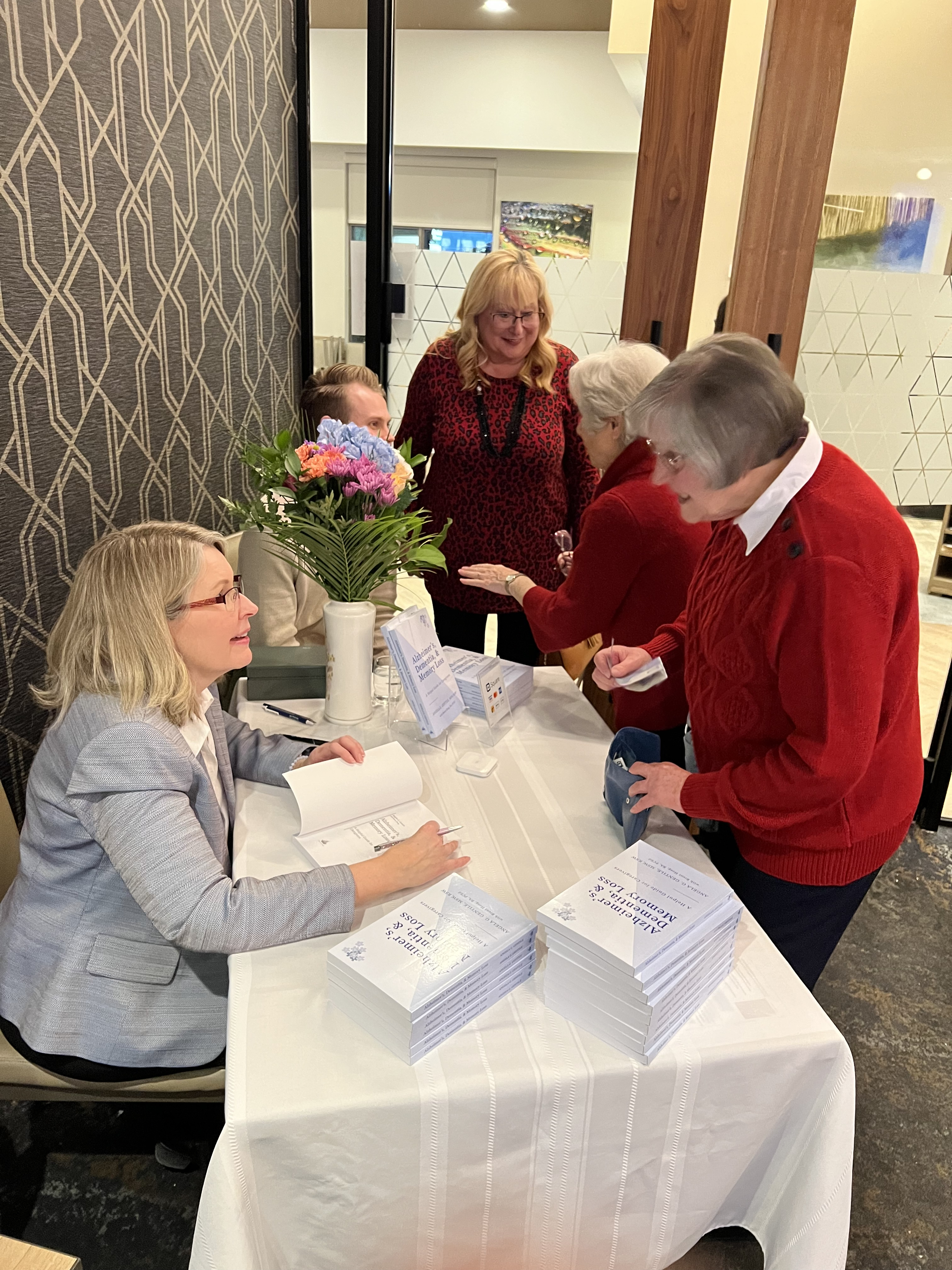
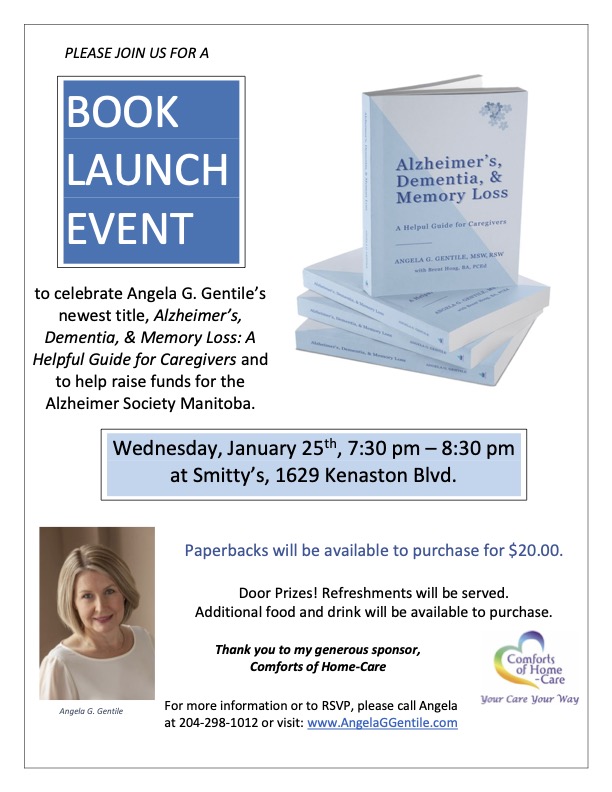
Angela G. Gentile, book launch for Alzheimer’s, Dementia, & Memory Loss
1. Plan well in advance: Give yourself enough time (3-4 weeks) to plan the event and invite guests.
2. Recruit a sponsor who can get more exposure for their generosity. They can pay for refreshments for example. Give them a table so they can have brochures and business cards available to your guests.
3. Choose the right venue: Select a venue that is appropriate for the type of event you want to have. Plan for about 40 people.
4. Create a guest list: Invite friends, family, media contacts, politicians, and other important people to your book launch party. Have an RSVP contact number. Follow up with your guests.
5. Consider holding a fundraiser to compliment the theme of your book. Offer to donate a portion of your sales to a charity. Take a collection. Set up an online donation page.
6. Promote the event: use social media and other marketing channels to promote your book launch party. Make posters and send them out.
7. Enlist people to: take photos, take a video, help with other tasks as needed.
8. Offer refreshments: Provide snacks and drinks for your guests to enjoy. Your sponsor can pay for this!
9. Greet people as they arrive. Let them know how much you appreciate them.
10. Prepare a presentation and tell your guests about your book. Provide a Powerpoint presentation with visuals to make it more interesting. Present some background on your book and read some passages. Let your guests know what inspired you. Aim for 20-30 minutes or so. Leave time for questions!
11. Make it interactive: Encourage guests to engage with the book’s topic by having activities or discussions related to the book’s theme.
12. Provide door prizes. Everyone likes to win something!
13. Have copies of the book available for purchase: Make sure to have copies of your book available for purchase at the event, so guests can take home a copy. Prepare to sign the books, too!
14. Prepare a small flyer as a takeaway if they aren’t ready to buy the book or want to bring back information to someone else.
15. Share your news on social media (photos, videos).
16. Thank your guests: Show your appreciation to the guests who attended your book launch party by sending thank-you notes or other small gestures.
17. Follow up with media contacts and guests after the event to thank them for attending and see if they have any feedback or opportunities for future promotion.
In January of 2023, I decided to go for a month without drinking alcohol. There are many reasons why people decide to go “dry” for a month at any time of the year, but I decided to start my non-alcoholic journey on January 2nd. Some may say I cheated, but I had intentionally decided my last drink was going to be on New Year’s Day. January and February, the “Dry-uary” months, are a great time to take a hiatus from poisoning our bodies with alcohol. Whether it’s going cold turkey or cutting back, any time we intentionally reduce our liquor consumption is good.
Dry January: An entire month where one abstains from drinking alcohol.
My experience was a very positive one. I had decided to take a break as I was noticing since the Covid pandemic lockdowns I was drinking more out of habit. I didn’t like how it made me feel – which was a tired feeling. It also made me want to snack more. I had developed a habit and association between alcohol and snacking on chips or cheese and crackers. The saying, “It’s five o’clock somewhere” became a daily joke.
I found myself being less productive and I wanted a reboot. As Alberta blogger Justine Celina (justinecelina.com) said back in 2021, one of her main goals for the new year was to develop a routine that supports her well-being and ditch some of the unhealthy, pandemic-induced habits she had developed. Dry January was one of the ways she was able to work on her relationship with alcohol. Her article was inspiring.
The 30 days without alcohol was surprisingly easy for me to do. When I went out to a restaurant, I told the server I was doing a Dry January, and he brought me a delicious and refreshing “mocktail.”
Much to my surprise, during the month of January, there was a big announcement from the Canadian Centre on Substance Use and Addiction, funded by Health Canada, providing guidance that consuming more than two drinks per week constituted a moderate health risk due to evidence linking alcohol to cancer. What timing! This gave me even more reason to cut back on my drinking.
Self-Care 101 – Commit to a Sober Month and Reboot Your Relationship with Alcohol
I found a “Dry January 2023” Facebook Group managed by Mari Wuellner and Molly Fitterer, hosts of “Don’t Take It From Us” podcast, and they had some great prompts to get us sharing about our experiences. There were about 266 members in the group. At the end there were about a dozen women who were commenting that we were very thankful to Mari and Molly for creating and managing the group. Listen to their podcast on Dry January (language and mature content warning!) – https://podcasts.apple.com/ca/podcast/10-dry-january-against-our-better-judgment-a-31-day/id1652379998?i=1000590605166
I could totally relate to Justine Celina’s comment, “Ditching alcohol reminded me just how focused and productive I can be, and how effectively I can manage my time!” (https://www.justinecelina.com/my-dry-january-experience/)
I am glad I chose to start this new year on the right path. It was easy to do, especially after all the holiday festivities of dining, snacking, and drinking. Lots of people make a pact with themselves to do a reboot whether it be a New Year’s resolution or just a commitment to live the happiest and healthiest life possible in the wake of a new year. I am glad I was successful in my mission.
After this experience of being alcohol-free for a month, I am happy to say I have found myself again! I have more energy and started exercising again. I feel more productive. I feel like I am in control. Self-care is so important to me and alcohol was getting in the way. Plus, I can only guess how much money I am saving. Dining out certainly costs a lot less when there are no alcoholic drinks on the bill!
I am not sure when my next drink will be, but I sure won’t be drinking as often as I was. I feel much better having a bubbly drink made with my new SodaStream (I bought it on January 8) or a nice herbal tea. Sometimes I indulge in a Pepsi! I am also looking forward to checking out the new Sobr Market non-alcoholic beverage store in Winnipeg (thesobrmarket.com).
If you are thinking about doing a “dry month,” I would highly recommend it. It’s a great way to reset your relationship with alcohol and to put yourself first. And you may be pleasantly surprised!
I have a small, compact device that helps me determine the authenticity of the beads and gemstones I sell. The machine is called a Presidium Gem Tester II. It runs on electricity or battery power (2 AAs). The technique is called thermal conductivity scale (TCS) testing. The scale reads Glass at one end (left side) and Diamond/Moissainte (right side) on the other. In between glass and diamond is a number of other semiprecious gemstones, including garnet, tourmaline, iolite; chyrsoprase, emerald, nephrite (greens); tanzanite, aquamarine; quartz, amethyst, citrine; jadeite, spinel; topaz; ruth, sapphire. (The red CAL stands for calibrate.)
To help me “measure” and record a reading of the thermal conductivity of the stones, I have decided to give them values from 0 – 6 (see the arched bars on top, like a rainbow). The first arched bar on the top left I will call value 1, next to the right is 2, and so on, until we get to the far right, which is 6 for diamond/moissanite. I will test three times, and use different beads from the same strand.
Each value (1-5) will be divided into quarters. So each stone will have a reading of a whole number (e.g. aquamarine could read as 2.0), or a portion of a whole number (e.g. jadeite could read at 2.75).
I will keep this listing updated as I test new stones.
AGATE: Bamboo Leaf (matte), 2.0; Black banded agate, 2.0; Yellow Fire Crackle Agate, 1.75
(An observation about agate: When the bead is broken, it looks like a glass substance. It is very shiny.)
AMETHYST (purple quartz): 2.5
CITRINE (yellow quartz): 2.5
HEMATITE: 3.0
JASPER (dalmation): 1.5-1.75
LAPIS LAZULI: 0.5
MOONSTONE: white with blue flash, rainbow, 0 – 0.25
QUARTZ (clear): 2.5
RHODOCHROSITE: 2.0
SHUNGITE: 2.25
SUNSTONE: 0.5
TIGER’S EYE: Natural matte, 2.25
To be identified:
Black stone 1 (opaque with minor white veining): 2.75-3.0
Black stone 2 (opaque with tiny chipped divits): 0.5
Testing the stone with the Presidium isn’t the only test I do to determine authenticity. There are other ways to examine beads, too!
If you would like to see my jewelry and gifts, check out “Gentle Angel Treasures” on Facebook and Instagram (@gatreasures).
YouTube video by Marilyn Christian: Sail on by Brent Hoag https://www.youtube.com/watch?v=TyRAhRZ4ud0. Brent Hoag wrote a poem for his wife, Sally, who suffers from Alzheimer’s. The words were put to music by Songfinch and sung by Effee.
On page 92 of, Alzheimer’s, Dementia, & Memory Loss: A Helpful Guide for Caregivers, which Brent Hoag helped me with, I explain about ambiguous loss, a term coined in the 1970s by Dr. Pauline Boss. It is the unfortunate situation whereby a loved one is still alive, but “lost” at the same time. They are physically present but psychologically absent. This happens when someone is affected by a disease such as Alzheimer’s or one of the many other neurocognitive disorders. Damage to and dying parts of the brain ultimately affects one’s personality. Some caregivers find writing can help them cope with their grief. Brent Hoag wrote a poem in 2021 called “Sail On” which is dedicated to his wife Sally (see below). He then had it made into a song, then naturally a video on YouTube followed (see above).
The book, “Alzheimer’s, Dementia, & Memory Loss: A Helpful Guide for Caregivers” that I helped author Angela G. Gentile in part to write, has been well-received with a lot of positive feedback. My original poem “Sail On,” which I dedicated to my wife Sally who is in the later stages of Alzheimer’s, appears on page 93 which follows Chapter 9 that I wrote addressing humour and coping in relation to Alzheimer’s/Dementia.
For your ease of reference purposes, I am also including the original poem that I wrote that went viral across Canada, the USA, and beyond. I am so grateful to have heard back from countless people who thank me and let me know how much the poem (and now song) resonate with them. It is also great to learn that it has been disseminated/shared within the Alzheimer Society British Columbia and amongst personnel primarily at the renowned UBC Brain Health Centre. The song “Sail On” was also played at a national conference on-line discussion at the University of Waterloo in Ontario, Canada.
Brent Hoag
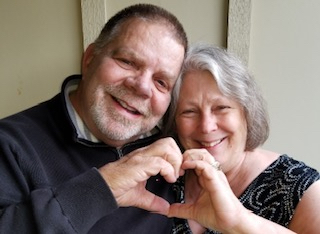
Brent and Sally Hoag
DEDICATED TO SALLY
SAIL ON
So far from the shore
I feel like I am no more
So far from land
I am now a lost husband
I am losing you
You are going away
Like a lost horizon on a cloudy day
From the deck I will release a dove
As a sign for you the one I love
Even though you are still here
I find that you are no longer near
Because you went adrift at sea
I will never again really be me
I love you Sally wherever you are
My heart is broken because you have forever gone afar
Even though I have found the shore
The “we” and “us” are never more
Sail on my love
Sail on my love
I pray that you find my dove
That I sent to you my love
Sail on
Sail on
Until you are finally free
From the bonds of this cruel sea
I will see you one day beyond the horizon
And my heavy tears will be no more
As we join together once again
So far from the shore
Love, Brent 💙
A special thank you goes out to Brent for sharing his beautiful poem. My heart goes out to him.
Angela G. Gentile, MSW, RSW
Note: Brent says, “Feel free to share and further disseminate this.”
Dry January is an annual event in which people choose to abstain from alcohol for the month of January. The campaign, which originated in the United Kingdom, encourages participants to give their bodies a break from alcohol and to reflect on their relationship with drinking.
The health benefits of abstaining from alcohol for a month are well-documented. Alcohol is a major contributor to liver disease, and giving the liver a break can help to reduce the risk of developing these conditions. Abstaining from alcohol can also improve sleep quality and help promote weight loss. It can help save money. Additionally, taking a break from drinking can help to improve mental clarity and reduce stress.
Participating in Dry January can also be an opportunity for individuals to reflect on their relationship with alcohol. Many people use alcohol as a way to cope with stress, anxiety, and other emotional issues, but this can lead to a cycle of dependence that can be difficult to break. By abstaining from alcohol for a month, individuals can gain a new perspective on their drinking habits and determine if they need to make changes to their relationship with alcohol.
However, it is worth mentioning that for people with certain medical conditions, history of alcohol use disorder or those who are recovering from addiction, the decision to take part in Dry January should be discussed with a healthcare professional.
In addition to the personal benefits, Dry January also serves as a way to raise awareness about the negative effects of alcohol on health and society. The campaign encourages people to think critically about alcohol and its role in their lives, which can lead to long-term changes in attitudes and behaviors.
Overall, Dry January provides an opportunity for individuals to improve their health, reflect on their relationship with alcohol, and raise awareness about the negative effects of alcohol. It’s an annual tradition that allows people to start the new year with a healthier lifestyle and a new perspective on drinking habits.
I have decided to take a break from drinking alcohol for the month of January in the year 2023, starting on the 2nd. I know a few others who are on this journey with me. I consider it a reboot or reset of sorts. I am already well into the experience and I am reaping the benefits. I will report back in more detail when my 31 “dry” days are behind me.
You can start at any time. Who else wants to give it a go?
Angela G. Gentile, MSW, RSW
Written with the help of ChatGPT, chat.openai.com.
Quality Senior Services – Trusted Professionals for All Your Needs. Member Angela G. Gentile.
Edit: I left the group on 12 Sep 2024.
Who can you trust to provide you with services and products that tried, tested, and true? Who do you call when you need professional services, products, or advice? If you are not sure, I have the answer for you!
I am proud to announce I am now a member of the Quality Senior Servicesnetwork of trusted professionals in Winnipeg, Manitoba. Who are we?
We are dedicated to providing quality products and services to seniors.
Are you a senior looking for assistance or someone caring for an older person? The goal of QSS is to help meet the diverse needs of older adults providing easy access to a variety of products and services. Call one of our trusted professionals or visit our website at qualityseniorservices.com to discover how SQQ members can help you or someone you care about.
Quality Senior Services, 2023
Our brochure and website lists an impressive variety of professionals, including:
Realtor
Financial Planner
Disability Tax Credit Advisor
Licensed Insolvency Trustee (Accountant)
Lawyer
Mortgage Broker
Clinical Social Worker (me!)
Dental Care
Nurse Practitioner
Pharmacist
Speech and Swallowing Therapy (SLP)
Private Home Care
Home Medical Supplies
Professional Movers, Transition Specialists, and Estate Sales
Funeral Services
and MORE!
Quality Seniors Services (QSS) was founded in 2007 to provide a trusted and reliable space for seniors and caregivers alike, to find credible professionals with a strong rapport in the older adult community. QSS strives to offer a comprehensive variety of health services providers, professional service providers, and quality of life services providers. Each member of QSS is held to a high standard and is required to have an up-to-date criminal record check, vulnerable persons abuse registry check, and industry certification and professional requirements.
Quality Senior Services, 2023
Many of our members provide mobile or home visits. Accessibility is key. We know.
Our membership is always evolving and we are open to having new members who provide services to older adults and their families. All service providers are vetted and trusted, whether they are health sector, quality of life, or general professionals. We all come with a wealth of experience.
You will see us out at the “Pros Know Expos” and we are always willing to chat with you about your needs.
Angela G. Gentile, MSW, RSW
Clinical Social Worker for Quality Senior Services
For more information on QSS or email us at qseniorservice@gmail.com.
Here in Canada, January is Alzheimer’s Awareness month. To commemorate this event, I am thrilled to announce the release of my newest book, Alzheimer’s, Dementia, & Memory Loss: A Helpful Guide for Caregivers (2022). This book has been in the making for a few years now and I am pleased with its completion. It is available for purchase on Amazon in paperback and ebook (Kindle) format.
Alzheimer’s, Dementia, & Memory Loss is a fully revised and expanded version of my book, Caring for a Husband with Dementia. Caring for a Husband with Dementia, written in 2015, has been my number one seller and this new book is sure to enlighten everyone. It is written in gender-neutral language and will be relevant for all care partners and those who provide assistance and help to those struggling with cognitive decline and neurocognitive disorders.
My idea for this book came to me not long after I published, Caring for a Husband with Dementia. I had people asking me, “Where is the book for us husbands?” and “Where is my book? I am a child of a parent with dementia.” This got me thinking. So I started by having men who were caregivers look over the book. I had one man who was unable to complete his mission. So I had to continue to search for the right person(s) to help me.
Dubbed the “first aid kit” and “quintessential survival guide” for caregivers.
Eventually, I developed a friendship (through an online caregiver support group) with a man named Brent Hoag, whose wife Sally had been diagnosed with Alzheimer’s disease a few years prior. He was very keen on helping me and agreed to review the book from a male caregiver’s perspective. He is a prolific writer in support groups and online, so I knew he would be a great choice. His contributions to this book project were so valuable that I included his name on the front cover!
Brent’s contributions to Alzheimer’s, Dementia, & Memory Loss include a chapter on humour and his words of wisdom, experience, and advice are sprinkled throughout the book. You can sense the love for his wife in his words and the challenges he endured and how he handled them with loving care.
In this expanded volume I include special chapters on delirium, drinking, driving, and doggy dementia. In the seven years since I wrote my first book on dementia, caregivers have come to me with some very challenging situations that are unfortunately more common than we realize. The dementia-affected brain can pose so many difficult situations for caregivers, so this book is sure to shed some light on how to cope and manage.
Topics include:
Getting a Diagnosis
Understanding Dementia
Understanding Caregiving
Asking for Help
Practical and Emotional Support
Caregiver Burnout and Self Care
Humour as a Coping Strategy
Improving Self-Esteem
Long-Term Care Placement
Loss, Grief, and Bereavement
Communication (includes Therapeutic Reasoning®)
Coping with Difficult Behaviour (the biggest chapter with tons of tips!)
Abuse and Neglect
Legal and Financial Preparedness
Delirium and the Older Adult
Problem Drinking and Dementia
Unsafe Driving
Doggy Dementia
and more!
These 210 pages are full of support, tips, and advice that everyone can learn from whether you are a informal care provider or a formal caregiver. Problems with one’s memory and recalling recent events is often one of the first signs of dementia. I have included the term “memory loss” in the title in case a failing memory is the main problem one is having.
If you would like to purchase a copy, I always have some available on hand, or you can purchase the book online from Amazon. Contact me for any other inquiries, or click on these links to go to Amazon (USA – change country if needed):
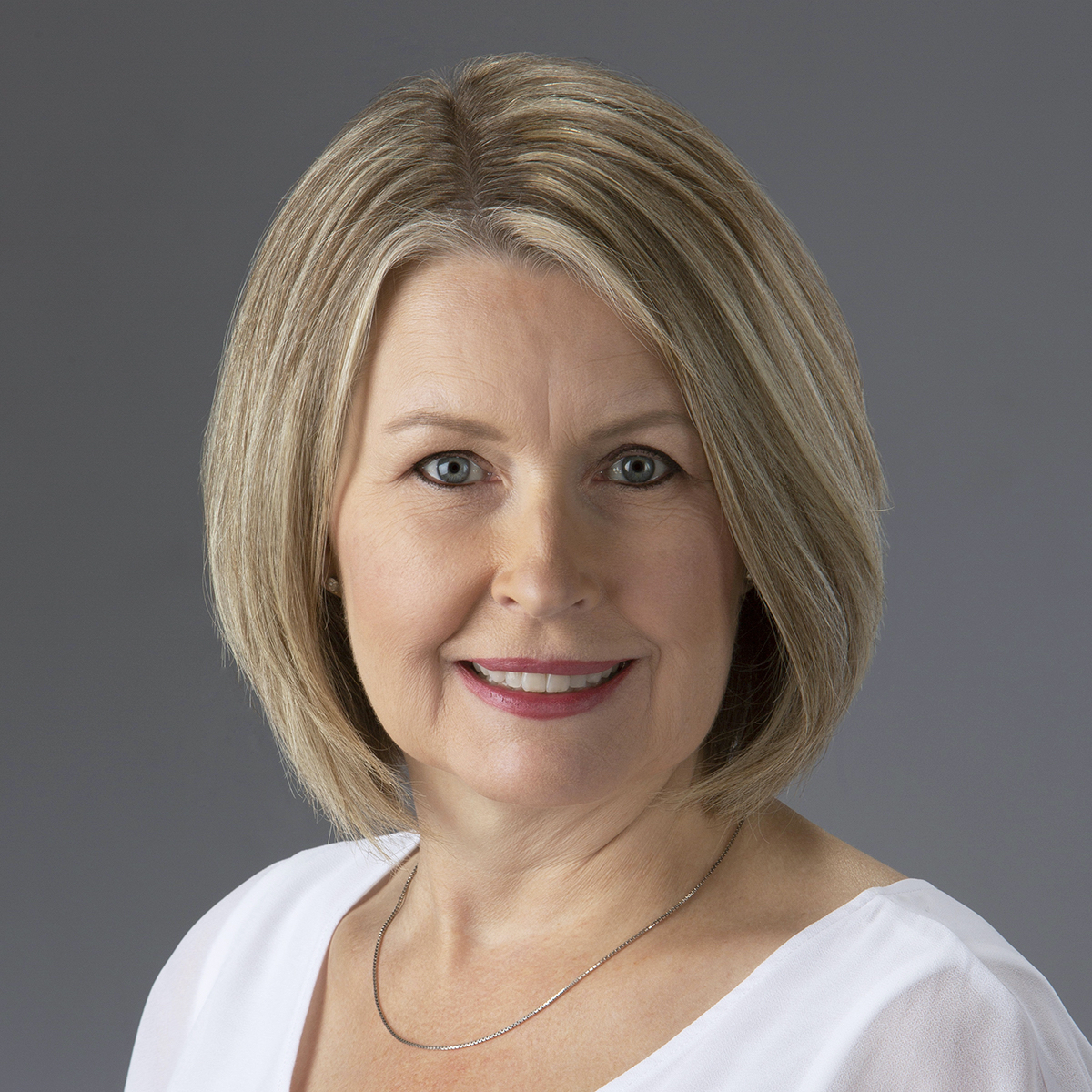
Angela G. Gentile is a clinical social worker who has worked with thousands of clients and their families. She has a specialization in aging and has been working with older adults for more than 25 years. Angela is married, has two adult children, and lives in Winnipeg, Manitoba, Canada.