How to Find an Apartment in Winnipeg, Manitoba

Aurora Heights Apartment, Winnipeg (Broadstreet Properties)

Home ownership has become very costly. A lot of people can’t afford to buy a house. Apartment rental can be expensive as well, but it is usually more cost efficient. Also consider renting a small house, condo, townhouse, or duplex. When looking for an apartment to rent, there are several things you should keep in mind:

Budget: Determine how much you can afford to spend on rent, including any additional fees such as utilities, parking, pet fees, and damage or security deposit. FYI – In Winnipeg (in 2023), a nicer newer modern two-bedroom apartment may range from $1400-$1700/month CAD. Smaller, older apartments may start at half that cost. Manitoba Housing also has subsidized apartments.

Sunlight: How much sunlight do you want? Are there lots of windows? Do you want morning sun (east-facing) or late-day sun and sunsets (west-facing)? A south-facing apartment will get more sun in general than one that faces to the north.  

Accessibility: Consider if the entrance to your building accessible by wheelchair or walker. Are there ramps or an elevator? 

Location: Consider the location of the apartment in relation to your work, school, bus routes, and other amenities such as grocery stores, restaurants, and entertainment.

Walkability: This is important for some people. Everything you need should be about 10-15 minute walk. From Reddit user YYZtoYWG: “If you want to be walking distance to grocery stores and amenities:  St Boniface, The Exchange, Broadway/Assiniboine, Osborne Village, Corydon, South Osborne, Wolseley, West End (west of Arlington).” I would add the strip on Grant across from the Grant Park Shopping Centre is a great location, too. 

Size and layout: Determine the size and layout of the apartment that would work best for you, taking into account the number of bedrooms, bathrooms, and overall living space.

Amenities: Consider what amenities the apartment complex offers, such as an air conditioner or central air, a patio or balcony, dishwasher, shower or tub, in-suite laundry or on-site laundry facilities, on-site storage, indoor parking, gym access, and security features.

Lease agreement: Read and understand the lease agreement, including the terms of the lease, the duration of the lease, and any fees or penalties that may be incurred.

Safety and security: Consider the safety and security of the apartment complex, including the availability of security cameras, on-site security personnel, and the overall safety of the neighborhood. Walk around the neighborhood. See it both in the daytime and nighttime. 

Maintenance and repairs: Inquire about the process for reporting maintenance and repairs, as well as the average response time for addressing these issues.

Rental history and credit score: Landlords often conduct background checks on prospective tenants, so be prepared to provide your rental history and credit score. You may need to provide a reference or two as well. 

Winnipeg, at the Forks in winter (Pexels)

How do you find an apartment to rent in Winnipeg?

I have seen people putting out a message on Facebook if anyone knows of an apartment for rent. This is always a good way to start.

Visit neighbourhoods: If you’re already in Winnipeg, you can visit neighborhoods that you are interested in living in and look for “For Rent” signs on apartment buildings. This is a good way to find apartments that may not be listed online. You can then go to the front door and see who manages the property. Take down the name and number and call for more information.

Google search: Next, you can Google “Winnipeg apartment rentals.” You will get a list of sponsored ads, but this would give you an idea of what property companies are seeking tenants. If you know the area you want to look in, add the area to the end of the search term. Example: Google “Winnipeg apartment rentals Osborne Village.” I will provide an example of some of property management companies below.

Rental websites: There are some websites that keep lists of apartment rentals. Many of them have filters and maps so you can explore the options and areas. Some of the websites I came across follow (in no particular order):

Rentals – https://rentals.ca/winnipeg

Rent Board – https://www.rentboard.ca/winnipeg-mb

Pad Mapper – https://www.padmapper.com/apartments/winnipeg-mb?box=-97.39311218261719,49.707164332873155,-96.90696716308594,50.025828752356176

Rent Cafe – https://www.rentcafe.com/apartments-for-rent/ca/mb/winnipeg/

RentFaster – https://www.rentfaster.ca/mb/winnipeg/

Kijiji and Facebook Marketplace are good to find options for rentals:

Kijiji – Apartments and condos for rent: https://www.kijiji.ca/b-apartments-condos/winnipeg/apartment__condo/c37l1700192a29276001

FB Marketplace – Property Rental: https://www.facebook.com/marketplace/category/propertyrentals

For older adults, there is a listing called the Winnipeg Housing Directory for Older Adults (mainly independent living): https://www.aosupportservices.ca/wp-content/uploads/2020/05/Housing-Directory-2020-for-website.pdf

There is also an online Winnipeg Renters Guide (this is an example of an issue from April 7, 2023) – https://issuu.com/wall2wall/docs/renters-guide-april-7-2023

Contact property management companies: You can contact property management companies in Winnipeg that manage multiple apartment buildings. These companies often have vacancies in their buildings and can help you find an apartment that suits your needs. The Top 3 Best Property Management Companies may also be a place to start. Property management companies to consider (there are more, just do a Google search, here are some in no particular order):

Sunrex property offers some pet-friendly suites – https://www.sunrex.ca/home

Urban Square with Centurion Property Associates Inc. (pet-friendly) – https://www.cpliving.com/apartments/urban-square

Broadstreet Properties – https://www.broadstreet.ca/residential/cities/winnipeg

Forthright Properties – https://www.forthrightproperties.ca/residential/cities/winnipeg

Know your rights! Make sure that you read through the Tenancies Act for Manitoba.  https://www.gov.mb.ca/cca/rtb/

Take your time when searching for an apartment to ensure that you find a space that meets your needs and fits within your budget. Keep notes on each place you are considering as you may not remember all the details! Let me know if there are any other things people should know when looking for an apartment to rent in Winnipeg, Manitoba.

Angela G. Gentile, MSW, RSW

Written with the help of ChatGPT

How to Get Dementia – Top 10 Tips (Satire)

A break from my usual programming…

I have been reading a lot about how to prevent dementia. My books on dementia caregiving have made me think a lot about how we can prevent getting dementia or some other form of neurocognitive disorder such as Alzheimer’s. Dementia is a condition in the brain that affects our capacity to remember things, process information, and organize our thoughts. It can impact our ability to make safe and wise choices and it can affect our language and movement. I have been listening to webinars, reading books, and scanning the Internet for organizations who have authority on the subject. Here’s a satirical piece on the subject, a break from my usual kind of writing.

Top Ten List of Ways to Increase Your Chances of Getting a Dementia Diagnosis

1.Live a very long life. The older we get, the better our chances are to get dementia. Dying at a younger age can work against you if you really want to experience the joys of dementia. If you are lucky, you may end up getting early-onset dementia which is when it comes when you are under the age of 65.

2. Don’t exercise. Stay very sedentary. The less you move, the better it is for dementia to set in. The less stress you put on your heart and your muscles, the more chances your brain and vascular system has to suffer the consequences of very slow and gentle blood circulation. Moving more and getting your blood pumping would deliver more oxygen and healthy cells to your organs, so the less chances of that happening, the better.

3. Smoke and drink alcohol. The more you smoke and drink, the better. If you started smoking and drinking (they go hand-in-hand!) at a younger age, that would definitely increase your chances for getting dementia. If you haven’t smoked or drank in your life, you should start now. The unfiltered cigarettes are the best. Any kind of alcohol is perfect (just remember if you don’t want to get cancer or heart disease, you may faced with a difficult decision.)

4. Eat lots of junk food. The more sugar in your diet, the better! Dementia (and cancer – what a bonus!) loves sugar. If you have diabetes that is even better. Poorly managed blood sugars can also increase your risk for stroke and heart attack. They don’t call dementia Type 3 diabetes for nothing. Eat whatever you want to your hearts content. Just avoid nutritious meals like what they recommend for the MIND or Mediterranean Diet (you know like lots of fresh fruits, vegetables, nuts, and seeds). They say “What’s not good for your body is not good for your brain” so that’s a good mantra to put on repeat. The more processed foods you can add to your diet would be very advantageous. And while you are at it, stop drinking so much water. That way you don’t have to piddle so much (that tip comes from my mom!).

5. Invite and create lots of stress in your life. Studies show that stress can cause lots of stress on your system which can lead to lots of bad things happening in your body – including cognitive decline. It would be advisable to avoid things like meditation, self-care, having fun, and taking breaks. If you are still of working age, find a job that is really stressful that pushes you to the limits. You may also end up getting high blood pressure, anxiety, and sleep deprivation, so these combined can really enhance your chances of getting some sort of brain drain and cognitive problems.

6. Stop doing novel things. If you like to be bored and thrive on doing nothing new, this is the perfect thing for you! Keep on turning down opportunities that can enhance your learning. Your brain will feel good and learn how to build new neural pathways, so this is a no-no when it comes to wanting an unhealthy brain. Traveling can also cause an increased risk of learning and expanding the brain cells. People who want to get dementia stop traveling and especially refuse to learn new things such as a new language or take a dance class.

7. Welcome and encourage head injuries. If you want to increase your chances of banging up your head and causing some damage, you can do risky things like riding a bike without a helmet, or be in a motorized vehicle without a seatbelt (one downside of not wearing a seatbelt is that you may be fined or you may get a really bad body injury, not just a “traumatic brain injury” or even death). If you are a bit unsteady when you walk, don’t use a cane or walker. Using mobility aids can help prevent you from falling, and therefore it could help prevent a bonk to the head. Taking a risk to go from here to there with the walker will only decrease your chances for bumping the old noggin.

8. Try not to sleep so much. The less sleep you get, the better. Your brain cleans itself at night, so the less sleep you get, the less chance your brain has to clean itself. It’s better to let the impurities build up in hopes it could cause some build of of plaques and maybe even tangles (I am not quite sure how the plaque and tangles form, but I am thinking it may have something to do with poor sleep habits.)

9. Avoid contact with others. Stay in to win! One of the best ways to get dementia is to stay home on your own, most of the time. If you live with family or have a roommate, try to avoid them as much as possible. They say the more you converse with and interact with people, the more healthy your brain is. If you play bridge or scrabble, stop playing it. The brain is stimulated by sitting with others, strategizing the next move, and it’s really bad for (helps reduce the risk of) dementia. “Just say no!”

10. Don’t correct your poor vision or hearing. Toss away your glasses and hearing aids. It has been proven that if you can see and hear well, it reduces your chances to get Alzheimer’s and other forms of dementia. I am not completely sure of how that works, but they are learning that people who have poor hearing and don’t wear hearing aids have a bigger chance of getting dementia. Same goes for difficulties with vision.

What other things can we do to help ourselves get dementia? I want to hear it!

Angela G. Gentile, MSW, RSW

Addictions Counsellor Amber – Helping People Break Free From Their Addictions

Addictions Counsellor Amber

Amber Dittberner is an addictions counsellor in Winnipeg, Manitoba. She is known as “Addictions Counsellor Amber.” Her main focus is on counselling people with addictions, however she also helps with other issues such as anxiety and depression.

After achieving sobriety in 2011, Amber decided to focus on improving the lives of those living with problematic substance use by providing tools for assessment, goal-setting, strategies, education, and talk therapy. She supports accountability and offers Cognitive Behavioural Therapy (CBT) to help pave the road to recovery. As a recovered alcoholic herself, she states, “Helping others is so important both for myself and because I want others to break free from their addictions, too.”

I love helping others and seeing the changes that can be made in rebuilding a life that is sober and enjoyable!

– Amber Dittberner

Amber says, “Alcohol Should Be Banned” – View her popular YouTube video to hear her talk about why it should be banned.

Amber is a member and is on the board of the Manitoba Chapter of the Canadian Counselling and Psychotherapy Association. She obtained her Applied Counselling Certificate specializing in addictions from the University of Manitoba.

Amber’s majority of clients are adult men and women, ranging from ages 21-50. She sees clients both in-person and virtually. Amber states, “Addiction affects those of all walks of life. There is still a stigma against addicts that needs to change. I try to help many though my social media posts by creating awareness. Lots of young people reach out looking for guidance.”

Addiction Counsellor Amber’s Office

People choose to see Amber because she has lived life experience. This can mean a lot to those struggling with an addiction to see someone who has the counselling education as well as having had the experience of struggling with addiction, recovery, and is living a sober life now. Amber provides the hope and strength needed during tough times.

Amber is dedicated to help people through their recovery journey. She is currently accepting new clients and would love to hear from you.

Where to reach Amber Dittberner:

Website: Addictions Counsellor Amber

Instagram: addictions.counsellor.amber

Facebook: Addictions Counsellor Amber

TikTok: addictionscounseloramber

YouTube: addictionscounselloramber

Angela G. Gentile, MSW, RSW

How to Boost Your Brain Health by Cynthia R. Green, PhD

Reprinted with permission.

I have recently discovered Dr. Cynthia Green and the work she is doing with Total Brain Health. I recently signed up to received emails and this is the first one I received. I think it’s a great article and I asked the Total Brain Health team if I could share this on my website and they gave me permission to do so. Please have a read and I would love to hear your comments. I like the idea of “playing against the clock.” Contact information for Total Brain Health and a few related links are found below.

10 Things You Can Do Right Now to Boost Your Brain Health

by

 Cynthia R. Green, PhD

Brain health is today’s hottest topic. Here are the top 10 things everyone should know about improving brain health – they might just surprise you!

  1. Take a Walk. Getting off the couch and onto your feet is the best thing you can do for your brain! Studies have shown that regular aerobic exercise (the kind where you can keep up but can’t keep up a conversation) boosts daily intellectual performance and significantly lowers the risk for dementia. Even walking at a vigorous pace at least 30 minutes a day 5-6 times a week will do the trick. 
  2. Lose that Spare Tire. Studies have shown that maintaining a healthy weight with a low ratio of “belly fat” can significantly lower the risk for a memory disorder. Stick to a healthy, well-balanced diet, maintain an appropriate weight, and balance your intake of alcohol and caffeine. Want to go that extra step? Try adding foods high in Omega-3 fatty acids and antioxidants to your diet, such as fish and berries, as some studies suggest these may lower dementia risk.   
  3. Follow Doctor’s Orders. Staying on top of your medical care is key in addressing issues that affect memory. Managing chronic conditions, such as hypertension or diabetes, can significantly reduce the risk for stroke and dementia. Also, taking care of medical issues such as hearing or vision loss can have tremendous impacts in your ability to learn new information, such as names. Find out if your medications may be making it harder for you to remember. Talk with your doctor about any concerns you might have. 
  4. Get Your Zzzzz’s. Lifestyle choices we make daily, such as how much sleep we get, how stressed we feel, to what risks we take (such as whether we use a helmet when we ride a bike or ski) impact our daily memory performance and brain health.  Emotional distress – anxiety, feeling blue – also can lower our everyday ability and may even increase the risk for memory impairment. Get a good night’s sleep, avoid risky behaviors, and don’t ignore emotional upsets.  
  5. Play PacMan. As we age, we experience changes in our everyday intellectual skills. Those changes commonly affect our ability to stay focused, think quickly, multitask, and learn new information (after all, learning new things require the previous three skills!). Want to stay sharp no matter what your age? Play games against the clock. Timed activities force you to pay attention, work fast, and think nimbly – you can’t beat the clock without doing so!   
  6. Learn How to Remember. While things such as timed brain games or eating a brain healthy diet certainly support better memory, you might need a bit of a boost when it comes to remembering things such as passwords, directions and – everyone’s favorite – names! Learn strategies to enhance your daily recall, such as making a connection between something you are learning (like the name “Florence”) and something you already know (such as the actress Florence Henderson). And don’t forget date books and “to-do” lists as these “memory tools” are essential for keeping track of the things you have to do but that aren’t worth memorizing. 
  7. Get Schooled.  Staying intellectually engaged can significantly lower risks for memory impairment, in some cases by as much as 63%! Such challenges encourage brain plasticity and may offer protection against deterioration over time. Intellectual engagement offers opportunities to socialize and supports emotional well-being. Look for activities out of your comfort zone – if you like to read, try a pottery class. Also, look for little ways to “change up” your brain’s routine, such as brushing your teeth with your nondominant hand, or taking a new route to work. 
  8. Go Out with the Gang. Staying social has been shown to potentially cut your risk for memory impairment in half. That’s a pretty powerful reason to get away from the TV and go outdoors! Social situations offer great challenges for everyday thinking. Keeping up a conversation forces you to stay focused, think fast and be nimble with our neurons. Look for ways to get out informally with friends, as well as other ways to engage through your community or other resources.   
  9. Get a Job. Working or volunteering can improve your daily intellectual performance. You get a good brain workout on the job, which offers you the chance to engage both mentally and socially. What you may not know is that more complex work settings, such as those that require you to supervise others, have been associated with a reduced risk for dementia later in life. Working or volunteering might give you a sense of purpose, which researchers at Rush Medical Center in Chicago recently found may also protect from memory impairment. 
  10. Perfect the Power of Positive Thinking. If you want to remember more effectively, believe that you can! Self-perception can impact performance. If a baseball player thinks he’ll never hit it a home run, chances are he never will. Similarly, if you are convinced your memory is lousy, it probably will be! Studies have shown that memory self-belief impacts how well you do on tests of memory ability. What you think about yourself can make a difference to how motivated you are to even try to remember something! Practice the power of positive thinking and believe in your memory. 

For more information on Total Brain Health:

Total Brain Health

89 Commerce Road

Cedar Grove, NJ USA 07009

973-655-0422

www.totalbrainhealth.com

www.tbhtoolkits.com

www.tbhtoolbox365.com

www.tbhbuildmymemory.com

Angela G. Gentile, MSW, RSW

Sugar, Heroin, and Alzheimer’s Disease – Kick the Sugar Habit to Decrease Your Dementia Risk

Photo by Alexander Grey on Pexels.com

Why is it so hard to take just one bite of that sugary treat? One square of chocolate? One jelly bean? Why do some of us need “double sugar” in the morning? Why do we crave sweets?

It could be due to sugar’s addictive quality.

There are many dangers of too much sugar consumption. Whether it’s hidden in our food or drinks, or put in our coffee in plain sight, it’s a well-accepted modern-day “drug” consumed by all ages. Research is finding that one of the many dangers of ingesting too much sugar is the increased risk of Alzheimer’s disease dementia.

Sugar Addiction is Compared to Drug Addiction

Sugar has long been compared to addictive illicit drugs like heroin due to its ability to trigger pleasure centres in the brain and create a sense of euphoria. While the addictive qualities of sugar are not as extreme as those of heroin, there are certainly some similarities between the two substances.

Firstly, both sugar and heroin activate the brain’s reward system. When we consume sugar or take heroin, our brain releases dopamine, a neurotransmitter that creates feelings of pleasure and reward. Over time, our brain becomes accustomed to these dopamine spikes, and we may crave more sugar or heroin to recreate that sense of pleasure.

Secondly, both sugar and heroin can lead to tolerance. As we consume more sugar or take higher doses of heroin, our brain becomes less sensitive to dopamine, and we may need more of the substance to experience the same level of pleasure. This can lead to a vicious cycle of increasing consumption and decreasing pleasure, similar to the cycle of addiction.

Finally, both sugar and heroin can lead to withdrawal symptoms. When we abruptly stop consuming sugar or heroin, our brain chemistry is disrupted, leading to a range of physical and emotional symptoms. These can include anxiety, irritability, headaches, and fatigue.

Differences Between Sugar and Heroin

There are important differences between sugar and heroin. Heroin is an illegal and highly dangerous drug that can lead to severe health problems and addiction, while sugar is a legal and relatively harmless substance in small quantities. However, the similarities between the two substances highlight the potential dangers of consuming too much sugar and the importance of reducing it in our diet.

Kick the Sugar Habit for Health

While sugar and heroin are vastly different substances, they share some similarities in terms of their effect on the brain’s reward system, tolerance, and withdrawal symptoms. By understanding these similarities, we can better appreciate the potential dangers of sugar (including Alzheimer’s disease dementia) and make informed decisions about our consumption of this ubiquitous ingredient. Read labels and learn more about the hidden added sugar in your food. Reduce your dementia risk and kick the sugar habit.

Angela G. Gentile, MSW, RSW

Made with the help of ChatGPT

You may also like: 30-Day No Sugar Challenge Prep Week

30-Day No Sugar Challenge Prep Week

Photo by Pixabay on Pexels.com

The COVID-19 pandemic is now into its fourth year. There are many concerns of how the pandemic has impacted our health and in a negative way. Weight gain and adopting unhealthy habits has certainly been my experience. In addition to rebooting my relationship with alcohol this past “Dry January,” I now want to take a closer look at my relationship with sugar and how I got started on my first 30-Day No Sugar Challenge.

My First Memories of Sugar

My first memories of sweet treats included candies called Black Babies, Wax Bottles, Marshmallow Strawberries, Pixy Stix, and Fun Dip. Many of these treats were found in convenience stores and cost pennies or nickels. Coming out of the corner store with a small paper bag filled with candies was always a fun and exciting time. Little did we know at the time that consuming too much of these sweet treats could cause tooth decay and cavities. Something we learned when we got a tooth ache or went to the dentist for a check-up.

As an adult, I have to admit I still love those Marshmallow Strawberries. My tastebuds have now matured and I have a very close attachment to dark chocolate (dark chocolate is good for you, right?). These sugary treats make me happy. Most sweet foods have a connection to mood. Cake, cookies, ice cream, pop, and other sweet food products are usually consumed when we want to either “treat ourselves” (reward to make us feel good), celebrate, socialize, or commiserate. “Pop and chip parties” have always had a very positive meaning to me. Still to this day I think of pop and chips in a fond way. Sugar and sweeteners (artificial or otherwise) appear to have an emotional component connected to them. “Instant gratification” can be achieved by simply going to the ice cream parlour and getting a sugar rush. We also know there are feel-good hormones related to the consumption of sugar. The Cleveland Clinic explains why we love sugar so much.

“Our brains are wired to enjoy things which make us happy,” says Taylor. “Sugar, in particular, releases brain chemicals, like serotonin, that make us feel good.” This leaves us wanting to experience that good feeling over and over again, day after day.

Cleveland Clinic

Emotional Hunger and Real Hunger

I have learned there are two types of hungers. One is emotional (a.ka. brain or head) hunger and the other is real hunger. Many of us eat when we aren’t really physically hungry and needing fuel and nutrition to feed our bodies. The Brisbane Obesity Clinic gives a list of reasons why we eat when we are emotionally hungry.

“Emotional hunger, also known as head hunger, refers to eating in response to an emotion or a habit. This type of hunger usually comes on suddenly, and people tend to crave a particular food (usually sweet, salty or a comfort food).

  • Eating on autopilot whether you are watching TV or sitting on the couch. Here, you associate a habit or activity with food even though you are not hungry.
  • Do you automatically grab something at the servo when you stop for fuel?
  • Do you eat something at a party only because it is offered to you/is free?
  • Do you get the free muffin when you buy your coffee, even though you didn’t want the muffin in the first place?
  • Do you order an entrée or dessert when dining out with friends just because others have ordered it?
  • Do you tend to eat when bored, stressed or sad?

All of these external cues are driven by head hunger, and have nothing to do with being truly hungry. In summary, head hunger has social and emotional triggers.” 

Brisbane Obesity Clinic

Sugar Addiction and Detox

In order to prepare for my 30-Day No Sugar Challenge (NSC), I did a lot of research online. I started by reading this article on Healthline called, What are 30-Day No Sugar Challenges? All You Need to Know. I put an announcement out on social media and invited any other people who wanted to do a NSC to message me. Six other ladies joined me! I created a chat group on Facebook Messenger as well as a private Facebook Group. I joined the private SugarDetox Support Group as well for more tips and support.

The first week I called “Prep Week.” We started reading food labels and learning all about the different names of sugar and sugar substitutes. It was a week of discovery. I read about other people’s experiences with this type of challenge and how it reset their sugar-craving urges and addictions. Their stories of weight loss, blood sugar regulation, and generalized feelings of well-being were very inspiring. I also learned there is a small proportion of the population who have a bonafide sugar addiction and their best defence is to avoid all sugar and sugar substitutes. Similar to the Cleveland Clinic’s position on sugar and feel-good hormones, the Wellness Retreat Recovery Center explains in “Sugar and Dopamine: The Link Between Sweets and Addiction,” that “there is a link between sugar and dopamine, the same chemical that releases in the body during illicit drug use. What this means is that sugar and drug addiction are similar in a lot of surprising ways.” The instant spike in dopamine and serotonin feel-good hormones are the main reasons why we love sugar so much and why we need a continuous supply. The more we rely on sugar to do this for us, the less our brain does it for ourselves.

Added sugar, also known as free sugar, has no nutritional value and eating foods and drinks with high sugar content can cause an excessive amount of “empty calories.” We can live without it. But for some reason the North American diet is full of it. It comes in almost all packaged and processed foods. There is actually a “Bliss Point” of sugary sweetness that is a marker for how much sugar people like in their food. “Hidden sugar” can be found in products such as gravy mixes, granola bars, mayonnaise, and luncheon meats. Even McDonald’s products have sugar. For example, their world-famous french fries have dextrose, which is another form of sugar. Maltodextrin is in many packaged foods we have in our pantry!

Natural Sugar is Okay

Some foods, such as fruits, milk and vegetables, contain natural sugar, which is OK to consume. What you should watch out for is processed sugars and sweeteners. These “hidden” sugars are in foods such as crackers, drinks, pasta sauces and even pizza. When checking the ingredients list, look for the words “malt,” “syrup” and those ending in “-ose.”

Mayo Clinic Health System

Sugar Danger

Eaten in high quantities sugar can be detrimental to our health. In a Harvard article called, “The Sweet Danger of Sugar,” we learn that there is a link between high added sugar consumption and increased risk of heart disease and stroke.

This CNN article called Study Finds 45 Negative Health Effects of Added Sugar is very eye-opening. Our recommended daily “free” or added sugar allowance, as suggested by three leading organizations, is 25 grams or about 6 teaspoons per day, as explained below:

“The findings — in combination with existing guidance from the World Health Organization, World Cancer Research Fund and American Institute for Cancer Research — suggest people should limit free sugar intake to less than 25 grams, or about 6 teaspoons, per day. There’s that much sugar in 2 ½ chocolate chip cookies, 16 ounces of fruit punch and about 1 ½ tablespoons of honey. A doughnut has around 15 to 30 grams of sugar, according to the Cleveland Clinic. 
The authors also recommend reducing consumption of sugar-sweetened beverages to less than one serving (about 200 to 355 milliliters) per week. That’s the equivalent of an up to 12-ounce soda, Aggarwal said via email.”

– Kristen Rogers, CNN

How sugar actually affects heart health is not completely understood, but it appears to have several indirect connections. For instance, high amounts of sugar overload the liver. “Your liver metabolizes sugar the same way as alcohol, and converts dietary carbohydrates to fat,” says Dr. Hu. Over time, this can lead to a greater accumulation of fat, which may turn into fatty liver disease, a contributor to diabetes, which raises your risk for heart disease.

Harvard Health Publishing

Sugar substitutes or artificial sweeteners can be found in many so-called “sugar-free” foods. Consuming these added sweeteners in the short-term appear to be safe, however, research is ongoing.

Researchers are checking to see if sugar substitutes affect cravings for sweets, the way people feel hunger and how the body manages blood sugar.

Mayo Clinic

Find Your Why

To prepare for this month without sugar (what we call “Prep Week”), myself and a few other ladies have been learning about sugar, reading food and drink labels, and talking to others about our upcoming no-sugar challenge. We have come up with our individualized plans for how we want to tackle our challenge. We all have to decide what will be doable for each of us, individually. We have learned there is no “one size fits all” approach. Awareness of, and reducing the amount of sugar we consume is the key. Avoiding ALL sugar is next to impossible. We all have our own reasons for doing this challenge and we are encouraged to “Find our why.” I will report back after my month without the sweet stuff.

Angela G. Gentile, MSW, RSW

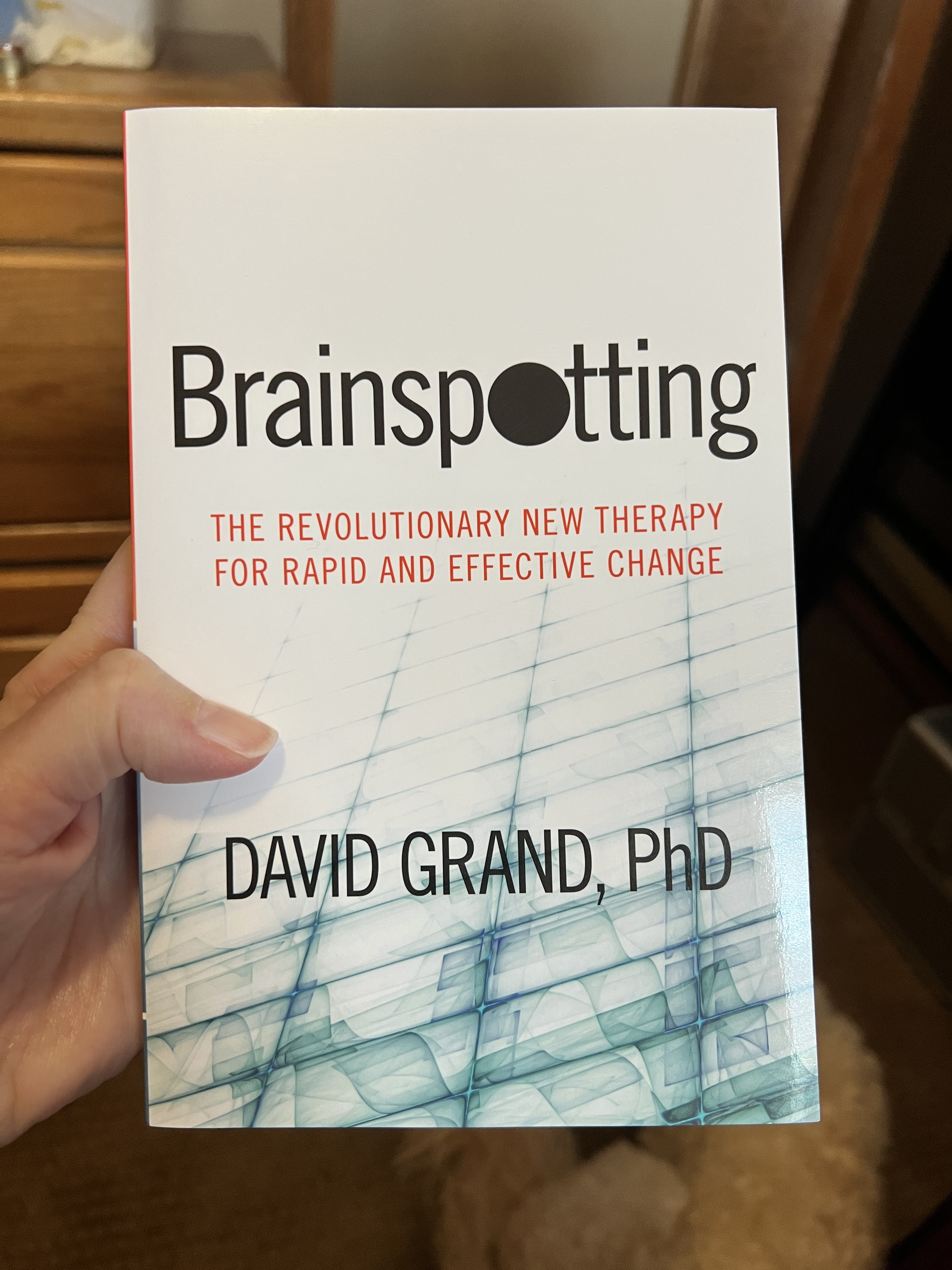
Brainspotting Therapy Now Available

If you are looking for a Brainspotting Therapist (Phase 1) I am now officially trained (as of March 12, 2023). Here is my info sheet on Brainspotting Therapy (BSP):

What is Brainspotting Therapy (BSP)?

Where you look affects how you feel. – Dr. David Grand

Brainspotting Therapy (BSP) was discovered by Dr. David Grand, PhD in 2003. BSP functions as a neurobiological tool to locate, focus, process, and release experiences and symptoms that are typically out of reach of the conscious mind and its cognitive language capacity. Working with the deep brain and the body through its direct access to the autonomic and limbic systems, it taps into and harnesses the body’s innate self-scanning capacity to process and release focused areas which are in a maladaptive homeostasis or “frozen primitive survival modes.”

More simply: BSP is the utilization of fixed eye positions which appear to stimulate neural networks and facilitate both the associative process and the resolution, digestion, or healing of both physiological and psychological trauma. 

Who benefits from BSP?

Children, teens, and adults can benefit from BSP. 

What are the risks of BSP?

The risks are similar to regular talk therapy in that you may feel tired or fatigued after your session and processing of your emotions may spill over into the next day. 

What can be expected during a BSP session?

During a session, the trained therapist might:

  • guide you to think about an issue or problem that causes trouble or concern, such as memories of bad experiences, arguments, physical pain, worries, etc. The therapist will ask a few questions about the problem but does not focus on an in-depth discussion of the issue or trauma. 
  • help you find an eye position (i.e., Brainspot)
  • guide you to be aware of how your body is feeling, e.g., noticing any tension in the head, neck, shoulders, stomach, or other areas. 
  • encourage you to harness the deep, mindful processing of your issue.
  • suggest you be open to what comes up; it could be an image, thought, memory, or sensation in your body
  • suggest you listen to bilateral sounds, a type of music or nature sounds which move back and forth between right and left ears. Bilateral sound causes alternating activation of the right and left-brain hemispheres and activates the parasympathetic, or calming, part of the nervous system. 

Through these and other interventions, the therapist helps your brain reprocess anxiety, trauma, and stress. When completed, like most people, you will likely report feeling calmer and more relaxed.

Tips:

  • During your session, you may or may not be able to (or want to) verbalize your thoughts. It is completely up to you if you want to remain silent or not.  
  • You may become upset, tearful, or some other strong feelings (activation) may emerge. This is completely normal, and it will likely come in waves of intensity.
  • You may feel like closing your eyes at times and that is okay, too. Just remember when you open your eyes to try and come back to the brainspot. 
  • If you feel like you need to move, or shake it off, that is okay, too. 
  • Your therapist may check in with you and will let you know when the Brainspotting session is coming to an end. 
  • Most sessions last about 40 minutes. 
  • Self-Brainspotting is not recommended. 

Note that although ideally it is done face-to-face, BSP can also be done virtually.

For more information on Brainspotting: https://brainspotting.com

or contact myself, Angela G. Gentile, MSW, RSW

xxxxxx

Articles to read for more insight into Brainspotting and how it can help: A Case Study in Brainspotting (2014) – https://sharonkocina.com/case-study-brainspotting/

Research article: Psychotherapeutic Techniques for Distressing Memories: A Comparative Study between EMDR, Brainspotting, and Body Scan Meditation

ResearchGate: Brainspotting – Science topic. Explore the latest publications in Brainspotting, and find Brainspotting experts: https://www.researchgate.net/topic/Brainspotting/publications

How to Journal and the Benefits of Journaling

Photo by Arina Krasnikova on Pexels.com

Journaling is a practice that has been around for centuries and has been used by many individuals as a way to reflect, plan, and process their thoughts and emotions. Writing down your thoughts and experiences in a journal can be a therapeutic and enlightening experience that can lead to a number of benefits. I have been journaling for as long as I can remember. It all started with my tiny daily diaries when I was about 10 years old. I often recommend journaling to my clients as a way to help them process and move forward with issues they are struggling with. In this article, we will explore how to journal and the many benefits that can come from incorporating this practice into your daily routine.

How to Journal

The beauty of journaling is that there is no right or wrong way to do it. Journaling can take many different forms, and it’s up to you to decide what works best for you. Some people prefer to write in a physical notebook or journal, while others prefer to use a digital platform. Our mobile phones have a “Notes” feature that many of us use to record our thoughts, feelings, and other ideas as they come to us. There are also different types of journaling, including daily journaling, gratitude journaling, and goal-setting journaling.

To get started with journaling, simply set aside some time each day to reflect and write down your thoughts. Some people find it helpful to write in the morning as a way to start their day, while others prefer to journal at night as a way to wind down and reflect on the day’s events. You can also choose to write in your journal as often as you like, whether that’s daily, weekly, or on an as-needed basis.

When you sit down to journal, it’s important to be open and honest with yourself. Write down whatever comes to mind, without judgment or criticism. Remember that your journal is a safe space where you can express yourself freely and without fear of judgment. Don’t worry about grammar or spelling. Just let the ideas flow from your head and heart to paper or keyboard. If your writing contains sensitive and private information ensure you can maintain privacy and keep your writing safely stored away from the eyes of others.

The Benefits of Journaling

1.Reduces Stress and Anxiety

One of the biggest benefits of journaling is that it can help to reduce stress and anxiety. By writing down your thoughts and emotions, you can process and release them in a healthy way. This can help to reduce the physical and emotional symptoms of stress and anxiety, such as headaches, fatigue, and mood swings. You may discover something you never realized you were concerned about before providing insight into how you can reduce your feelings of stress and worry. Expressing yourself on paper (or via a digital platform) may help you discover hidden or buried feelings. This gives you an opportunity to release whatever it is that you are holding on to.

2. Improves Mental Health

Journaling has been shown to be an effective tool in improving mental health. Studies have found that journaling can help to improve mood, reduce symptoms of depression, and increase self-awareness. By writing down your thoughts and feelings, you can gain a better understanding of yourself and your emotions. You can get to know yourself in a way you never did before by letting your thoughts flow freely without judgement. Negative self-talk may be expressed outwardly and this gives you an opportunity to challenge these negative thoughts and turn it around.

3. Increases Creativity

Journaling can also be a great way to boost creativity. By giving yourself the space to write freely, without judgment or criticism, you can tap into your inner creativity and come up with new ideas and solutions.

4. Enhances Memory and Learning

Writing down your thoughts and experiences in a journal can also help to enhance your memory and learning. By reflecting on your experiences and writing down what you’ve learned, you can better internalize and remember the information.

5. Helps with Goal-Setting

Journaling can be a helpful tool in goal-setting. By writing down your goals and tracking your progress, you can hold yourself accountable and stay motivated to achieve your goals.

6. Helps Shift a Negative Pessimistic Outlook

Writing down things you are grateful for can help shift a negative thinking pattern. I often recommend a Joy Journal or Gratitude Journal to my clients. Whenever we are feeling trapped in a negative-thinking cycle, it is often helpful to focus on the things we are grateful for. Write down at least three things that bring you joy or things you are grateful for on a daily basis. It could be in the beginning of the day or at the end of the day. The simple things count too! For example, “I am grateful for my pillow.” Or, “I appreciate my partner for all they do.” Within a few days this habit will help improve your negative attitude.

In conclusion, journaling is a powerful tool that can help to improve your mental and emotional well-being. By taking the time to reflect and write down your thoughts and experiences, you can reduce stress and anxiety, improve your mood, boost creativity, enhance memory and learning, and achieve your goals. So why not give journaling a try and see how it can benefit you?

Angela G. Gentile, MSW, RSW

Written with the help of ChatGPT

More information on How to Start a Journaling Practice from Psychology Today.

Gut Issues? Try FODZYME – Because Food Shouldn’t Hurt

FODZYME

Irritable bowel syndrome?

Non-celiac gluten sensitive?

GOS intolerant (some nuts, beans, root vegetables)?

Trouble with garlic and onions?

Having other digestive issues?

Let’s talk FODZYME.

I am trying this new enzyme formula to help with my digestive issues. It’s called FODZYME. I just sprinkle the tasteless odourless powder (enzymes) on my food that I know causes gut and gastro issues. So far it has been helping me enjoy food without pain and tummy troubles. If you are like me, you will be looking for a solution!

I am a FODZYME affiliate which means if you use my discount code you can get 10% off. Let me know if you are interested in learning more. I have patient handouts I can share. Try the “Assessment” tool to see if FODZYME may be right for you.

>>>> https://www.fodzyme.com/angelaggentile

Discount code: ANGELAGGENTILE

Angela G. Gentile, MSW, RSW

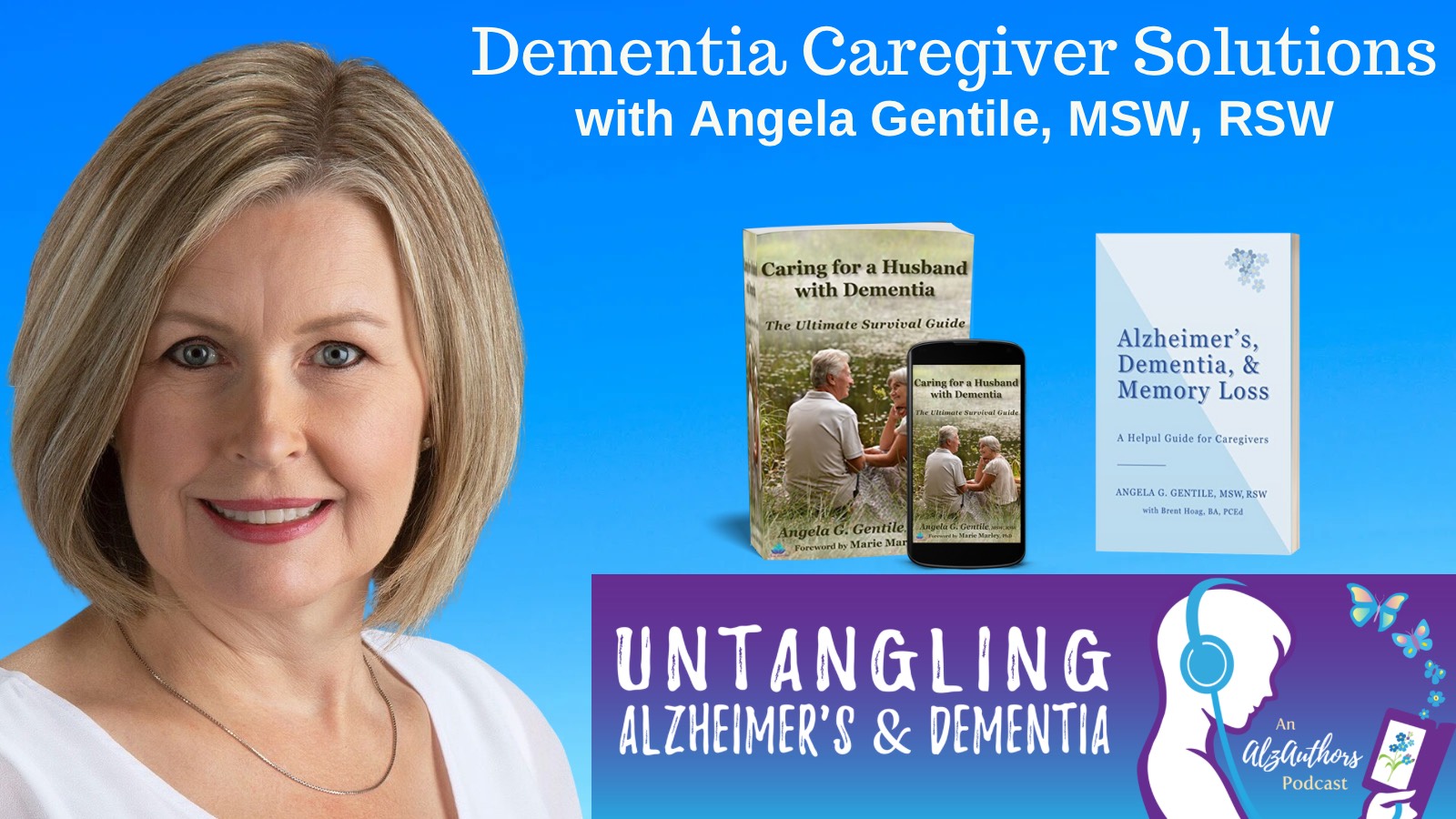
Untangling Alzheimer’s and Dementia: A Podcast Interview Regarding My New Book

Marianne Sciucco of AlzAuthors interviewed me and put together a podcast for your listening pleasure. Check it out, here.

She asks me lots of great questions about myself and my new book, “Alzheimer’s, Dementia, & Memory Loss: A Helpful Guide for Caregivers.” Available now on Amazon in paperback and ebook for Kindle.

Angela G. Gentile, MSW, RSW