The Ten Dimensions of Wellness from an Aging Well Perspective (Podcast)

Have a listen to my interview with Dr. Andrea Wilkinson on the BrainShape Podcast, “Flourish or Fade with Angela Gentile.” Episode #121.

It was fun being a guest for the second time with Dr. Andrea. My book, Flourish or Fade: A guide to total well-being for women at midlife and beyond is available on Amazon. For more information on Dr. Andrea, please check out her website, https://www.brainshape.ca/ I hope you enjoy the interview!

Angela G. Gentile, MSW, RSW

Aging in Place is Preferred by Nearly 80% of Adults Aged 50+

Guest post by Carolina Jimenez.

Aging in place is the process of staying in your own home as you grow older instead of moving to an outside facility. To properly age in place, you should create a budget, discuss options with your family, connect with home health services and identify necessary home modification projects. 

Nearly 80 percent of adults ages 50 and older want to remain in their current homes as they age, according to American Association of Retired People (AARP). Aging in place is often more affordable than transitioning to institutionalized care and allows someone to retain independence in a comfortable, familiar setting. However, aging in place isn’t right for everyone. It requires careful planning, research and coordination. 

What Is Aging in Place? 

Aging in place occurs when someone makes a conscious decision to grow older in their current residence instead of moving to an assisted living or long-term care facility. Aging in place works best for people who create a plan, modify their home and establish a supportive network of family and home care services. Affordable, accessible and suitable housing options also make it easier for older adults to age in place and remain in their community for years to come. 

The choice to either age in place or transition to assisted care is a complex and personal decision influenced by emotional, physical and financial factors. 

Is Aging in Place Right for You? 

Staying in a familiar setting is a priority for many seniors. But aging in place isn’t always as easy as it sounds. Maintaining independence can become increasingly difficult as age increases and health declines. 

Everyone’s situation is different. It’s important to evaluate and be realistic about your own circumstances. 

For more information on Aging in Place and the RetireGuide website> www.retireguide.com 

What is a Bloomer?

A Bloomer is a woman who…

♥ has come to full maturity

♥ embraces her age (age is just a number)

♥ looks after herself

♥ loves herself

♥ is self-compassionate

♥ encourages and supports other women

♥ accepts herself

♥ is true to herself

♥ strives to be her best

♥ makes the rest of her life the best of her life

♥ is resilient — bounces back

♥ nurtures herself

♥ can say no — sets limits

A Bloomer lifestyle is one which is

♦ balanced — work, play, rest/body, mind, soul

♦ active

♦ nutritionally sound

♦ fun — laugh, love, live, dance

To Bloom is to strive towards greatness. To Bloom is to flourish.

Angela G. Gentile, MSW, RSW (Specialization in Aging)

Author of Flourish or Fade: A guide to total well-being for women at midlife and beyond

Flourish or Fade: A guide to total well-being for women at midlife and beyond – Book Now Available

Angela Gentile’s newest book is now available for purchase from Amazon.

>>>Buy the Paperback on Amazon ($16.99 USD) 

>>>Buy the ebook (Kindle) on Amazon ($5.99 USD)

TAKE CHARGE OF THE WAY YOU AGE

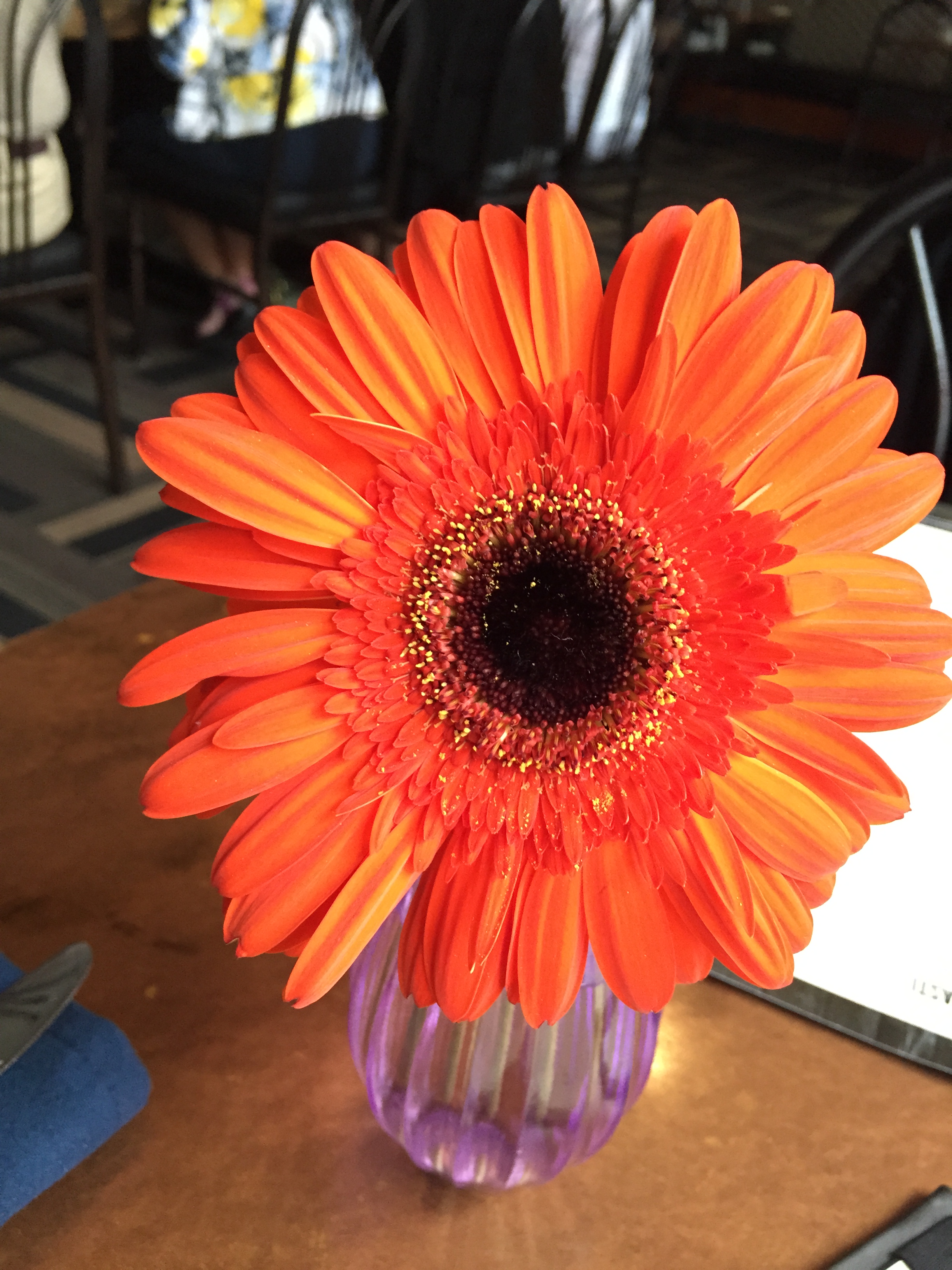
Flourish or Fade: A guide to total well-being for women at midlife and beyond provides you with the information and tools needed to improve life satisfaction. The Flower of Wellness Method will help you devise a plan to balance your body, mind, and soul. 

You will learn how to enhance your overall well-being by exploring the ten dimensions of wellness: 

Physical, Emotional, Brain, Social, Sexual, Spiritual, Environmental, Recreational, Financial, and Occupational.

This anti-ageist, realistic, and optimistic approach to life in the middle years and beyond will provide you with inspiration and tips that will have you feeling confident, happy, and satisfied with whatever may come your way. 

The Flower of Wellness Method is a fresh and contemporary approach to finding balance.

Do you want to flourish or fade in the later years? It’s your choice. 

Angela G. Gentile, M.S.W., R.S.W., is a registered clinical social worker/specialist in aging with more than 25 years of experience working with older adults and their families. She was born and raised in Ontario and now lives in Winnipeg, Manitoba.

www.AngelaGGentile.com

Addicted to Anti-Anxiety or “Nerve” Pills — Benzodiazepine use disorder and what to do about it

woman-3351794_1920

Image by Pete Linforth from Pixabay

Many people, especially women, develop feelings of anxiety and worry. Some call it “bad nerves.” This predisposition to feeling anxious can cause problems with everyday living, coping, and sleeping. I have assessed and interviewed many older people with a range of problems with anxiety. Feeling anxious is a completely normal reaction to stress or a situation where you may feel fearful. However, being in a continuous state of feeling afraid can cause problems both mentally and physically. Some say they feel like they are “trembling inside.”

Anti-anxiety medications (also known as “nerve pills”) are used by many people. These pills come from the family of “benzodiazepines.” Some of the commonly prescribed anxiolytics in Canada or the United States include (but not limited to):

  • Clonazepam (Rivotril)
  • Alprazolam (Xanax)
  • Lorazepam (Ativan)
  • Diazepam (Valium)

A commonly prescribed non-benzodiazepine that acts like one is Zopiclone (eszopiclone in the USA). It is commonly used as a “sleeping pill.”

Generally, benzodiazepines end in “pam” or “lam.” Use of these medications can initially improve symptoms by offering a sedating effect, however, they can also be addictive. Side effects of these drugs include increasing the risk of cognitive impairment, confusion, delirium, falls, fractures, drowsiness, and motor vehical accidents. They are not recommended for use by older adults. In fact, older people are recommended to gradually reduce their dosage (a slow and steady decrease is recommended over a sudden discontinuance due to withdrawal symptoms). Always talk to a doctor about any changes to your medication. As the dose is gradually reduced and preferably stopped, it is important to identify and optimize alternatives to managing any underlying issues. These alternatives are preferably not other medicines.

Sometimes these medications are used on an “as needed” basis. For example, if you are afraid of flying, and you need to go on an airplane, you can take one of these medications (prescribed by your doctor) to use in specific situations. Or, if you have claustrophobia and you need to go for a scan such as an MRI, taking this medication may make it more bearable.

I have also seen where these medications are prescribed for help with sleep. People who have an anxiety disorder may be prescribed this classification of medications to see if it helps reduce anxiety or panic attacks. In older people, antidepressants are the preferred class of medications to help with anxiety.

Some other key tips to remember:

  • Avoid taking benzodiazepines with opioids or alcohol.
  • These medications are more often prescribed to women (Almost 1 in 5 Canadian women report to have used in the past year).
  • Almost 1 in 10 Canadians in Quebec have been reported to have an addiction to benzodiazepines.
  • If a benzodiazepine addiction is present, consider there may also be other substance use disorders or behaviours present (e.g, alcohol, opioids, marijuana, gambling).
  • If you are older, it’s best not to start taking benzodiazepines.
  • If the addiction is getting worse, an admission to a treatment facility may be necessary.

If you are finding yourself feeling “addicted” or “dependent” on these medications (or other substances or behaviours), you are “craving” these drugs, or you are needing to increase your dosage, you may want to see your doctor to discuss alternatives. Reducing the risk of harm is key.

For more details, The Canadian Coalition for Seniors Mental Health has published the Canadian Guidelines on Benzodiazepine Receptor Agonist Use Disorder Among Older Adults (2019) and is found online: https://ccsmh.ca/wp-content/uploads/2019/11/Benzodiazepine_Receptor_Agonist_Use_Disorder_ENG.pdf

Angela G. Gentile, MSW, RSW

OK Boomer – A passing fad?

fullsizeoutput_46e

Photo source: https://dailyillini.com/opinions/2019/12/02/ok-boomer-is-an-ok-trend/

The end of the decade brought forward a new catchphrase: “OK Boomer.” It’s meant to be humourous, but its real meaning is dismissive and insulting to the older generation. It is something a younger person would say to an older person in a sarcastic and mean way. It pits the younger generation against the older generation. This term exploded on the social media video clip site called TikTok and is now sweeping the nation.

I have been reading up on the term, and it seems that there continues to be quite a divide between generations. The older generation is known as the Baby Boomers (and those older than the Boomers are the Silent Generation). The younger generation is known as the Millennials, or Generation Y or Z.

In between the Boomers and the Millennials is Generation X. That’s my generation. Those who are Gen Xers now are around 40–54-ish. Generation X is often forgotten about. It seems like we are invisible. Not young, but not “old.” It is kind of like the middle-child that often gets forgotten.

Each generation tends to point fingers at the next. I say we need to embrace each generation. Learn from what each has to offer.  Boomers are those born between 1946 and 1964. They are aged 55-73.

In order to move forward in a united front, we have to stop saying “OK Boomer,” and instead say, “I hear you. I see you. Let’s talk.” We have so much to learn from each other. Gen Xers now approaching that magical 55+ age. That age when we get a senior’s discount. We are almost there. I don’t want to be dismissed with “OK Gen Xer.” Just as much as the younger person doesn’t want to be dismissed with “OK Kid.”

So, what do you think of the term, “OK Boomer”? Is it just a recycled and new way of dismissing the older generation? Ageism rearing its head? Or is it nothing new and harmless?

I hope it’s just a passing fad.


Angela G. Gentile, MSW, RSW

http://www.AngelaGGentile.com

Low-Risk Alcohol Usage Guidelines for Older Adults – Know your limits

depth of field photography of woman in pastel color sleeveless shirt and white sunhat

Photo by bruce mars on Pexels.com

Most adults enjoy drinking alcohol on occasion. Sometimes, though, this occasional drink turns into a daily habit. One drink turns into two or more. If a person is not mindful, this habit could turn into an addiction. Addiction is also known as dependency or substance use disorder.

People can become addicted to not only alcohol but drugs, including prescription drugs (such as benzodiazepines and opiates). For example, nicotine, the drug found in cigarettes, is very addictive. Addictive behaviour can also be problematic, as in gambling, sex, or online gaming.

Addiction is a complex condition, a brain disease that is manifested by compulsive substance use despite harmful consequences. People with addiction (severe substance use disorder) have an intense focus on using a certain substance(s), such as alcohol or drugs, to the point that it takes over their life. They keep using alcohol or a drug even when they know it will cause problems. Yet a number of effective treatments are available and people can recover from addiction and lead normal, productive lives. – American Psychiatric Association, retrieved 03 Dec 2019.

For a number of reasons, it is essential to keep in mind that as we age, it is recommended we reduce our consumption of alcohol. For adults aged 65 and older, it is important to be aware of the low-risk guidelines.

Canada’s Low-Risk Guidelines (DrinkSense for Seniors) which is provided by the “Canadian Centre on Substance Use and Addiction”, states that limits for adults (not older adults) who drink alcohol should be 10 drinks a week for women with no more than two per day, and 15 drinks a week for men with no more than three drinks a day on most days. There is no specific limit for older adults, but one of their “Safer Drinking Tips” includes the advice of “Always consider your age, body weight, and health problems that might suggest lower limits.”

standard-drink-picture_0

Standard Drink Portions:

      • Beer – 341 ml (12 oz.) of 5% alcohol content
      • Wine – 142 ml (5 oz.) of 12% alcohol content
      • Cider/Cooler – 341 m. (12 oz.) 5% alcohol content
      • Distilled alcohol/80 proof liquor (rye, gin, rum, vodka, etc.) – 43 ml (1.5 oz.) 40% alcohol content

Note: Not all wines are created equal. Some wines start at 5% alcohol content, some go as high as 18%!

I attended an “Aging and Addictions” course in November 2019 which was held by the Addictions Foundation of Manitoba, and they supported the drafted recommendations entitled “Prevention: Low-Risk Drinking Guidelines” for those 65 and older (noted below).

Low-Risk Drinking Limits (65+)

    • Women: No more than 1 standard drink per day, with no more than 5 drinks in total per week.
    • Men: No more than 1-2 standard drinks per day, with no more than 7 per week in total.
    • Non-drinking days are recommended every week.

Source: Canadian Coalition for Seniors’ Health. Canadian Guidelines for Older Adults. Prevention, Assessment, and Treatment of Alcohol Use Disorder, 2019.

These drafted guidelines are more in line with what I would recommend. I have seen what alcohol dependence can do to people and it is heartbreaking. And as noted in a previous post here on my website, to help preserve cognitive health, experts recommend no more than 2-4 drinks per week (see my Memory Rescue book review.)

For those who have a drinking problem, there is often stigma and shame attached. Many people can’t abstain or reduce their drinking behaviour on their own (harm reduction) and need help. If you or someone you know has a drinking problem, addiction or dependence, please contact the Addictions Helpline in your area.

> Addictions Helpline Canada 

> Addictions Helpline USA

AA 12-Step (https://www.aa.org/) or Smart Recovery (https://www.smartrecovery.org/) are peer support options to consider as well.

If you are considering getting on top of your drinking problem and need someone to talk to, please contact me and I can assist you in finding the help you need.

Angela G. Gentile, MSW, RSW

References:

https://www.psychiatry.org/patients-families/addiction/what-is-addiction

https://amho.ca/wp-content/uploads/Mon-300pm-IP1-3a-Older-Adults-with-Alcohol-Related-Problems-Best-Practice-Guidelines.pdf

https://www.canada.ca/en/health-canada/services/substance-use/get-help/get-help-problematic-substance-use.html

https://www.samhsa.gov/find-help/national-helpline

https://www.aa.org/

https://www.smartrecovery.org/

https://www.drinksenseab.ca/drinksense-tips/seniors/

https://ccsmh.ca/alcohol-guidelines/

“A Standard Drink” image source: https://studentaffairs.lehigh.edu/content/what-standard-drink

Memory Rescue by Dr. Daniel Amen (2017) – Book Review

img01


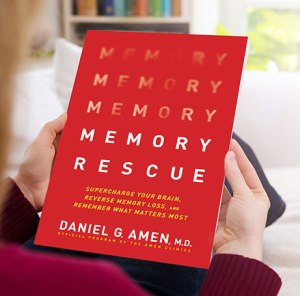
I am a geriatric mental health clinician, and frequently I am asked: “How can I improve my memory skills?” The usual recommendations from doctors are, “Exercise and learn new things.” I have been on a quest to find some other tips and tools that people can use to help improve or maintain their brain and memory functions as they age. This need has led me to try to find the perfect book to recommend to those who are looking for more information. “Memory Rescue” has some useful information but it’s not the book I was looking for.

I purchased a copy (Amazon) of psychiatrist Dr. Amen’s book “Memory Rescue: Supercharge your brain, reverse memory loss, and remember what matters most” which has a second subtitle, “The official program of the Amen Clinics.” The Amen Clinics are found all over the USA, and the services and programs offered there are to help people with various mental health and brain health concerns (such as memory loss, ADD, and traumatic brain injury).

This book starts out with 20 testimonials and reviews which is very impressive until I realized they were all from men. The male-dominated view about memory problems and the Amen Clinic program was very strong. The only female presence I felt was from Dr. Amen’s wife, Tana, which was very sparse. There were also a handful of case studies that were about females. As a woman reader and professional, I wish there had been a more balanced perspective.

The overall takeaway of this book, for me, was that this was a big advertisement for his Memory Rescue Program that he offers through his Amen Clinics and the MyBrainFitLife.com website. There were case examples of how his clinics help people, and there were lots of “SPECT” (single photon emission computed tomography) scan photos to “prove” it. Even after looking at numerous SPECT images, I still wasn’t 100% sure what I was looking for. I felt these images were a bit overkill.

Here in Canada, we don’t have access to Amen Clinics, and SPECT scans are reserved for those exceptional cases (which I am still not sure what those cases are.) We tend to favour CT, MRI and PET scans.

Ultimately I was looking for concrete tips on “how to improve memory skills” and “how to improve memory problems.” Amen’s program is intended to enhance your mood and memory skills using the BRIGHT MINDS risk factor approach, with each letter standing for a component of the “ultimate memory formula.” Blood Flow, Retirement and Aging, Inflammation, Genetics, Head Trauma, Toxins, Mental Health, Immunity/Infection Issues, Neurohormone Deficiencies, Diabesity, and Sleep Issues. There was quite a lot of repetition throughout the book, with the main recommendations being: Exercise, Nutrition, Nutraceuticals (and supplements).

On pages 28-30, you can take the “Amen Clinics’ Early Warning Signs Questionnaire.” Your score will provide you with a risk of “significant memory issues,” from low to high. Amen states, if you are at moderate to high risk, it is important to get a thorough medical evaluation.

This book brought up some new terms and concerns. Those including my need for nutraceuticals (which Amen sells on his BrainMD website), getting tested for the APOE gene (related to Alzheimer’s disease), an integrative medicine doctor (but doesn’t say where I can find one). He was heavy on the recommendation of Gingko Biloba (a natural supplement that has limited research evidence to help prevent memory problems, see GEM study). He was anti-marijuana use and wasn’t that clear on what the recommendation was for alcohol use (was it 2-4 servings a week or only 2?).  He suggests coconut oil is good for our brains, but I have read that it is not good for our bodies. There is a lot of reference to the Memory Rescue Diet, but it is not discussed until chapter 16. There are a lot of references to the Bible, which surprised me. He also suggested that “praying to release your worries and to rejoice over the good things around you can help reduce your risk of mental health problems” (p. 337).

Ultimately, as I mentioned earlier, I was looking for specific tips and techniques to help people improve their memory skills. The most helpful part of the book in this regard is found in Chapter 17 “Sharpen Your Memory––Brain Workouts for a Richer Life.” He provides a lot of suggestions of what activities can help strengthen the different areas of the brain such as playing Scrabble, completing crossword puzzles, and learning to play a new musical instrument. He suggests engaging in “map reading” without a GPS device. He’s a big fan of table tennis and other coordination activities, such as dancing, yoga, and tai chi. He says we should travel to new and interesting places and develop relationships with smart people. Music, especially classical, can enhance memory and cognitive function. Surprisingly, I didn’t find the instruction to “pay attention” to what we are doing, which I believe is an essential tip for being able to remember things in the first place. He doesn’t speak to word-finding difficulties, either, which is one thing a lot of older folks are initially concerned about.

The book is well-referenced, and he claims to walk the talk. The index is sub-par, and it could have been enhanced to make finding things a lot easier to find. Some of the reviews online of Amen Clinics state it is a very costly program. There is no mention of costs, but there is mention that the process of improving cognition or mental health often takes months. It’s assumed the program costs thousands of dollars. The MyBrainFitLife.com online program also has a cost, a yearly fee of USD 99. There are some free Brain Assessments (which I completed) which can help one decide on the level of risk one is at. If someone already has memory impairment, a caregiver or loved one will need to read this book as it tends to have some jargon and technical language, and there is lots to read and learn about.

I would recommend this book to anyone who is interested in the Amen Clinic Memory Rescue Program. For specific information on brain health and tips for improving memory skills, Chapter 17 is where you want to start. If you believe in God or a higher power, this will also confirm your faith in how prayer and scripture can support your mental health. The book is somewhat repetitive, however, it drives home the main message––that having a healthy body means better chances for a healthy brain.

I’ll leave you with this: Amen provides hope––“Yet new research suggests that a ‘memory rescue’ program, like the one presented in this book, can dramatically improve memory and can prevent and sometimes even reverse some forms of dementia. Given how most doctors approach this issue, however, you cannot count on traditional medicine to rescue your memory.” (p. 4).

Angela G. Gentile, MSW, RSW (Specialist in Aging)


The Mighty Ant: An Anthology of Short Stories for Seniors

41KbQpD0l5L._SX326_BO1,204,203,200_

I am a contributor to a collection of short stories, called The Mighty Ant, edited by Jessica Bryan. This collection will delight anyone who enjoys reading or being read to.

My two stories include “You are Never Too Old” and “For the Love of Flowers.” These are my first attempts at short-story writing.

Here’s me reading my short story called “For the Love of Flowers.”

The book is in large print and is a fundraiser for the North Carolina Chatham County Council on Aging.

Get your own copy and enjoy reading and sharing with others! The stories are also great conversation starters!

Happy reading!

Angela G. Gentile


purple-swirl-separator-hi

_DSC6188 4 x 6


Angela G. Gentile, B.S.W., M.S.W., is a registered social worker and is employed as a Geriatric Mental Health Clinician in Winnipeg, Manitoba. She is married to Agapito and has two adult children, Lorenzo and Simone. Angela enjoys writing, reading, and travelling and considers herself a realistic optimist. For more info: www.AngelaGGentile.com

Supports and Services for Older Adults in Gravenhurst, Ontario

untitled-2

Image source: Muskoka Pest Control


I have aging relatives in Gravenhurst, Ontario. I went there for a visit in August 2016. While there, I was looking into the services and resources available to older adults. What I found, or should I say didn’t find, was quite alarming.

The Aging in Place Strategy for Canada is great in theory, but providing resources and services to meet the needs of the aging population is proving to be quite the challenge.

Gravenhurst is a small, pretty lake town located just 90 minutes north of Toronto. It has a population of 12,179 according to the Gravenhurst Community Profile 2013. A whopping 23% of the residents are 65 and older (compared to 14.6% in all of Ontario). This community is growing older, and the needs of this aging population are also growing.

In the summer the population swells due to the number of cottagers who escape the summer heat to their cool lakeside getaways. Some of the cottages on Lake Muskoka are huge! I took a tour with William of Big 3 Tours and he showed us some cottages that are 1-5 million dollar price range. Celebrities such as Martin Short own cottages in the area.

In terms of at risk seniors and meeting their needs, it seems like Gravenhurst is lacking in the basics. I was told to call “211” to speak to a nurse about health care resources. The lady on the line was very helpful. I ended up talking to a few very nice and well-meaning individuals and sometimes my conversations went full-circle without any definite answers. It seems like there is no one place for all the information I was looking for which proved to be very frustrating. I spent a few hours on the phone but came up with some answers and resources which I’ll share here.


Meal Delivery

There are no hot Meals on Wheels available in Gravenhurst due to the lack of available volunteers. There are services available in Bracebridge, a neighbouring community which is a 15-minute drive north. In Gravenhurst, the only option recommended to me is a company called Apetito.ca. They will deliver frozen meals once monthly. All of the information is online, so it can be difficult for those who do not have access to a computer, or do not know how to use a computer. It appears to me that the only meals on wheels available to older adults are the fast food restaurants such as McDonald’s and Tim Hortons which also conveniently have a drive-thru. I am also assuming that the local grocery stores have ready prepared meals, which may be a better option. For those with special diets (cardiac, diabetic, gluten free), this can pose a challenge.


Housekeeping and Yard Work (Home Support)
homesupport

Image source: Closing the Gap Healthcare

In terms of housekeeping, the Ontario government does not offer any services. In Winnipeg, to those who cannot afford to hire privately. In Gravenhurst, I was given a few different private companies to follow up with:

Seniors for Seniors – 1-705-645-0199 (Tom)

Closing the Gap Healthcare – 1-877-560-0202

Happy at Home Support Services – 1-705-703-9980 (light housekeeping and yard work)

Bayshore Healthcare – 1-705-722-8993 (Barrie office)

Red Cross Community Support Services – 1-705-721-3313

Busy Lizzie Cleaning Services – 1-877-207-8718 or 1-705-687-6183


Transportation

van1

Image source: Muskoka Seniors

There are two taxi companies in Gravenhurst – OK Taxi (705-684-8294) and Gravenhurst Taxi (705-687-2246). I’ve been told that Red Cross will provide transportation to the nearest hospital  if needed (South Muskoka Memorial Hospital), which is in Bracebridge, at 75 Ann Street. There are two bus companies that serve Gravenhurst – Ontario Northland for service north or south, and the Corridor 11 bus which can take you directly to the front door of the hospital in Bracebridge for $7.00. OK Taxi will pick you up from the hospital and bring you back to your home in Gravenhurst for $25.00. (Prices from 2017 and subject to change without notice.)

Aging at Home Vans or Registered Volunteers are offered through Muskoka Seniors.


Housing for Seniors

In terms of seniors’ housing, there are a few options. There are “retirement residences” and a “long term care” facility.

The Manor at Gravenhurst (operated by Lifetimes Living Inc.) is a quaint little 40-bed retirement residence I toured in August 2016. It was originally a hotel, and there are studio apartments with attached washrooms, studio apartments with shared washrooms, and double rooms (two studios with an attached washroom). All meals, medications, housekeeping, laundry, recreation and parking are included in the rent which ranges from $1,900/month to $4,000/month. Residents are free to come and go as they please and the ages range from 60 to 100. 1-705-687-3356.

Granite Ridge Retirement Residence Assisted Care – 1-705-687-0007

Muskoka Shores Care Community – Transitions operated by Sienna Senior Living (formerly Leisure World) – 1-705-687-3444

The Pines Long-Term Care Home – 160 beds, located in Bracebridge.

Affordable Housing Programs

Social Housing (Low Income Housing) 


Other Important Resources

Your doctor. Physicians have access to and knowledge of resources that I may have missed here.

North Simcoe Muskoka Community Care Access Centre  (CCAC)- Accessing Home Care services. Office located in Huntsville, Ontario. 1-888-721-2222 or 1-705-721-8010

Seniors Assessment and Support Outreach Team (SASOT) – Operated out of the hospital in Bracebridge. I spoke to a very nice person there, and she says they “dig deeper” and all you need to do is get the doctor to make a referral to their team. 1-705-645-4400. ext. 3505.

Muskoka Seniors – Helping Seniors Live at Home. 1-705-789-6676.

Assisted Living Services for High Risk Seniors – Currently a six-month wait list. Services provided by The Friends (1-705-697-5100, ext. 22). It is a not-for-profit organization. There is also an Adult Day Program available for socialization and a meal. It costs $15 a day and $2 for transportation one way. There is a wait list of about six months. The wait list for homemaking is five years. They do not do yard work. For information on Assisted Living Services for High Risk Seniors, go through the CCAC case manager or call 1-888-721-2222 or 1-705-721-8010.

Long-Term Care Homes in North Simcoe Muskoka – 9-page document with information on long-term care homes.

North Simcoe Muskoka Healthline – Online listing of health services in the area.

The District of MuskokaSeniors Wellness Outreach Coordinator, 1-705-645-2412, ext. 444.


seniorscentre

Image source: Seniors Centre – Town of Gravenhurst


Seniors Centre – The Town of Gravenhurst has an active seniors’ centre and there is plenty of socialization and things to do for those wanting to remain active and involved.


Working Towards Age-Friendly Solutions

As I was doing my research, I was happy to find out that the District of Muskoka is working on a Master Aging Plan with assistance from an Age-Friendly Community grant received from the Ontario government. Here is a link for more information on how you can get involved: www.muskoka.on.ca//AgeFriendlyCommunities. I hope that they will be able to fill in the gaps soon to enable the residents of Gravenhurst remain in their homes as long as possible.

Overall, I would say that it is a very complex and frustrating experience to get information on services for older adults in need in Gravenhurst. The Seniors Wellness Outreach Coordinator at The District of Muskoka was most helpful. Those who have limitations or who have limited family support will especially find it difficult to get the services they require. If you have any further information to add to this list, please let me know in the comments below.

If you are planning a trip to Gravenhurst, check out the travel guide on wikivoyage for more information. For current events, check out the Muskoka Region News.


purple-swirl-separator-hi


Angela G. Gentile, M.S.W., R.S.W. is a clinical social worker and author of the book, “Caring for a Husband with Dementia: The Ultimate Survival Guide” and the “Dementia Caregiver Solutions” app for iPhone and iPad. She lives in Winnipeg, Manitoba with her husband and two adult children. For more information, visit: www.AngelaGGentile.com