Private Facebook caregiver support group launched

Image courtesy of Salvatore Vuono at FreeDigitalPhotos.net

Image courtesy of Salvatore Vuono at FreeDigitalPhotos.net

Caregivers often find themselves feeling isolated, and trying to do everything on their own. This can lead to burnout. Education and support can often alleviate some of the stress they feel. Having a good friend or two and supportive family members are always the first choice, however, sometimes it is not enough. A support group can be a great addition to the caregiver’s resources.

Connecting with someone who understands what you are dealing with can do wonders for your mental well-being. Support groups can offer so much. However, sometimes it is difficult for caregivers to leave their homes, therefore online support groups are a viable option for many.

Here is what  the Mayo Clinic (www.mayoclinic.org) has to say:

Benefits of support groups

Regardless of format, in a support group, you’ll find people with problems similar to yours. Members of a support group typically share their personal experiences and offer one another emotional comfort and moral support. They may also offer practical advice and tips to help you cope with your situation.

Benefits of participating in support groups may include:

  • Feeling less lonely, isolated or judged
  • Gaining a sense of empowerment and control
  • Improving your coping skills and sense of adjustment
  • Talking openly and honestly about your feelings
  • Reducing distress, depression or anxiety
  • Developing a clearer understanding of what to expect with your situation
  • Getting practical advice or information about treatment options
  • Comparing notes about resources, such as doctors and alternative options

Please join our private, closed group, Dementia Caregiver Solutions Support Group on Facebook. It is moderated by a clinical social worker, and a dementia consultant. All are welcome.

Sincerely,

Angela G. Gentile

purple-swirl-separator-hi

Angela G. Gentile, M.S.W., R.S.W. is a Specialist in Aging who has more than 25 years of experience working with older adults and their families in a variety of capacities. She has worked in private practice, long-term care, home care, health care and non-profit organizations. She is a realistic optimist who lives in Winnipeg, Manitoba with her husband and two children.


Dementia Caregiver Solutions App Launched


DCS Logo Rounded (1)


The new Dementia Caregiver Solutions app is now available on the iTunes App Store. The app has been optimized for iPhone and iPad on iOS 8.

Check out the App page for more information.

purple-swirl-separator-hi

Angela G. Gentile, M.S.W., R.S.W. is a Specialist in Aging who has more than 25 years of experience working with older adults and their families in a variety of capacities. She has worked in private practice, long-term care, home care, health care and non-profit organizations. She is a realistic optimist who lives in Winnipeg, Manitoba with her husband and two children.


Don’t you remember me?

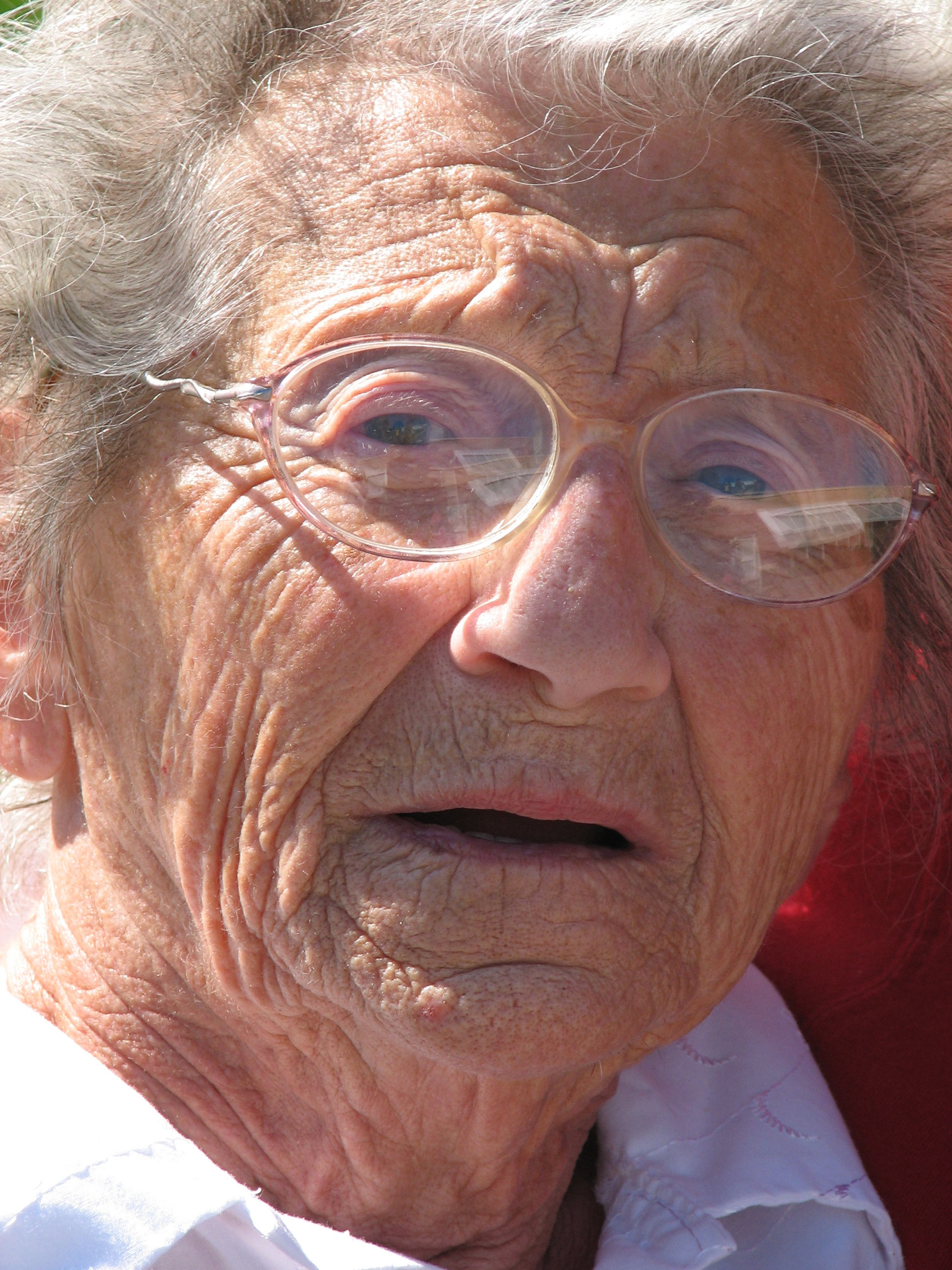
Image source: “Oma” from freeimages.com

Image source: “Oma” from freeimages.com

It can be upsetting and frustrating when a loved one with dementia forgets who his/her family members are. Sometimes it’s a case of not being able to recognize faces. Many times I have heard family members say, “He thinks I am his sister,” or “Mom thinks I am her brother.” It can cause distress because it is another reminder that the relationship they once had is eroding away. It is another sign they are losing the mother/father/spouse/grandparent they once knew.

→ For tips on how to manage the difficult behaviours of dementia, check out the Dementia Caregiver Solutions app.

Get into their world.

     One way to look at it is to try to get into the world of the person with dementia. What period of life is s/he in? Is he young and still working? Maybe she is still living in her own home with four young children. When she looks at you, she doesn’t see her 48-year-old daughter. She sees someone she recognizes, but you are “out of context.” It is like seeing into the future. From her perspective, her nine-year-old daughter is in the other room or at school, and this 48-year-old version of her is standing in front of her. She sees a familiar person, but is not sure who.

Put yourself into context.

     Consider this – How many times have you gone to the supermarket or to another public place and bumped into someone you recognize. You make eye contact, but you can’t figure out how you know this person. He is familiar to you. He smiles and says, “Hello!” and addresses you by name. He asks how you are doing. You still can’t figure out who this man is. You smile back, but stay silent because you don’t want to appear silly. Finally, he says, “I am Bill, we met at the last staff meeting. I am the new guy,” as he chuckles. You are relieved because now you can place him. He was out of context. You didn’t expect to see someone from work at the supermarket. When he explained how you knew each other, it helped place him into context.

Clarify if that’s what is needed.

     That is my take on how to understand and respond to someone with dementia and/or memory problems. S/he may need a little reminder of who you are and how you fit into her/his life. Putting everything into context can help relieve the person’s anxieties and insecurities. Even if she thinks you’re her sister, that’s okay, too. If she asks for clarification or she is not sure who you are, gently remind her and put yourself into “context.” S/he will most likely respond favourably.

Avoid using a disapproving tone.

     It’s a natural reaction to want to be angry or disappointed with the person. At times you may have responded in a disapproving tone and said something like, “I’m not your sister! I’m your wife.” This can result in making your husband feel more confused and ashamed.

Respond in a calm and reassuring manner.

     The next time your loved one with dementia mixes you up with another family member or is not sure who you are, consider responding with kindness, patience and understanding. Help put yourself into context. That may help her/him remember who you are.

NOTE: The medical term for the inability to process sensory information is called agnosia. There are different forms, including prosopagnosia, the inability to recognize faces. Check out Wikipedia if you want to learn more about agnosia, or watch this video on YouTube called Prosopagnosia.

 purple-swirl-separator-hi

Angela G. Gentile, M.S.W., R.S.W. is a Specialist in Aging who has more than 25 years of experience working with older adults and their families in a variety of capacities. She has worked in private practice, long-term care, home care, health care and non-profit organizations. She is a realistic optimist who lives in Winnipeg, Manitoba with her husband and two children.

Get a Sneak Peek at the Book and App

Please check out three new pages on my website. You will find a list of chapters found in my book, Caring for a Husband with Dementia: The Ultimate Survival Guide and more information on the app, Dementia Caregiver Solutions. Both will be available in early 2015. I’ve also included a list of internet links where I can found on the internet. Just click on the highlighted topics below or go to the menu bar on the Home page.

Thanks for following!

Warm regards,

Angela G. Gentile

 purple-swirl-separator-hi

Angela G. Gentile, M.S.W., R.S.W. is a Specialist in Aging who has more than 25 years of experience working with older adults and their families in a variety of capacities. She has worked in private practice, long-term care, home care, health care and non-profit organizations. She is a realistic optimist who lives in Winnipeg, Manitoba with her husband and two children.

New Website Launched for Caregiver Book and App

Hello Dear Reader.

I have launched a new personal website that will highlight my upcoming book and app for caregivers of those diagnosed with dementia. The book and companion app will provide invaluable tools and resources to help caregivers. Expected to be released in early 2015.

Please sign up and FOLLOW to receive occasional emails on the book and app and when they will be made available.

Warm regards,

Angela G. Gentile

 purple-swirl-separator-hi

Angela G. Gentile, M.S.W., R.S.W. is a Specialist in Aging who has more than 25 years of experience working with older adults and their families in a variety of capacities. She has worked in private practice, long-term care, home care, health care and non-profit organizations. She is a realistic optimist who lives in Winnipeg, Manitoba with her husband and two children.