We Must Be Doing Something Right: The Rate of Newly Diagnosed Alzheimer’s is Dropping in Canadians 65+

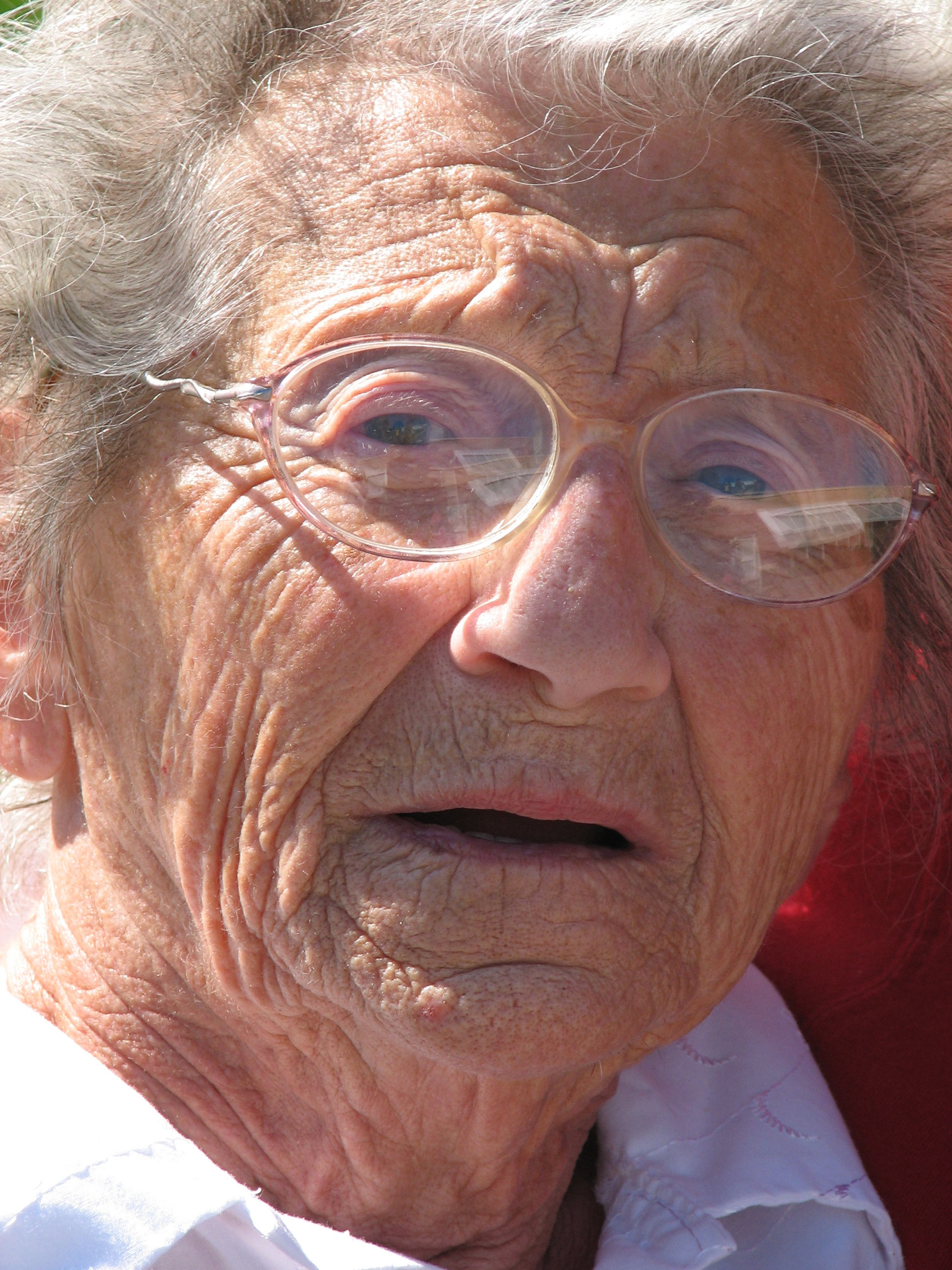
Photo by Andrea Piacquadio on Pexels.com

I am very interested in helping older people, especially those who are caregivers to those who have Alzheimer’s disease or related dementias. Two of my books are written specifically on this topic. January is Alzheimer’s Awareness Month here is Canada, and I was pleased to see this statement from the Minister of Health which I felt was important enough to share here (I bolded a section for emphasis!). I found there is a lot of valuable information, plus the good news that we are doing something right! It also includes steps we can take to help reduce our risks.

Way to go Canada!

Angela G. Gentile, MSW, RSW

Link to purchase my latest book on Amazon: https://a.co/d/4PDKnBj

Message from the Minister of Health – Alzheimer’s Awareness Month

From: Public Health Agency of Canada

January 3, 2024 | Ottawa, ON | Public Health Agency of Canada

January is Alzheimer’s Awareness Month. Almost half a million people in Canada live with dementia, impacting not only themselves, but their loved ones and caregivers as well.

While the risk of dementia increases with age, it is not an inevitable part of aging. In fact, the rate of newly diagnosed cases in Canadians aged 65 and over has been dropping for the last several years.

This is why the Government of Canada has been investing in the implementation of Canada’s national dementia strategy – A Dementia Strategy for Canada: Together We Aspire. It focuses on the areas of research, surveillance, awareness initiatives (including a national public education campaign), community-based projects and guidance.

Implementing the national strategy is a joint effort by a wide range of organizations across Canada, including provincial and territorial governments, academic institutions, non-governmental organizations, and health and social care providers. Over the past five years, the Public Health Agency of Canada (PHAC) has funded more than 70 dementia projects through organizations such as these across the country. A number of these projects were featured in the 2023 Report to Parliament on the national dementia strategy.

Targeted research is needed to better understand cognitive impairment in the aging brain, which is one of the reasons why the Canadian Institutes of Health Research (CIHR) launched the Brain Health and Cognitive Impairment in Aging (BHCIA) Research Initiative in March 2023. This initiative encompasses a number of aspects including the Canadian Consortium on Neurodegeneration in Aging and the Dementia Research and Innovation Funders Alliance (launched in November 2023) and several new funding opportunities.

It has been estimated that 12 risk factors that can often be managed and reduced could explain 40% of cases of dementia globally. This highlights the importance of raising awareness about these factors which include physical inactivity, smoking, obesity and chronic conditions such as hypertension and diabetes.

This January, for Alzheimer’s Awareness Month, I encourage you and your family to visit Dementia: Risk factors and prevention – Canada.ca to learn more about dementia risk reduction. Choose one habit that you can change or improve such as being more physically active, socializing regularly, or having a healthier, more balanced diet. Engaging in these healthy behaviours can help reduce the risk of dementia and delay the onset of symptoms, thereby improving your quality of life as you age.

We can all help improve the quality of life of those living with dementia. For more about how to reduce dementia-related stigma and communicate in a supportive way with people living with dementia, visit Dementia: Tips on how you can help – Canada.ca.

As more of us take these actions, we’ll reduce the impact of dementia on Canadians.

The Honourable Mark Holland

Contacts

Christopher Aoun
Press Secretary
Office of the Honourable Mark Holland
Minister of Health
613-291-4176

Media Relations
Public Health Agency of Canada 613-957-2983
media@hc-sc.gc.ca

Source: https://www.canada.ca/en/public-health/news/2024/01/message-from-the-minister-of-health—alzheimers-awareness-month.html#

An Encouraging and Supportive Time-Out By and For the Caregiver

Today’s guest post is by Brent Hoag. Reprinted with permission. Originally published on Facebook.

*****

A BOND
A PLEDGE
A COMMITMENT
LOVE

A husband caring for his wife
A wife caring for her husband
A daughter &/or son caring for their mother &/or father
A grandchild caring for their grandfather &/or grandmother
A relative caring for someone related to them
A friend caring for a friend
A partner caring for a partner
A human being caring for a stranger
A human being caring for someone they know
Human beings caring for human beings who are vulnerable and in need

I just read for 90 minutes various Posts & Comments in a few support groups that were written by a cross section & diversity of members/caregivers. I don’t often do this for a number of reasons. I was overwhelmed yet again at the pain, despair, grief, and anxiety and so much more that we share in common. And the sadness, oh the sadness in our lives & hearts.

However, in complete candor, I felt such a sudden unexpected pride because of what each of you, & we collectively, are doing. I honestly felt such a sense of pride to be associated with you even though we have never met. I empathize. I cannot overstate the importance of our being able to relate to, & rely upon, one another as caregivers.

This is about feeling privileged & honored about being in a group of people who notwithstanding our sadness, frustrations, challenges, & yes again the exhaustion, are caring for another human being who is so vulnerable. You have not only endured & coped but you have risen above and persevered in spite of daunting challenges in order to care for another human being. You are pushing through an incredible amount of sadness & difficulty in order to care for another human being. You are trying to afford them some peace, comfort, dignity, respect, & level of care that they so desperately need.

Your own selflessness & sense of responsibility & compassion for another human being is making a difference in their journey. We don’t expect or want recognition or applause. That’s not why we are doing this. Why we do it is so personal & can be simple or profound. However, here we are.

Love for another human being is often the most powerful & compelling element that each of us feel and have in our hearts. We then care, share & support.

Tonight I read & read. There are so many of us & we are such a diverse group of people who are at very different places in our journeys with our loved ones. And yet here we are under one “bubble” sharing, empathizing, & supporting.

No cheerleaders, no bands, no celebrations, no speeches, no oscars, no victory laps. However there is something that I want to share with you caregiver to caregiver. We’re “doing it”. We’ll get through this. I understand only too well your sense of humility but now & then we need help to get back up & to carry on & some deserving recognition & praise can give us the ability & required strength. And yet in our very special group of human beings not only are we selflessly caring for another human being but we are lending assistance to one another as caregivers.

You, your steadfast dedication, your ongoing sacrifices, your compassion, your perseverance, your doing the best that you can, and yes your love are a bond that we share. Whoever you are & whatever your connection with the person that you are caring for, I just want you to know how sad it was for me to read so many of your posts/comments but how much of a sense of pride & honour it allowed me to feel during such dark times. Thank you for that.

You are pretty remarkable even though you likely don’t feel that way. Most of us don’t. However, I hope that in some way when you hear it from a fellow caregiver that it resonates with you & that you can carry some of this in your hearts & minds in going forward.

I have sometimes been criticized for my Posts being too long. Caregiving & the challenges that Alzheimer’s/Dementia presents doesn’t often have a short version when it comes to supporting, sharing, & feeling for a fellow human being. In this Post, I could have simply written “I’m proud of you & honored to be associated with you”. However, in my opinion the topic/message was too important to abbreviate, condense, or underemphasize. You deserved so much more than that.

It’s bittersweet for all of us, but I wanted to take a rare “time out” to acknowledge you for what you are doing.

It’s tough. It’s almost impossible at times, but here we are caring as best as we can for a fellow human being. I will never take that for granted & even though it is a long Post it is one of the rare one’s where a caregiver reminds other caregivers just how remarkable they are.

Who knows, when times are especially low, sad, & challenging perhaps you will allow yourself a “time out” to re-read this as a source of encouragement, support, etc. After all, that is one of the reasons why I wrote this, one caregiver to another caregiver. 💜

“Sail On” by Brent Hoag (Poem & Song) – Coping with Ambiguous Loss When a Loved One Has Dementia

Sail On by Brent Hoag

YouTube video by Marilyn Christian: Sail on by Brent Hoag https://www.youtube.com/watch?v=TyRAhRZ4ud0. Brent Hoag wrote a poem for his wife, Sally, who suffers from Alzheimer’s. The words were put to music by Songfinch and sung by Effee.

On page 92 of, Alzheimer’s, Dementia, & Memory Loss: A Helpful Guide for Caregivers, which Brent Hoag helped me with, I explain about ambiguous loss, a term coined in the 1970s by Dr. Pauline Boss. It is the unfortunate situation whereby a loved one is still alive, but “lost” at the same time. They are physically present but psychologically absent. This happens when someone is affected by a disease such as Alzheimer’s or one of the many other neurocognitive disorders. Damage to and dying parts of the brain ultimately affects one’s personality. Some caregivers find writing can help them cope with their grief. Brent Hoag wrote a poem in 2021 called “Sail On” which is dedicated to his wife Sally (see below). He then had it made into a song, then naturally a video on YouTube followed (see above).

The book, “Alzheimer’s, Dementia, & Memory Loss: A Helpful Guide for Caregivers” that I helped author Angela G. Gentile in part to write, has been well-received with a lot of positive feedback. My original poem “Sail On,” which I dedicated to my wife Sally who is in the later stages of Alzheimer’s, appears on page 93 which follows Chapter 9 that I wrote addressing humour and coping in relation to Alzheimer’s/Dementia.

For your ease of reference purposes, I am also including the original poem that I wrote that went viral across Canada, the USA, and beyond. I am so grateful to have heard back from countless people who thank me and let me know how much the poem (and now song) resonate with them. It is also great to learn that it has been disseminated/shared within the Alzheimer Society British Columbia and amongst personnel primarily at the renowned UBC Brain Health Centre. The song “Sail On” was also played at a national conference on-line discussion at the University of Waterloo in Ontario, Canada.

Brent Hoag
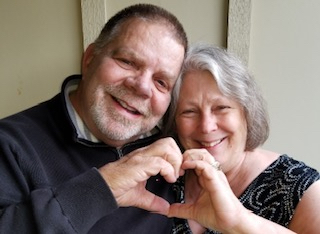
Brent and Sally Hoag

DEDICATED TO SALLY

SAIL ON

So far from the shore

I feel like I am no more

So far from land

I am now a lost husband

I am losing you

You are going away

Like a lost horizon on a cloudy day

From the deck I will release a dove

As a sign for you the one I love

Even though you are still here

I find that you are no longer near

Because you went adrift at sea

I will never again really be me

I love you Sally wherever you are

My heart is broken because you have forever gone afar

Even though I have found the shore

The “we” and “us” are never more

Sail on my love

Sail on my love

I pray that you find my dove

That I sent to you my love

Sail on

Sail on

Until you are finally free

From the bonds of this cruel sea

I will see you one day beyond the horizon

And my heavy tears will be no more

As we join together once again

So far from the shore

Love, Brent 💙

A special thank you goes out to Brent for sharing his beautiful poem. My heart goes out to him.

Angela G. Gentile, MSW, RSW

Note: Brent says, “Feel free to share and further disseminate this.”

Quality Senior Services Has a New Member! (Me)

Quality Senior Services – Trusted Professionals for All Your Needs. Member Angela G. Gentile.

Edit: I left the group on 12 Sep 2024.

Who can you trust to provide you with services and products that tried, tested, and true? Who do you call when you need professional services, products, or advice? If you are not sure, I have the answer for you!

I am proud to announce I am now a member of the Quality Senior Services network of trusted professionals in Winnipeg, Manitoba. Who are we?

We are dedicated to providing quality products and services to seniors.

Are you a senior looking for assistance or someone caring for an older person? The goal of QSS is to help meet the diverse needs of older adults providing easy access to a variety of products and services. Call one of our trusted professionals or visit our website at qualityseniorservices.com to discover how SQQ members can help you or someone you care about.

Quality Senior Services, 2023

Our brochure and website lists an impressive variety of professionals, including:

  • Realtor
  • Financial Planner
  • Disability Tax Credit Advisor
  • Licensed Insolvency Trustee (Accountant)
  • Lawyer
  • Mortgage Broker
  • Clinical Social Worker (me!)
  • Dental Care
  • Nurse Practitioner
  • Pharmacist
  • Speech and Swallowing Therapy (SLP)
  • Private Home Care
  • Home Medical Supplies
  • Professional Movers, Transition Specialists, and Estate Sales
  • Funeral Services
  • and MORE!

Quality Seniors Services (QSS) was founded in 2007 to provide a trusted and reliable space for seniors and caregivers alike, to find credible professionals with a strong rapport in the older adult community. QSS strives to offer a comprehensive variety of health services providers, professional service providers, and quality of life services providers. Each member of QSS is held to a high standard and is required to have an up-to-date criminal record check, vulnerable persons abuse registry check, and industry certification and professional requirements.

Quality Senior Services, 2023

Many of our members provide mobile or home visits. Accessibility is key. We know.

Our membership is always evolving and we are open to having new members who provide services to older adults and their families. All service providers are vetted and trusted, whether they are health sector, quality of life, or general professionals. We all come with a wealth of experience.

You will see us out at the “Pros Know Expos” and we are always willing to chat with you about your needs.

Angela G. Gentile, MSW, RSW

Clinical Social Worker for Quality Senior Services

For more information on QSS or email us at qseniorservice@gmail.com.

Alzheimer’s, Dementia, & Memory Loss by Angela G. Gentile with Brent Hoag (Book)

Buy the paperback

Buy the ebook (Kindle)

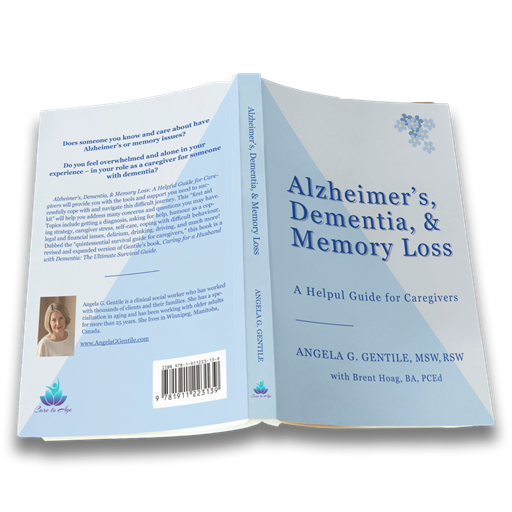
Here in Canada, January is Alzheimer’s Awareness month. To commemorate this event, I am thrilled to announce the release of my newest book, Alzheimer’s, Dementia, & Memory Loss: A Helpful Guide for Caregivers (2022). This book has been in the making for a few years now and I am pleased with its completion. It is available for purchase on Amazon in paperback and ebook (Kindle) format.

Alzheimer’s, Dementia, & Memory Loss is a fully revised and expanded version of my book, Caring for a Husband with Dementia. Caring for a Husband with Dementia, written in 2015, has been my number one seller and this new book is sure to enlighten everyone. It is written in gender-neutral language and will be relevant for all care partners and those who provide assistance and help to those struggling with cognitive decline and neurocognitive disorders.

My idea for this book came to me not long after I published, Caring for a Husband with Dementia. I had people asking me, “Where is the book for us husbands?” and “Where is my book? I am a child of a parent with dementia.” This got me thinking. So I started by having men who were caregivers look over the book. I had one man who was unable to complete his mission. So I had to continue to search for the right person(s) to help me.

Dubbed the “first aid kit” and “quintessential survival guide” for caregivers.

Eventually, I developed a friendship (through an online caregiver support group) with a man named Brent Hoag, whose wife Sally had been diagnosed with Alzheimer’s disease a few years prior. He was very keen on helping me and agreed to review the book from a male caregiver’s perspective. He is a prolific writer in support groups and online, so I knew he would be a great choice. His contributions to this book project were so valuable that I included his name on the front cover!

Brent’s contributions to Alzheimer’s, Dementia, & Memory Loss include a chapter on humour and his words of wisdom, experience, and advice are sprinkled throughout the book. You can sense the love for his wife in his words and the challenges he endured and how he handled them with loving care.

In this expanded volume I include special chapters on delirium, drinking, driving, and doggy dementia. In the seven years since I wrote my first book on dementia, caregivers have come to me with some very challenging situations that are unfortunately more common than we realize. The dementia-affected brain can pose so many difficult situations for caregivers, so this book is sure to shed some light on how to cope and manage.

Topics include:

  • Getting a Diagnosis
  • Understanding Dementia
  • Understanding Caregiving
  • Asking for Help
  • Practical and Emotional Support
  • Caregiver Burnout and Self Care
  • Humour as a Coping Strategy
  • Improving Self-Esteem
  • Long-Term Care Placement
  • Loss, Grief, and Bereavement
  • Communication (includes Therapeutic Reasoning®)
  • Coping with Difficult Behaviour (the biggest chapter with tons of tips!)
  • Abuse and Neglect
  • Legal and Financial Preparedness
  • Delirium and the Older Adult
  • Problem Drinking and Dementia
  • Unsafe Driving
  • Doggy Dementia
  • and more!

These 210 pages are full of support, tips, and advice that everyone can learn from whether you are a informal care provider or a formal caregiver. Problems with one’s memory and recalling recent events is often one of the first signs of dementia. I have included the term “memory loss” in the title in case a failing memory is the main problem one is having.

If you would like to purchase a copy, I always have some available on hand, or you can purchase the book online from Amazon. Contact me for any other inquiries, or click on these links to go to Amazon (USA – change country if needed):

Buy the paperback

Buy the ebook (Kindle)

Angela G. Gentile, MSW, RSW

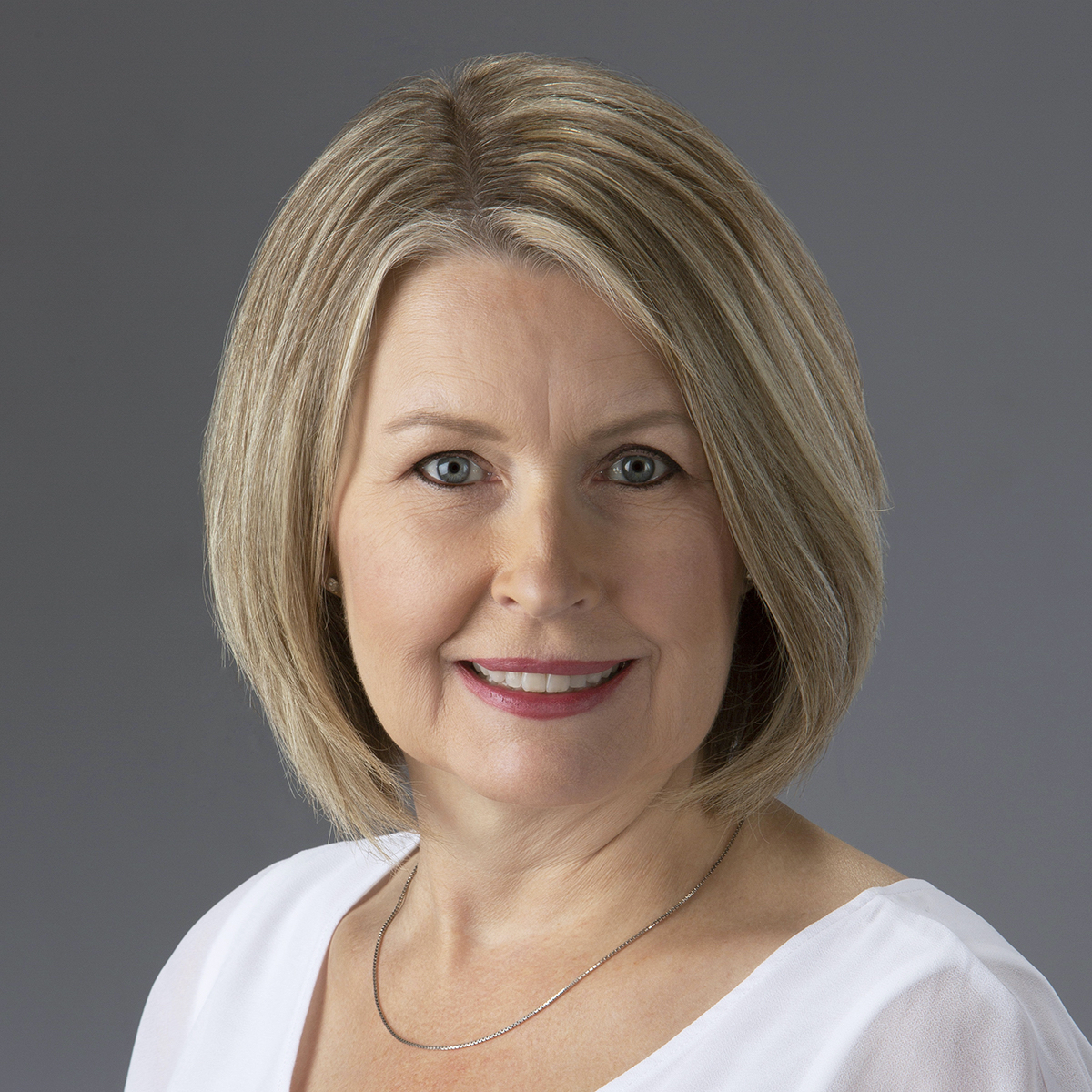
Angela G. Gentile is a clinical social worker who has worked with thousands of clients and their families. She has a specialization in aging and has been working with older adults for more than 25 years. Angela is married, has two adult children, and lives in Winnipeg, Manitoba, Canada.

For more information: AngelaGGentile.com

The Healthcare System Gets a Failing Grade When it Comes to Supporting Caregivers of those Living with Dementia

Photo by Yannis Papanastasopoulos on Unsplash

I helped coach a caregiver and his friend through what was a very stressful and horrible day. It ended well, but the experience leaves me angry and I thought I should share it, in the hopes that it will help someone else.

This is a true story of a father and son. Names and other identifying information has been changed to protect identity and confidentiality. I will call the father Mr. Smith, the son Donald, and the friend Krista.

Mr. Smith, 62 years old, was diagnosed with dementia about five years ago. He and his family learned about this diagnosis while he was a patient at the hospital. His son had told the hospital staff that he and his partner at the time couldn’t look after his dad at home any longer and there was no other family members who could look after him. The hospital told the son that if he didn’t take his dad home, he would be sent to a homeless shelter. This didn’t sit right with Donald, so he took his father home.

Fast forward five years later. Donald calls me to say his father has been needing increased care and supervision. He needs to be fed, showered, dressed, and on three occasions he has left the home without notice and was unable to safely return due to his declining cognition. He was unsafe to be left alone for long periods of time. More recently, Mr. Smith left the home and the police were called. Mr. Smith was found on a bus. He didn’t know where he was or where he was going. This was the last straw for Donald. He knew it was time to have his father placed into long-term care.

I advised Donald that he could call Home Care and get the ball rolling for either home care services (which they tried in the past but had failed) or an assessment for long term care, such as personal care home admission. Donald said that it was getting too difficult for him to manage and that he needed this dealt with, urgently. I then advised that he should take his dad to the hospital and tell the medical professionals that his dad is not safe and he can no longer safely and adequately care for his father at home. Donald is the only care provider and told me that any other family members who are aware of the situation agree with the hospitalization and potential admission to personal care home.

Donald and his friend Krista took Mr. Smith to the emergency department that had a shorter waiting time than the other hospitals. They arrived at 9:00 am with an anticipated three-hour wait. I had coached Donald on what to say when he and his dad arrived at triage. That seemed to go well.

What didn’t go well was the three-hour wait turned out to be much longer. Mr. Smith was starting to get agitated. He didn’t understand why he was there. Donald didn’t know what to do so he asked me if I thought he should leave his dad there. I advised against it, however, Donald was getting very stressed and I suggested he talk to the nurse to let them know how he was feeling and to find out how long the wait was going to be.

Donald asked the nurse what would happen if they left. There were four people waiting ahead of Mr. Smith. The nurse at the time said, “Just let us know if you leave.”

Donald and Krista decided to wait another hour. When the hour was up, Donald called me again. He said, “We want to leave dad here, but are worried about what will happen if he decides to leave the hospital.” I said that now that he is in the hospital, he should be safe. The nurse had told you to let them know you are leaving, so if you must, just advise them and then go.

When he told the nurse (a different nurse as there had been a change), they told Donald that he can’t just leave his dad there. Donald said, “Well, you have two security guards at the door, so why can’t you just watch him so that he doesn’t leave. We don’t want him to get hurt.” They then told Donald that if he left his dad there, it would be considered “elder abuse.” Krista immediately responded with, “Don’t go using that term. You don’t know what we have been through. We are here because we want Mr. Smith to be safe. We don’t want a burnt out son and a possible mental breakdown on our hands.” Donald then said, “I have no legal authority over my dad. I have no Power of Attorney, I don’t run his life for him. He is not well, he has dementia, and he needs more care than what I can provide for him. I can’t take him home.”

I told Donald that he in no way would be guilty of elder abuse and that that was an absolutely inappropriate and unprofessional accusation by the person who said that. I told him the hospital have a very vested interest (and responsibility) in keeping his dad safe. I said, “Could you imagine the front page news tomorrow if, heaven forbid, your dad was injured or worse yet, killed, after he left the hospital under their watch?” It would not be your fault, it would be theirs. You have done all you can do and you are done. You are to be commended for the care and concern of your dad until now. It will take a team of trained staff to look after him. You can’t do it anymore.”

Soon after this, they miraculously found Mr. Smith a bed. Donald walked with his dad and the nurse to the emergency room bed. The nurse asked why Donald was following, and he said he wanted to make sure his dad was settled before he left. The nurse told Donald that there were going to be a lot of people seeing his dad, such as social workers, and other professionals and that this may take a while. Donald was satisfied, told them to call with any questions, and with that, went home.

The fact that Donald was accused of “elder abuse” is absolutely unacceptable. This absurd, unfounded accusation towards a burnt-out, stressed, grief-stricken son is horrific. I feel so badly for Donald. He had to basically “surrender” his dad to the healthcare system. One that has failed Mr. Smith and his son miserably. I sometimes wonder if the emergency departments do this on purpose in situations involving dementia – delaying the exam so long that the family decides to take their agitated, confused, frail loved one home rather than wait. Things have to change.

Donald went above and beyond over the last few years to care for his father at home, on his own. Home Care was tried, but it didn’t work for a variety of reasons. The healthcare system fails our family member caregivers time and time again. I see it and hear about it quite often.

For example, I know a dear older woman who is the wife of a man with dementia. She is also stressed and wanting to get her husband on the list for personal care home (PCH). She went through all the proper channels and she was told that he doesn’t qualify for PCH as he is “still able to do so much for himself.” She is burnt out, grieving, and at a loss for what to do next.

Our healthcare system here in Winnipeg, Manitoba needs to change. It needs to recognize the stress put upon the caregiver of a person with dementia. Our healthcare system needs to stop blaming caregivers, and telling them that they are guilty of elder abuse, when in fact they are doing the most difficult thing any loving family member can do (surrender their loved one to the long-term care program) to keep their loved one safe and cared for, while at the same time saving their own sanity. A caregiver already feels shame and guilt. Why add more pressure?

If you need any coaching, advocacy, or counselling regarding the difficulties associated with dementia care, please contact me for a free 15-minute consultation.

Angela G. Gentile, MSW, RSW

Go back

Your message has been sent

Warning
Warning
Warning
Warning.

Men Concerned About Developing Dementia Want Their Partners to Read This Book

IMG_1407

“Caring for a Husband With Dementia: The Ultimate Survival Guide” has been out for almost two months now. I have been to a few events since my book launch. On Saturday, May 9, 2015, Coles – Kildonan Place (Winnipeg) hosted a book signing event for me. This is my second time doing an event like this, and I couldn’t find any “How To” on the subject. I’ve been learning as I go.

BUY THE BOOK – Caring for a Husband with Dementia

I suited up; packed up my signing pen, rack cards, business cards and candy dish and headed over to Coles with a positive mindset. I was looking forward to the event, hoping to connect with lots of people. Since I only sold one book at my first event (and the author sharing a table with me that day sold two books) I hoped to sell one or two books at my second event.

What I find most memorable from the event are the people who stoped by to chat. I appreciate when people open up and tell me their stories. My sister-in-law even stopped by on her lunch break to see me and I got her to take a picture (see above).

A middle-aged man stopped by to say he wants to buy the book for his wife. I wasn’t sure if he was joking or not. But he went on to explain that he feels his chances of developing dementia are high because both of his parents had Alzheimer’s. He said his wife doesn’t want to talk about it. I encouraged him to take a rack card and wished him all the best.

People seemed to enjoy the candies I was offering. Many children stopped by to take a caramel or a Lifesaver. It was interesting to hear the parents direct them to, “Say thank you.” Some asked for permission to take, others just dove right in.

A younger couple told me about the man’s head injury from years ago and that he has been told he’ll most likely develop dementia when he gets older. He wanted his girlfriend to get the book so that when and if that time comes she’ll be well prepared. They were a sweet couple and she appears to be committed to the relationship and whatever may come down the road.

20150508_075554_resized

A few people took my rack card. It’s a bigger version of a bookmark with information about me and my products including my mobile app for caregivers. One young woman said she couldn’t afford to buy the book ($19.95 CDN) but asked me to sign the rack card for her. I told her I am working on getting the book into the library but that it takes time.

I chuckled to myself when a man in his late 70’s flirted with me. He told me how good I looked as he gave me a little wink and whistle. About a half-hour later he came back my way and he said I had nice legs. Both times I smiled and said, “Thank you.”

At the end of my two-hour event, a woman came to me with a smile, and told me I looked lonely. She went on to tell me about her experience of looking after her husband who had dementia. He eventually became quite aggressive and had to be moved to a nursing home. He died about a year ago. Now her neighbour is going through the same thing. She bought a book and asked me to sign it in memory of her late husband. She planned on sharing it with her neighbour or anyone else who may benefit from it.

I ended up reaching my goal for sales. Selling two books in two hours doesn’t seem like a lot, but I was told that some authors don’t sell any books. It has been the bookstore’s experience sometimes the customers come back during the week to purchase the book. Some of them don’t buy when the author is there, but choose to come back at a different time. I have also read that sometimes a person needs to hear about, read about, or see a book seven times before they buy it. So, any exposure is good exposure.

Overall, I really enjoyed my book signing event and I would say it went well. I especially enjoyed talking to people about their experiences. I learned that men want their partners to read this book. I also learned that men in their late 70’s like to flirt with middle-aged authors. 😉

Have a great day!

Angela G. Gentile

purple-swirl-separator-hi

Angela G. Gentile, MSW, RSW is a clinical social worker who specializes in aging. She has helped hundreds of people who are struggling with the challenges aging can bring. Angela is passionate about challenging ageist myths and stereotypes and exploring what it means to age well. She considers herself a realistic optimist but she still can’t tell her left from her right. Find out more at http://www.angelaggentile.com.

Dementia Caregiver Solutions App on the Radio

DCS Logo Rounded (1)

I had the awesome opportunity to be interviewed by Faisal Karmali of News Talk 770 regarding our new app, “Dementia Caregiver Solutions”, March 27, 2015, for a program called “More Than Money” for News Talk 770 in Calgary, Alberta. Check out the 10 minute YouTube video I made:

 DCS App Interview on News Talk 770 

The program is produced by Peter Watts. It’s a finance and lifestyle program, aimed primarily at a 50+ demographic which is transitioning to, or is already into retirement. It is co-hosted by Dave Popowich and Fasial Karmali, who run a financial advisory practice catering to this same demographic, under the CIBC Wood Gundy banner.

I was flying by the seat of my pants, and I also got a chance to promote my new book, “Caring for a Husband with Dementia: The Ultimate Survival Guide.” The segment will be aired on Sat. April 25, 2015 on News Talk 770 in Calgary.

Have a great day!

Angela G. Gentile

purple-swirl-separator-hi

Angela G. Gentile, M.S.W., R.S.W. is a clinical social worker who specializes in aging. She has helped hundreds of people who are struggling with the challenges aging can bring. Angela is passionate about challenging ageist myths and stereotypes and exploring what it means to age well. She considers herself a realistic optimist but she still can’t tell her left from her right.

Private Facebook caregiver support group launched

Image courtesy of Salvatore Vuono at FreeDigitalPhotos.net

Image courtesy of Salvatore Vuono at FreeDigitalPhotos.net

Caregivers often find themselves feeling isolated, and trying to do everything on their own. This can lead to burnout. Education and support can often alleviate some of the stress they feel. Having a good friend or two and supportive family members are always the first choice, however, sometimes it is not enough. A support group can be a great addition to the caregiver’s resources.

Connecting with someone who understands what you are dealing with can do wonders for your mental well-being. Support groups can offer so much. However, sometimes it is difficult for caregivers to leave their homes, therefore online support groups are a viable option for many.

Here is what  the Mayo Clinic (www.mayoclinic.org) has to say:

Benefits of support groups

Regardless of format, in a support group, you’ll find people with problems similar to yours. Members of a support group typically share their personal experiences and offer one another emotional comfort and moral support. They may also offer practical advice and tips to help you cope with your situation.

Benefits of participating in support groups may include:

  • Feeling less lonely, isolated or judged
  • Gaining a sense of empowerment and control
  • Improving your coping skills and sense of adjustment
  • Talking openly and honestly about your feelings
  • Reducing distress, depression or anxiety
  • Developing a clearer understanding of what to expect with your situation
  • Getting practical advice or information about treatment options
  • Comparing notes about resources, such as doctors and alternative options

Please join our private, closed group, Dementia Caregiver Solutions Support Group on Facebook. It is moderated by a clinical social worker, and a dementia consultant. All are welcome.

Sincerely,

Angela G. Gentile

purple-swirl-separator-hi

Angela G. Gentile, M.S.W., R.S.W. is a Specialist in Aging who has more than 25 years of experience working with older adults and their families in a variety of capacities. She has worked in private practice, long-term care, home care, health care and non-profit organizations. She is a realistic optimist who lives in Winnipeg, Manitoba with her husband and two children.


Don’t you remember me?

Image source: “Oma” from freeimages.com

Image source: “Oma” from freeimages.com

It can be upsetting and frustrating when a loved one with dementia forgets who his/her family members are. Sometimes it’s a case of not being able to recognize faces. Many times I have heard family members say, “He thinks I am his sister,” or “Mom thinks I am her brother.” It can cause distress because it is another reminder that the relationship they once had is eroding away. It is another sign they are losing the mother/father/spouse/grandparent they once knew.

→ For tips on how to manage the difficult behaviours of dementia, check out the Dementia Caregiver Solutions app.

Get into their world.

     One way to look at it is to try to get into the world of the person with dementia. What period of life is s/he in? Is he young and still working? Maybe she is still living in her own home with four young children. When she looks at you, she doesn’t see her 48-year-old daughter. She sees someone she recognizes, but you are “out of context.” It is like seeing into the future. From her perspective, her nine-year-old daughter is in the other room or at school, and this 48-year-old version of her is standing in front of her. She sees a familiar person, but is not sure who.

Put yourself into context.

     Consider this – How many times have you gone to the supermarket or to another public place and bumped into someone you recognize. You make eye contact, but you can’t figure out how you know this person. He is familiar to you. He smiles and says, “Hello!” and addresses you by name. He asks how you are doing. You still can’t figure out who this man is. You smile back, but stay silent because you don’t want to appear silly. Finally, he says, “I am Bill, we met at the last staff meeting. I am the new guy,” as he chuckles. You are relieved because now you can place him. He was out of context. You didn’t expect to see someone from work at the supermarket. When he explained how you knew each other, it helped place him into context.

Clarify if that’s what is needed.

     That is my take on how to understand and respond to someone with dementia and/or memory problems. S/he may need a little reminder of who you are and how you fit into her/his life. Putting everything into context can help relieve the person’s anxieties and insecurities. Even if she thinks you’re her sister, that’s okay, too. If she asks for clarification or she is not sure who you are, gently remind her and put yourself into “context.” S/he will most likely respond favourably.

Avoid using a disapproving tone.

     It’s a natural reaction to want to be angry or disappointed with the person. At times you may have responded in a disapproving tone and said something like, “I’m not your sister! I’m your wife.” This can result in making your husband feel more confused and ashamed.

Respond in a calm and reassuring manner.

     The next time your loved one with dementia mixes you up with another family member or is not sure who you are, consider responding with kindness, patience and understanding. Help put yourself into context. That may help her/him remember who you are.

NOTE: The medical term for the inability to process sensory information is called agnosia. There are different forms, including prosopagnosia, the inability to recognize faces. Check out Wikipedia if you want to learn more about agnosia, or watch this video on YouTube called Prosopagnosia.

 purple-swirl-separator-hi

Angela G. Gentile, M.S.W., R.S.W. is a Specialist in Aging who has more than 25 years of experience working with older adults and their families in a variety of capacities. She has worked in private practice, long-term care, home care, health care and non-profit organizations. She is a realistic optimist who lives in Winnipeg, Manitoba with her husband and two children.