How to Get Dementia – Top 10 Tips (Satire)

A break from my usual programming…

I have been reading a lot about how to prevent dementia. My books on dementia caregiving have made me think a lot about how we can prevent getting dementia or some other form of neurocognitive disorder such as Alzheimer’s. Dementia is a condition in the brain that affects our capacity to remember things, process information, and organize our thoughts. It can impact our ability to make safe and wise choices and it can affect our language and movement. I have been listening to webinars, reading books, and scanning the Internet for organizations who have authority on the subject. Here’s a satirical piece on the subject, a break from my usual kind of writing.

Top Ten List of Ways to Increase Your Chances of Getting a Dementia Diagnosis

1.Live a very long life. The older we get, the better our chances are to get dementia. Dying at a younger age can work against you if you really want to experience the joys of dementia. If you are lucky, you may end up getting early-onset dementia which is when it comes when you are under the age of 65.

2. Don’t exercise. Stay very sedentary. The less you move, the better it is for dementia to set in. The less stress you put on your heart and your muscles, the more chances your brain and vascular system has to suffer the consequences of very slow and gentle blood circulation. Moving more and getting your blood pumping would deliver more oxygen and healthy cells to your organs, so the less chances of that happening, the better.

3. Smoke and drink alcohol. The more you smoke and drink, the better. If you started smoking and drinking (they go hand-in-hand!) at a younger age, that would definitely increase your chances for getting dementia. If you haven’t smoked or drank in your life, you should start now. The unfiltered cigarettes are the best. Any kind of alcohol is perfect (just remember if you don’t want to get cancer or heart disease, you may faced with a difficult decision.)

4. Eat lots of junk food. The more sugar in your diet, the better! Dementia (and cancer – what a bonus!) loves sugar. If you have diabetes that is even better. Poorly managed blood sugars can also increase your risk for stroke and heart attack. They don’t call dementia Type 3 diabetes for nothing. Eat whatever you want to your hearts content. Just avoid nutritious meals like what they recommend for the MIND or Mediterranean Diet (you know like lots of fresh fruits, vegetables, nuts, and seeds). They say “What’s not good for your body is not good for your brain” so that’s a good mantra to put on repeat. The more processed foods you can add to your diet would be very advantageous. And while you are at it, stop drinking so much water. That way you don’t have to piddle so much (that tip comes from my mom!).

5. Invite and create lots of stress in your life. Studies show that stress can cause lots of stress on your system which can lead to lots of bad things happening in your body – including cognitive decline. It would be advisable to avoid things like meditation, self-care, having fun, and taking breaks. If you are still of working age, find a job that is really stressful that pushes you to the limits. You may also end up getting high blood pressure, anxiety, and sleep deprivation, so these combined can really enhance your chances of getting some sort of brain drain and cognitive problems.

6. Stop doing novel things. If you like to be bored and thrive on doing nothing new, this is the perfect thing for you! Keep on turning down opportunities that can enhance your learning. Your brain will feel good and learn how to build new neural pathways, so this is a no-no when it comes to wanting an unhealthy brain. Traveling can also cause an increased risk of learning and expanding the brain cells. People who want to get dementia stop traveling and especially refuse to learn new things such as a new language or take a dance class.

7. Welcome and encourage head injuries. If you want to increase your chances of banging up your head and causing some damage, you can do risky things like riding a bike without a helmet, or be in a motorized vehicle without a seatbelt (one downside of not wearing a seatbelt is that you may be fined or you may get a really bad body injury, not just a “traumatic brain injury” or even death). If you are a bit unsteady when you walk, don’t use a cane or walker. Using mobility aids can help prevent you from falling, and therefore it could help prevent a bonk to the head. Taking a risk to go from here to there with the walker will only decrease your chances for bumping the old noggin.

8. Try not to sleep so much. The less sleep you get, the better. Your brain cleans itself at night, so the less sleep you get, the less chance your brain has to clean itself. It’s better to let the impurities build up in hopes it could cause some build of of plaques and maybe even tangles (I am not quite sure how the plaque and tangles form, but I am thinking it may have something to do with poor sleep habits.)

9. Avoid contact with others. Stay in to win! One of the best ways to get dementia is to stay home on your own, most of the time. If you live with family or have a roommate, try to avoid them as much as possible. They say the more you converse with and interact with people, the more healthy your brain is. If you play bridge or scrabble, stop playing it. The brain is stimulated by sitting with others, strategizing the next move, and it’s really bad for (helps reduce the risk of) dementia. “Just say no!”

10. Don’t correct your poor vision or hearing. Toss away your glasses and hearing aids. It has been proven that if you can see and hear well, it reduces your chances to get Alzheimer’s and other forms of dementia. I am not completely sure of how that works, but they are learning that people who have poor hearing and don’t wear hearing aids have a bigger chance of getting dementia. Same goes for difficulties with vision.

What other things can we do to help ourselves get dementia? I want to hear it!

Angela G. Gentile, MSW, RSW

30-Day No Sugar Challenge Prep Week

Photo by Pixabay on Pexels.com

The COVID-19 pandemic is now into its fourth year. There are many concerns of how the pandemic has impacted our health and in a negative way. Weight gain and adopting unhealthy habits has certainly been my experience. In addition to rebooting my relationship with alcohol this past “Dry January,” I now want to take a closer look at my relationship with sugar and how I got started on my first 30-Day No Sugar Challenge.

My First Memories of Sugar

My first memories of sweet treats included candies called Black Babies, Wax Bottles, Marshmallow Strawberries, Pixy Stix, and Fun Dip. Many of these treats were found in convenience stores and cost pennies or nickels. Coming out of the corner store with a small paper bag filled with candies was always a fun and exciting time. Little did we know at the time that consuming too much of these sweet treats could cause tooth decay and cavities. Something we learned when we got a tooth ache or went to the dentist for a check-up.

As an adult, I have to admit I still love those Marshmallow Strawberries. My tastebuds have now matured and I have a very close attachment to dark chocolate (dark chocolate is good for you, right?). These sugary treats make me happy. Most sweet foods have a connection to mood. Cake, cookies, ice cream, pop, and other sweet food products are usually consumed when we want to either “treat ourselves” (reward to make us feel good), celebrate, socialize, or commiserate. “Pop and chip parties” have always had a very positive meaning to me. Still to this day I think of pop and chips in a fond way. Sugar and sweeteners (artificial or otherwise) appear to have an emotional component connected to them. “Instant gratification” can be achieved by simply going to the ice cream parlour and getting a sugar rush. We also know there are feel-good hormones related to the consumption of sugar. The Cleveland Clinic explains why we love sugar so much.

“Our brains are wired to enjoy things which make us happy,” says Taylor. “Sugar, in particular, releases brain chemicals, like serotonin, that make us feel good.” This leaves us wanting to experience that good feeling over and over again, day after day.

Cleveland Clinic

Emotional Hunger and Real Hunger

I have learned there are two types of hungers. One is emotional (a.ka. brain or head) hunger and the other is real hunger. Many of us eat when we aren’t really physically hungry and needing fuel and nutrition to feed our bodies. The Brisbane Obesity Clinic gives a list of reasons why we eat when we are emotionally hungry.

“Emotional hunger, also known as head hunger, refers to eating in response to an emotion or a habit. This type of hunger usually comes on suddenly, and people tend to crave a particular food (usually sweet, salty or a comfort food).

  • Eating on autopilot whether you are watching TV or sitting on the couch. Here, you associate a habit or activity with food even though you are not hungry.
  • Do you automatically grab something at the servo when you stop for fuel?
  • Do you eat something at a party only because it is offered to you/is free?
  • Do you get the free muffin when you buy your coffee, even though you didn’t want the muffin in the first place?
  • Do you order an entrée or dessert when dining out with friends just because others have ordered it?
  • Do you tend to eat when bored, stressed or sad?

All of these external cues are driven by head hunger, and have nothing to do with being truly hungry. In summary, head hunger has social and emotional triggers.” 

Brisbane Obesity Clinic

Sugar Addiction and Detox

In order to prepare for my 30-Day No Sugar Challenge (NSC), I did a lot of research online. I started by reading this article on Healthline called, What are 30-Day No Sugar Challenges? All You Need to Know. I put an announcement out on social media and invited any other people who wanted to do a NSC to message me. Six other ladies joined me! I created a chat group on Facebook Messenger as well as a private Facebook Group. I joined the private SugarDetox Support Group as well for more tips and support.

The first week I called “Prep Week.” We started reading food labels and learning all about the different names of sugar and sugar substitutes. It was a week of discovery. I read about other people’s experiences with this type of challenge and how it reset their sugar-craving urges and addictions. Their stories of weight loss, blood sugar regulation, and generalized feelings of well-being were very inspiring. I also learned there is a small proportion of the population who have a bonafide sugar addiction and their best defence is to avoid all sugar and sugar substitutes. Similar to the Cleveland Clinic’s position on sugar and feel-good hormones, the Wellness Retreat Recovery Center explains in “Sugar and Dopamine: The Link Between Sweets and Addiction,” that “there is a link between sugar and dopamine, the same chemical that releases in the body during illicit drug use. What this means is that sugar and drug addiction are similar in a lot of surprising ways.” The instant spike in dopamine and serotonin feel-good hormones are the main reasons why we love sugar so much and why we need a continuous supply. The more we rely on sugar to do this for us, the less our brain does it for ourselves.

Added sugar, also known as free sugar, has no nutritional value and eating foods and drinks with high sugar content can cause an excessive amount of “empty calories.” We can live without it. But for some reason the North American diet is full of it. It comes in almost all packaged and processed foods. There is actually a “Bliss Point” of sugary sweetness that is a marker for how much sugar people like in their food. “Hidden sugar” can be found in products such as gravy mixes, granola bars, mayonnaise, and luncheon meats. Even McDonald’s products have sugar. For example, their world-famous french fries have dextrose, which is another form of sugar. Maltodextrin is in many packaged foods we have in our pantry!

Natural Sugar is Okay

Some foods, such as fruits, milk and vegetables, contain natural sugar, which is OK to consume. What you should watch out for is processed sugars and sweeteners. These “hidden” sugars are in foods such as crackers, drinks, pasta sauces and even pizza. When checking the ingredients list, look for the words “malt,” “syrup” and those ending in “-ose.”

Mayo Clinic Health System

Sugar Danger

Eaten in high quantities sugar can be detrimental to our health. In a Harvard article called, “The Sweet Danger of Sugar,” we learn that there is a link between high added sugar consumption and increased risk of heart disease and stroke.

This CNN article called Study Finds 45 Negative Health Effects of Added Sugar is very eye-opening. Our recommended daily “free” or added sugar allowance, as suggested by three leading organizations, is 25 grams or about 6 teaspoons per day, as explained below:

“The findings — in combination with existing guidance from the World Health Organization, World Cancer Research Fund and American Institute for Cancer Research — suggest people should limit free sugar intake to less than 25 grams, or about 6 teaspoons, per day. There’s that much sugar in 2 ½ chocolate chip cookies, 16 ounces of fruit punch and about 1 ½ tablespoons of honey. A doughnut has around 15 to 30 grams of sugar, according to the Cleveland Clinic. 
The authors also recommend reducing consumption of sugar-sweetened beverages to less than one serving (about 200 to 355 milliliters) per week. That’s the equivalent of an up to 12-ounce soda, Aggarwal said via email.”

– Kristen Rogers, CNN

How sugar actually affects heart health is not completely understood, but it appears to have several indirect connections. For instance, high amounts of sugar overload the liver. “Your liver metabolizes sugar the same way as alcohol, and converts dietary carbohydrates to fat,” says Dr. Hu. Over time, this can lead to a greater accumulation of fat, which may turn into fatty liver disease, a contributor to diabetes, which raises your risk for heart disease.

Harvard Health Publishing

Sugar substitutes or artificial sweeteners can be found in many so-called “sugar-free” foods. Consuming these added sweeteners in the short-term appear to be safe, however, research is ongoing.

Researchers are checking to see if sugar substitutes affect cravings for sweets, the way people feel hunger and how the body manages blood sugar.

Mayo Clinic

Find Your Why

To prepare for this month without sugar (what we call “Prep Week”), myself and a few other ladies have been learning about sugar, reading food and drink labels, and talking to others about our upcoming no-sugar challenge. We have come up with our individualized plans for how we want to tackle our challenge. We all have to decide what will be doable for each of us, individually. We have learned there is no “one size fits all” approach. Awareness of, and reducing the amount of sugar we consume is the key. Avoiding ALL sugar is next to impossible. We all have our own reasons for doing this challenge and we are encouraged to “Find our why.” I will report back after my month without the sweet stuff.

Angela G. Gentile, MSW, RSW

Gut Issues? Try FODZYME – Because Food Shouldn’t Hurt

FODZYME

Irritable bowel syndrome?

Non-celiac gluten sensitive?

GOS intolerant (some nuts, beans, root vegetables)?

Trouble with garlic and onions?

Having other digestive issues?

Let’s talk FODZYME.

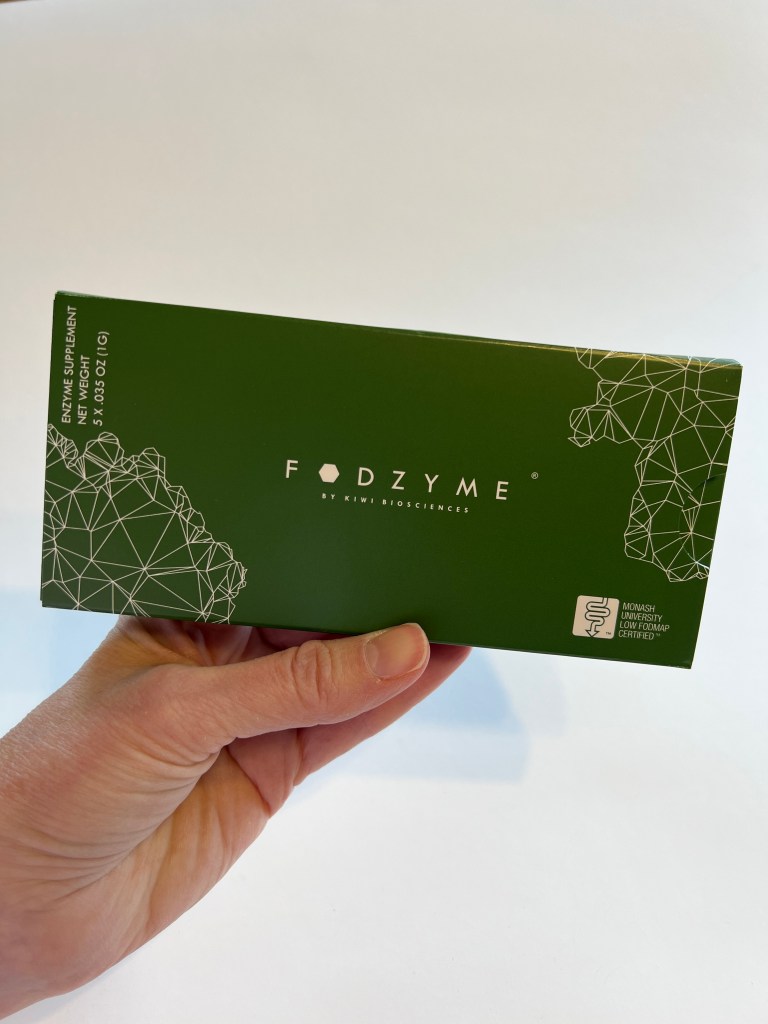
I am trying this new enzyme formula to help with my digestive issues. It’s called FODZYME. I just sprinkle the tasteless odourless powder (enzymes) on my food that I know causes gut and gastro issues. So far it has been helping me enjoy food without pain and tummy troubles. If you are like me, you will be looking for a solution!

I am a FODZYME affiliate which means if you use my discount code you can get 10% off. Let me know if you are interested in learning more. I have patient handouts I can share. Try the “Assessment” tool to see if FODZYME may be right for you.

>>>> https://www.fodzyme.com/angelaggentile

Discount code: ANGELAGGENTILE

Angela G. Gentile, MSW, RSW

How to Prevent Heart Disease — The Number One Cause of Death Worldwide

fruit-2135855_1920

Image by Bruno Glätsch from Pixabay

Heart disease is the number one killer, worldwide. Prevention is key. Although these ten points were written for healthcare professionals,  there are a few points that we can incorporate into our own lives. In the first point, we are to be encouraged to aim for a healthy lifestyle throughout life. It’s never too early or too late to start living a heart-healthy lifestyle.

It is also important to note points four and five — the heart-healthy diet and exercise recommendations. Making healthy choices 80% of the time is what we are aiming for. Knowledge is power.


Top 10 Take-Home Messages for the Primary Prevention of Cardiovascular Disease

American Heart Association, 2019

1.  The most important way to prevent atherosclerotic vascular disease, heart failure, and atrial fibrillation is to promote a healthy lifestyle throughout life.

2.  A team-based care approach is an effective strategy for the prevention of cardiovascular disease. Clinicians should evaluate the social determinants of health that affect individuals to inform treatment decisions.

3.  Adults who are 40 to 75 years of age and are being evaluated for cardiovascular disease prevention should undergo 10-year atherosclerotic cardiovascular disease (ASCVD) risk estimation and have a clinician–patient risk discussion before starting on pharmacological therapy, such as antihypertensive therapy, a statin, or aspirin. In addition, assessing for other risk-enhancing factors can help guide decisions about preventive interventions in select individuals, as can coronary artery calcium scanning.

4.  All adults should consume a healthy diet that emphasizes the intake of vegetables, fruits, nuts, whole grains, lean vegetable or animal protein, and fish and minimizes the intake of trans fats, processed meats, refined carbohydrates, and sweetened beverages. For adults with overweight and obesity, counseling and caloric restriction are recommended for achieving and maintaining weight loss.

5.  Adults should engage in at least 150 minutes per week of accumulated moderate-intensity physical activity or 75 minutes per week of vigorous-intensity physical activity.

6.  For adults with type 2 diabetes mellitus, lifestyle changes, such as improving dietary habits and achieving exercise recommendations, are crucial. If medication is indicated, metformin is first-line therapy, followed by consideration of a sodium-glucose cotransporter 2 inhibitor or a glucagon-like peptide-1 receptor agonist.

7.  All adults should be assessed at every healthcare visit for tobacco use, and those who use tobacco should be assisted and strongly advised to quit.

8.  Aspirin should be used infrequently in the routine primary prevention of ASCVD because of lack of net benefit.

9.  Statin therapy is first-line treatment for primary prevention of ASCVD in patients with elevated low-density lipoprotein cholesterol levels (≥190 mg/dL), those with diabetes mellitus, who are 40 to 75 years of age, and those determined to be at sufficient ASCVD risk after a clinician–patient risk discussion.

10.  Nonpharmacological interventions are recommended for all adults with elevated blood pressure or hypertension. For those requiring pharmacological therapy, the target blood pressure should generally be <130/80 mm Hg.

Arnett et al. 2019 ACC/AHA Guideline on the Primary Prevention of Cardiovascular Disease

https://www.ahajournals.org/doi/pdf/10.1161/CIR.0000000000000678

Age well, my friend.

Angela G. Gentile, MSW, RSW

Eat According to Your Genes – Nutrigenomix. Part 1

IMG_5373

Nutrigenomix packaging

I have been learning a lot about nutrition and diets. After reading Gin Stephen’s book “Feast Without Fear,” I was curious to find out what kind of “personalized nutrition” options were available to me. I came across this company called Nutrigenomix (out of Toronto, Ontario, Canada) and talked to my doctor and dietician about it. It’s a genetic test for personalized nutrition worth $499.00 CAD, so I wanted to make sure it was worth it.  With a doctor’s referral, I could get 80% of the cost covered by Manitoba Blue Cross. My doctor agreed to give me a referral.

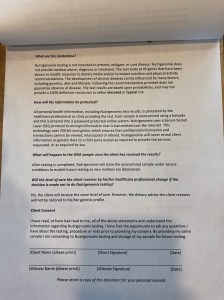
I found a dietician that was trained in doing this kind of testing (at the Wellness Institute in Winnipeg), and I booked an initial consultation with Laura. On the first visit, I had to read over and sign a consent form.

IMG_5370

Page 1 of Nutrigenomix consent form

IMG_5371

Page 2 of Nutrigenomix consent form

IMG_5372

Tube for Nutrigenomix saliva (DNA) sample

Laura then took a history, a brief assessment and told me a little about the DNA test. She was very interested in my intermittent fasting, so we talked a little bit about that. I also told her about the Low FODMAP Diet (for irritable bowel syndrome) and that I was learning I have an intolerance to certain foods like pistachios, almonds, and wheat flour.

She opened up the packaging and told me to get ready to provide a saliva sample for the DNA test. I had done a similar test for Ancestry DNA a few years back, so I knew it would take me a while to fill the tube up to the line (not including bubbles!). She said she would call when the results were in, which would take about three to four weeks.

Easy-peasy. Now the wait begins. Stay tuned. Watch for Part 2 when I receive the results!


Angela G. Gentile, MSW, RSW