Ways to Boost Your Mental Health Without Overhauling Your Life [Guest Post]

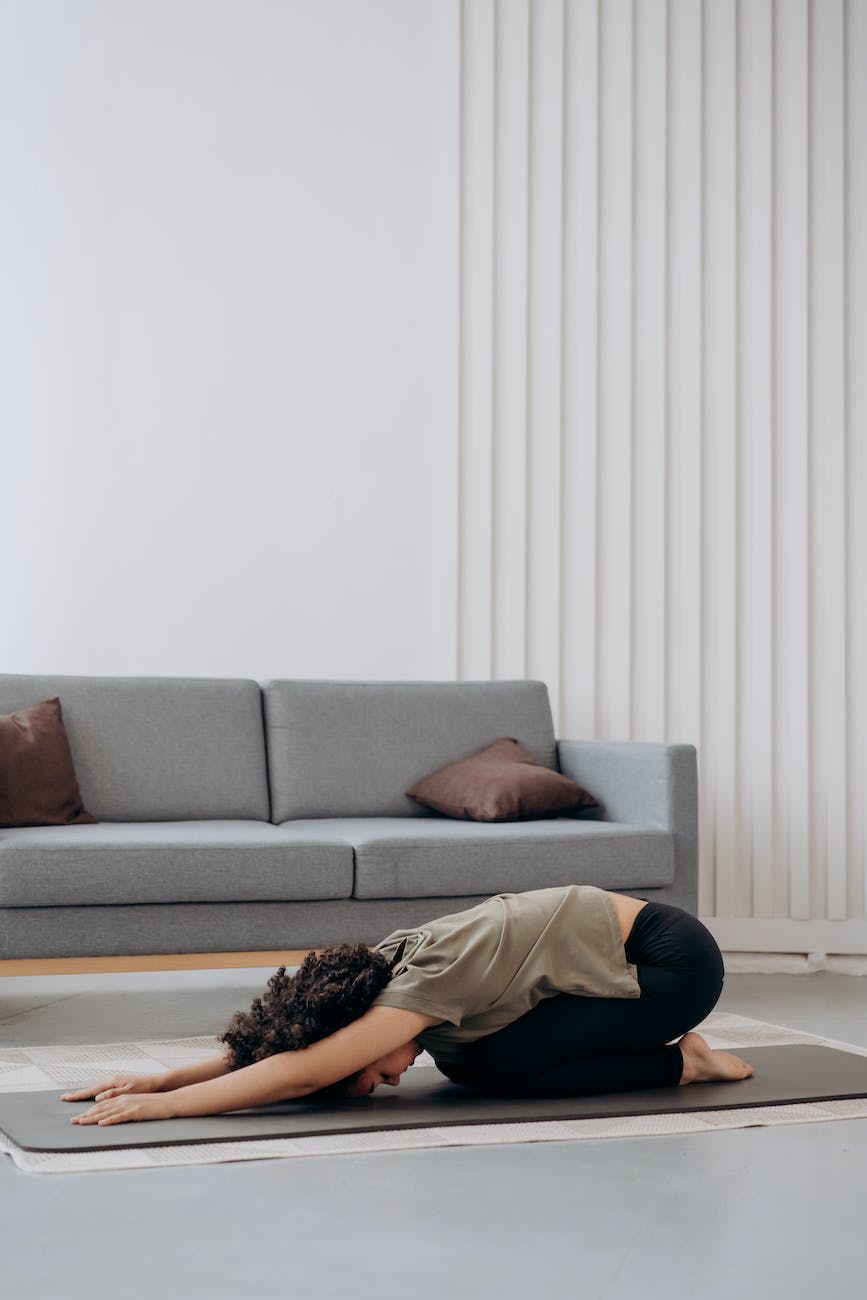
Image via Pexels

By Sharon Wagner

When you think about mental health, what usually comes to mind? Therapy, maybe
medication, or yoga classes on a quiet Saturday morning? Sure—those matter. But your
brain and body crave more than just the standard checklist. Mental well-being doesn’t need
to be a whole new lifestyle. Sometimes, what helps most are subtle, unexpected
shifts—ones that trick your brain into feeling more alive, more grounded, or more at peace.

Plant Something With Your Hands

There’s a quiet kind of magic in dirt under your nails. Even a small container garden or a
few pots on your windowsill can trigger a reset. Science increasingly points to how
gardening calms anxiety
by reducing cortisol, inviting rhythm into your routine, and
reconnecting your senses with the natural world. The act of nurturing something slow-
growing pulls you back into the present—no screens, no pressure, no performance. Just
breath, soil, and the steady hum of becoming.

Create With AI, Not Just Your Hands

Creativity doesn’t need to start with blank paper. Some of the most powerful
breakthroughs come from letting tools do the heavy lifting. With modern technology, AI
painting in visual arts
lets anyone, regardless of training, visually express ideas, memories,
or moods in seconds. It’s not about becoming an artist—it’s about tapping into your own
emotional processing in a language that words don’t always reach.

Use These Mental Health Apps

You don’t need a complicated system to get started—just a phone and a few minutes. These
apps, widely used in Canada, are changing how people get access to support:

PocketWell (Wellness Together Canada companion) — Backed by the federal
government, this app offers mood tracking, self-assessments, and direct access to
social workers or crisis responders—all in a private, judgment-free space.
Fello — Designed to connect users with others who’ve lived through similar
struggles, offering real stories from peer-support users without the pressure of
formal therapy.
MindShift CBT — Developed by Anxiety Canada, this app teaches evidence-based
coping skills rooted in cognitive-behavioral therapy. You’ll find exercises for
reframing anxious thinking, managing panic, and building long-term tools.
MindBeacon — This app pairs you with a licensed therapist who guides you
through a structured CBT program. Many Canadian health plans cover it, making
professional care more accessible without traditional barriers.
Calm — Known worldwide but widely adopted in Canada, Calm offers guided
meditations, sleep stories, breathing exercises, and relaxing music. It’s designed to
lower stress, help you sleep, and make mindfulness part of your day.

Give Your Time to Someone Else

You’re stressed, overwhelmed, and stretched too thin. And strangely, that’s why this works.
One of the simplest shifts you can make is volunteering—an hour, a morning, nothing
extravagant. Studies show volunteering boosts life satisfaction by giving you purpose,
relational validation, and meaningful structure outside your personal grind. It reminds
your nervous system that it still knows how to connect—and care—without needing to be
fixed first.

Get Cold—On Purpose

The ice bath trend might feel performative on social media, but its benefits go deeper than
hype. Cold water immersion has become a mental health intervention in its own right.
Researchers explain how jumping into an ice bath can trigger neurological responses that
regulate mood, reduce cortisol, and even promote mental clarity. You don’t need a
tub—start with a cold shower burst. It’s discomfort that teaches your brain how to recover.

Try Virtual Reality Therapy

You don’t need to leave the house to confront your fears. Therapists are increasingly
integrating immersive therapy with virtual reality into treatment plans, especially for
trauma, phobias, and anxiety. The appeal is real: controlled, repeatable exposure in a safe
simulation. It builds desensitization with precision, helping you develop regulation tools
that transfer into real-world situations. Sometimes it takes another world to help you
handle this one.

You don’t need to “be better.” You need more options. Not every strategy will resonate, but
one might shift something. Try it. Small experiments lead to bigger change. And mental
health? It’s a mosaic, not a makeover.

Discover a wealth of knowledge and support with Angela G. Gentile’s insightful books and
resources—visit AngelaGGentile.com to explore her work and connect with a community
dedicated to well-being and caregiving.

Bio: Sharon Wagner pens her thoughts from her personal retreat in Wisconsin. She finds it deeply satisfying to share about a wide range of topics to people across the US and Canada.

Creative Ways to Reduce Your Stress and Improve Your Mindset [Guest Post]

Image from Pexels

By Sharon Wagner

Reducing stress sounds like a monumental task, but thinking outside the box is often key. What you need is space—a pause long enough to let your thoughts and feelings take shape. Between DIY projects, journaling, painting, or just rearranging a room, there’s an invitation to process, reflect, and affirm who you are becoming. This article isn’t about mastering technique; it’s about giving form to your inner landscape. Let’s explore practical, soul-nourishing ways to do that.


Craft to Build Resilience


Creating something tangible with your hands trains your brain to stay curious and adaptive. Whether you’re knitting, building a wreath, or trying hand lettering, the process wires patience into your nervous system. Over time, these small acts of creation reinforce a growth mindset through arts and crafts—teaching you to pivot when mistakes happen, and to finish what you start. It’s not about perfection; it’s about endurance. That kind of psychological muscle pays off in every part of life. A hot glue gun might not seem like self-care, but don’t underestimate it.

Journaling for Insight


When thoughts spin too fast to write clearly, sketching them out can reveal things words can’t reach. If you haven’t tried it, visual journaling merges word and image to build a record of what you’re thinking, feeling, and shifting through. Some days, it’s watercolor and a date. Other days, it’s angry lines and a glued-down receipt. Each page becomes proof that your internal life deserves attention. You don’t need a narrative—just presence. The goal is not clarity, but contact.


Externalize with Digital Tools


Sometimes, your ideas and emotions are vivid but hard to express through traditional mediums. That’s where tech can help—not to replace your creativity, but to expand it. Using a free AI art generator online, you can turn phrases, moods, or even questions into visual pieces without picking up a brush. It’s not about “cheating” the creative process—it’s about meeting it from a new direction. When you see your thoughts rendered as shape and color, something clicks. It becomes real, and sharable if you choose.


Focus on Sensory Input


We often think of mindfulness as sitting still, eyes closed—but what if it looked like finger painting in silence, or hand-building a planter from clay? Practicing mindful creativity through presence practice helps redirect your attention from outcome to sensation. The feel of the brush, the sound of scissors, the quiet of choosing a palette—these are meditations in motion. You’re not multitasking or producing. You’re noticing. And that noticing is where ideas bloom from the inside out.


Use Creativity for Growth


Art is more than a hobby—it’s a compass when your identity feels in flux. Divorce, retirement, empty nesting, career changes—these are chapters without clear outlines. And that’s where creativity shines. You get to shape your narrative without needing to explain it. One powerful way to reset is to explore creativity as a tool for personal growth, giving your emotions form even when your plans are fuzzy. Think of it as planting a flag in the present moment. It marks the ground where you’re becoming.


Take a Moment to Reset


Looking for a speedy fix? Here’s a quick-hit list of simple 5–10 minute activities that relieve stress—no prep, no guilt, just a reset:


● Go for a brisk walk — even just around the block or indoors.
● Do a 5-minute meditation — focus on breath, sound, or a simple mantra.
● Jot down 3 thoughts in a journal — don’t filter, just write what’s in your head.
● Make a cup of tea mindfully — notice the warmth, aroma, and pace.
● Listen to one favorite song — no distractions, just pure listening.

● Water or repot a plant — engage with something living and low-stakes.
● Wash your hands slowly — tune into scent, temperature, and feel.
● Doodle or color freely — no goal, just motion and visual flow.
● Try a 5-senses scan — name one thing you can see, hear, smell, touch, and taste.
● Write a short thank-you note — to someone who comes to mind, no perfection
needed.

When stress is overwhelming, it can be challenging to find a way forward. What you need is space—to make, to explore, to affirm. Being creative is a great way to regain your voice and your composure. And every project, every messy attempt, every scribbled page is a message: I’m still here. I still get to choose how I show up in the world.


Courtesy links:
One free AI art generator online: https://www.adobe.com/products/firefly/features/ai-art-generator.html
A free online list of ten more creative activities to reduce stress:
https://smartschoolsusa.org/blog/10-ways-to-use-creativity-for-healing-and-personal-growth

References:
https://azenera.com/en-us/blogs/inspiration/arts-and-crafts-how-creativity-enhances-your-life-and-wellbeing
https://psychcentral.com/health/mindful-moment-creative-self-expression
https://www.rmcad.edu/blog/expressive-journeys-understanding-art-journaling
https://smartschoolsusa.org/blog/10-ways-to-use-creativity-for-healing-and-personal-growth

Bio: Sharon Wagner pens her thoughts from her personal retreat in Wisconsin. She finds it deeply satisfying to share about a wide range of topics to people across the US and Canada.

We Must Be Doing Something Right: The Rate of Newly Diagnosed Alzheimer’s is Dropping in Canadians 65+

Photo by Andrea Piacquadio on Pexels.com

I am very interested in helping older people, especially those who are caregivers to those who have Alzheimer’s disease or related dementias. Two of my books are written specifically on this topic. January is Alzheimer’s Awareness Month here is Canada, and I was pleased to see this statement from the Minister of Health which I felt was important enough to share here (I bolded a section for emphasis!). I found there is a lot of valuable information, plus the good news that we are doing something right! It also includes steps we can take to help reduce our risks.

Way to go Canada!

Angela G. Gentile, MSW, RSW

Link to purchase my latest book on Amazon: https://a.co/d/4PDKnBj

Message from the Minister of Health – Alzheimer’s Awareness Month

From: Public Health Agency of Canada

January 3, 2024 | Ottawa, ON | Public Health Agency of Canada

January is Alzheimer’s Awareness Month. Almost half a million people in Canada live with dementia, impacting not only themselves, but their loved ones and caregivers as well.

While the risk of dementia increases with age, it is not an inevitable part of aging. In fact, the rate of newly diagnosed cases in Canadians aged 65 and over has been dropping for the last several years.

This is why the Government of Canada has been investing in the implementation of Canada’s national dementia strategy – A Dementia Strategy for Canada: Together We Aspire. It focuses on the areas of research, surveillance, awareness initiatives (including a national public education campaign), community-based projects and guidance.

Implementing the national strategy is a joint effort by a wide range of organizations across Canada, including provincial and territorial governments, academic institutions, non-governmental organizations, and health and social care providers. Over the past five years, the Public Health Agency of Canada (PHAC) has funded more than 70 dementia projects through organizations such as these across the country. A number of these projects were featured in the 2023 Report to Parliament on the national dementia strategy.

Targeted research is needed to better understand cognitive impairment in the aging brain, which is one of the reasons why the Canadian Institutes of Health Research (CIHR) launched the Brain Health and Cognitive Impairment in Aging (BHCIA) Research Initiative in March 2023. This initiative encompasses a number of aspects including the Canadian Consortium on Neurodegeneration in Aging and the Dementia Research and Innovation Funders Alliance (launched in November 2023) and several new funding opportunities.

It has been estimated that 12 risk factors that can often be managed and reduced could explain 40% of cases of dementia globally. This highlights the importance of raising awareness about these factors which include physical inactivity, smoking, obesity and chronic conditions such as hypertension and diabetes.

This January, for Alzheimer’s Awareness Month, I encourage you and your family to visit Dementia: Risk factors and prevention – Canada.ca to learn more about dementia risk reduction. Choose one habit that you can change or improve such as being more physically active, socializing regularly, or having a healthier, more balanced diet. Engaging in these healthy behaviours can help reduce the risk of dementia and delay the onset of symptoms, thereby improving your quality of life as you age.

We can all help improve the quality of life of those living with dementia. For more about how to reduce dementia-related stigma and communicate in a supportive way with people living with dementia, visit Dementia: Tips on how you can help – Canada.ca.

As more of us take these actions, we’ll reduce the impact of dementia on Canadians.

The Honourable Mark Holland

Contacts

Christopher Aoun
Press Secretary
Office of the Honourable Mark Holland
Minister of Health
613-291-4176

Media Relations
Public Health Agency of Canada 613-957-2983
media@hc-sc.gc.ca

Source: https://www.canada.ca/en/public-health/news/2024/01/message-from-the-minister-of-health—alzheimers-awareness-month.html#

New Research Indicates Marijuana is Bad for Your Brain and Heart

Photo by RDNE Stock project on Pexels.com

The American Heart Association put out two research study findings related to marijuana or cannabis usage. Smoking weed is NOT good for your health – especially your brain and heart health.

The Research Highlights included: “In one study, daily use of marijuana raised the risk of developing heart failure by about one-third, even after considering other factors, compared to people who reported never using marijuana.”

I wonder how Snoop Dog and Willie Nelson will fare in light of this news? Will it change their usage habits? Will it influence how often others are using it?

There is a particular focus on older adults in one of the studies. The research pointed out that there was an “increased risk of major adverse cardiac and cerebrovascular events in elderly non-smokers who used cannabis.” This reminds me that when I am asking clients about their alcohol use I also need to ask about their use of marijuana. The lead study author Avila’s Mondal, M. D., a resident physician, stated that, “Since 2015, cannabis use in the U.S. has almost doubled, and it is increasing in older adults, therefore, understanding the potential increased cardiovascular risk from cannabis use is important.”

Unfortunately, the research didn’t differentiate between eating and inhaling marijuana. I hope they can build upon these findings as we all know how bad smoking is for our health. But we don’t know if the edibles or ingesting it is also as bad.

For the full article, check out this link: https://newsroom.heart.org/news/marijuana-use-linked-with-increased-risk-of-heart-attack-heart-failure

Angela G. Gentile, MSW, RSW

(Shared with permission.)

Yoga – Kickstart Your Practice with a 30-Day Challenge

Photo by Mikhail Nilov on Pexels.com

I have challenged myself to a 30-Day Yoga program for the month of May (2023). Six days in and I am already feeling the benefits. I created a Facebook group with about 20 other women, and every day we have a short instructional yoga video to follow from the comfort of our own home. We are enjoying the yoga videos from “Yoga With Adriene” on YouTube. We are doing the challenge called, “Center.

Yoga has been practiced for thousands of years and is a powerful tool for improving physical, mental, and emotional health. It is a discipline that combines physical postures, breathing techniques, meditation, and mindfulness to create a state of harmony and balance within the body and mind. For middle-aged women, who often juggle multiple responsibilities and experience changes in their bodies, incorporating yoga into our daily routine can provide numerous benefits. Caregivers are also finding that yoga can help reduce stress and improve coping.

Physical Benefits of Yoga 

One of the most obvious benefits of yoga is the improvement of physical health. Yoga helps to increase flexibility, strength, balance, and endurance. As we age, our bodies become less flexible, which can lead to stiffness and pain. Yoga postures, or asanas, are designed to gently stretch and strengthen muscles, improving range of motion and reducing the risk of injury.

Yoga is also an excellent form of exercise for building strength. Many yoga postures require holding the body in challenging positions, which can help to build muscle and improve overall fitness. Additionally, yoga helps to improve balance and coordination, which can reduce the risk of falls and injuries.

Mental and Emotional Benefits of Yoga

In addition to the physical benefits, yoga also has numerous mental and emotional benefits. Practicing yoga has been shown to reduce stress, anxiety, and depression. Yoga helps to calm the mind and relax the body, which can reduce the production of stress hormones and promote a sense of wellbeing.

Yoga also promotes mindfulness, which is the practice of being present in the moment and fully engaged in whatever is happening. This can help to reduce negative thinking patterns and improve mood. By practicing mindfulness, middle-aged women can learn to focus on the present moment, rather than worrying about the past or future.

The 30-Day Yoga Challenge

For those who are new to yoga, it can be helpful to set a goal of practicing yoga every day for 30 days. This can help to create a habit of practicing yoga regularly and reap the benefits of this powerful practice. 

Here are some tips to help you get started:

1.Start with a beginner’s yoga class or online tutorial. It is important to learn the proper alignment and breathing techniques before attempting more advanced postures. Check out the YouTube channel, “Yoga with Adriene,” for a wide selection of free easy-to-follow yoga videos. Adriene has many 30-Day Yoga programs that you can choose from. 

2. Make time for yoga in your daily routine. Set aside a specific time each day for your yoga practice, whether it is first thing in the morning or before bed.

3. In addition to a yoga mat, use props, such as blocks and straps, to help you get into the postures. This can help you to achieve proper alignment and prevent injury.

4. Set achievable goals. Don’t try to master advanced postures right away. Instead, focus on building a strong foundation with the basics. Modify the poses and build your endurance. 

5. Stay motivated by tracking your progress. Use a journal to document your daily practice and how you feel before and after each session. This can help to keep you motivated and focused on your goals.

Yoga is an excellent practice for those who want to improve their physical, mental, and emotional health. By incorporating yoga into your daily routine and setting a goal of practicing every day for 30 days, you can experience the many benefits. With patience, persistence, and dedication, you can build a strong foundation and achieve a sense of harmony and balance within the body and mind.

Angela G. Gentile

Written with the help of ChatGPT

Taming the Sweet Tooth: A 30-Day No Sugar Challenge Experience

Nutritionally, people don’t need any sugar in their diet. – World Health Organization

I noticed my chocolate and sugar habits were getting out of hand, and I wanted to cut back. Since my “Dry January” experience went so well, I thought, “I should try cutting sugar out of my diet for a month.” I wanted to reboot and reset my relationship with sugar, so I put a message out to my contacts to see if anyone else was up for if. I ended up getting five other ladies who were also interested in the challenge. Cutting sugar and sweets out of our diet for one month can’t be that hard, right? I created a group chat on Messenger and then made a private Facebook group so we could put our links to videos and other messages there for ease of sharing and reference.

Prep Week

The first few days was “Prep week.” We educated ourselves about added sugar (or “free” sugar), natural sugar (“good” sugar), artificial sweeteners, the dangers and problems with sugars, learning all the different names for sugar (maltodextrin, sucrose, etc.). We read labels, watched videos, read articles, and shared our experiences and thoughts with each other. Each of us had some choices to make. Did we want to avoid artificial sweeteners too? Did we want to allow small amounts of natural sugar sources such as honey and maple syrup? Did we want to count natural sugar grams (because sugar occurs naturally in foods such as fruit, vegetables, and milk products)?

Once we decided on our goals and reasons for wanting this sugar break (“Know our why”), and determined our individual “rules” and game plan, we had one last weekend to enjoy our sweets. I designed the challenge to start at the beginning of the week. For us, it was Monday, March 27, 2023.

Sweet tooth: A craving or fondness for sweet food. – Merriam-Webster

We Learned A Lot

The first few days were great! Swapping recipes, food item ideas, reading labels, supporting each other during this sugar fast was easy. We learned that certain wines have more sugar than others. We quickly realized that MOST packaged food has added sugar. Sometimes sugar is added for flavour, sometimes as a browning agent, and other times as a stabilizer or preservative. Sugar in bread helps feed the yeast, so it’s hard to find bread without sugar! Sourdough or pumpernickel can have no sugar, but it’s always good to check the labels if you are trying to avoid the sweet stuff.

I ran into a difficult situation the first week when my daughter and her boyfriend came over. We were celebrating Brayden’s birthday and Simone had brought over an Oreo Dairy Queen ice cream cake. Oh my gosh! It looked so good. As they were cutting it I could smell the sweetness and chocolate. I was encouraged to “cheat” and have a bit. It took all the willpower I could muster and I politely declined even a small piece. I had mixed feelings though. Not having a piece of birthday cake to celebrate a birthday felt wrong. I felt it was rude to not partake in the celebration. Was I rejecting the idea of celebrating a person? Was I saying “No” to him and “Yes” to me? Was it worth being “selfish”? How much did Brayden care that I didn’t have a piece of cake? I have no idea. But I know looking back, I feel that I should have cheated. I regretted not having that cake. Not for the sake of the taste, but for the social aspects of it. I learned a hard lesson that day. It is socially expected, encouraged, and polite to partake in having a piece of celebratory cake. Whether it’s a birthday, anniversary, or some other happy occasion. In hindsight, I decided that I should have taken a small piece of cake in order to appease my manners. If the tables were reversed, I would have felt honoured if a person decided to “break the rules” for my birthday by having a small piece of cake to celebrate me.

The next challenge for me was trying to enjoy my porridge and finding sweets that would satisfy my growing craving for chocolate. I started putting a little cinnamon on my porridge hoping it would switch it up. My blueberries were starting to taste sweeter than I remember. Dried apple crisps were very sweet! Applesauce was hitting the spot (it has some “puree” in it so I am not sure if it had added sugar or not).

I was enjoying unsweetened Greek yogurt with strawberries and a small amount of honey. I found out that honey and maple syrup, although technically not “white sugar”, was still sugar but in a natural form.

My ladies were sharing stories about how they passed on certain pleasures like muffins and iced sugary drinks. I decided to avoid alcohol as well, so I enjoyed my SodaStream fizzy drinks enhanced with flavoured Bubly drops. We were doing great.

How do I know if I have a sweet tooth? A sweet tooth is a regular or consistent craving for sweets, like candy, chocolate, cookies, and cakes. If you would rather reach for a handful of gummy bears than some chips for a snack, you have a sweet tooth. If you feel that any meal without dessert just is not complete, you have a sweet tooth. Source

I Hit A Wall and Changed Course

At the two-week mark, I hit a wall. Easter was coming, and we had a big family gathering planned. There was going to be lots of food and I am sure desserts. I was finding it too difficult to continue with the challenge the way I had been doing it. I decided I wanted to switch gears and integrate what I had learned about sugar, so I decided to try sticking to the 25g or less of added sugars daily (or 175g weekly). That way I was still being very mindful of my sugar intake and keeping it at a healthy level according to the leading world experts such as the World Health Organization (WHO).

I was able to enjoy eating at Easter and have a small piece of, again, Dairy Queen ice cream cake! I had a small piece and I estimated it was about 25g worth of sugar. I enjoyed it immensely and I felt like I could have eaten the whole cake!

My Recommendation

I would suggest moving forward that if you are interested in doing a 30-Day No Sugar Challenge, start with a Prep Week (7 days) then consume no added sugars (according to your own rules) for two weeks (14 days). Then take the next nine days incorporating what you learned into your everyday habits to see how you can change your eating habits for the better.

I am so glad I joined this group thank you Angela for being such a good leader.  This group gave me the motivation and more awareness of all the hidden sugars.  And I have overcome many challenges.  I think going forward I will be carrying this forward and sugar will not control me.  I also will educate others around me.  I have lost some weight also.  Sugar also affects the heart and since I have heart disease is more important that I stay off.  Thank you again Angela it was fun and you made it supportive and informative. – Francesca

It Was Worth It

I am so glad I did this challenge. It has rebooted my relationship with chocolate and sugar and I feel much better for it. I am sleeping better. I have less aches and pains, I lost four pounds, and I know my heart and brain thank me for it. When I have a sugary treat like dark chocolate I will enjoy it and think about how much I will have and why. I think I have lost interest in sweet sugar-loaded drinks like Pepsi. Just like alcohol, I will have the cake on special occasions. Sugar and alcohol are not necessary in our diets, so for me, learning how to enjoy these “treats” in a healthy way was the main goal.

A few sugary items that I would normally have – such as the occasional can of pop at work – I tried a little bit of root beer & right away it tasted like pure sugar! I looked on the label & it contained 42g of sugar so that’s something I will be staying away from going forward. – Lori

A special thank you goes out to my No Sugar Gals who went along with me on this challenge.

On to the Next Adventure – Yoga

My next adventure is going to be a 30-Day Yoga Challenge. If you are interested in joining me, please let me know. I have created a private Facebook group and you are welcome to come along. It is based on Yoga With Adriene’s Center program and it’s completely free. We start Monday, May 1, 2023.

Angela G. Gentile, MSW, RSW

You may also like: 30-Day No Sugar Challenge Prep Week

You may also like: Sugar, Heroin, and Alzheimer’s Disease – Kick the Sugar Habit to Decrease Your Dementia Risk

How to Get Dementia – Top 10 Tips (Satire)

A break from my usual programming…

I have been reading a lot about how to prevent dementia. My books on dementia caregiving have made me think a lot about how we can prevent getting dementia or some other form of neurocognitive disorder such as Alzheimer’s. Dementia is a condition in the brain that affects our capacity to remember things, process information, and organize our thoughts. It can impact our ability to make safe and wise choices and it can affect our language and movement. I have been listening to webinars, reading books, and scanning the Internet for organizations who have authority on the subject. Here’s a satirical piece on the subject, a break from my usual kind of writing.

Top Ten List of Ways to Increase Your Chances of Getting a Dementia Diagnosis

1.Live a very long life. The older we get, the better our chances are to get dementia. Dying at a younger age can work against you if you really want to experience the joys of dementia. If you are lucky, you may end up getting early-onset dementia which is when it comes when you are under the age of 65.

2. Don’t exercise. Stay very sedentary. The less you move, the better it is for dementia to set in. The less stress you put on your heart and your muscles, the more chances your brain and vascular system has to suffer the consequences of very slow and gentle blood circulation. Moving more and getting your blood pumping would deliver more oxygen and healthy cells to your organs, so the less chances of that happening, the better.

3. Smoke and drink alcohol. The more you smoke and drink, the better. If you started smoking and drinking (they go hand-in-hand!) at a younger age, that would definitely increase your chances for getting dementia. If you haven’t smoked or drank in your life, you should start now. The unfiltered cigarettes are the best. Any kind of alcohol is perfect (just remember if you don’t want to get cancer or heart disease, you may faced with a difficult decision.)

4. Eat lots of junk food. The more sugar in your diet, the better! Dementia (and cancer – what a bonus!) loves sugar. If you have diabetes that is even better. Poorly managed blood sugars can also increase your risk for stroke and heart attack. They don’t call dementia Type 3 diabetes for nothing. Eat whatever you want to your hearts content. Just avoid nutritious meals like what they recommend for the MIND or Mediterranean Diet (you know like lots of fresh fruits, vegetables, nuts, and seeds). They say “What’s not good for your body is not good for your brain” so that’s a good mantra to put on repeat. The more processed foods you can add to your diet would be very advantageous. And while you are at it, stop drinking so much water. That way you don’t have to piddle so much (that tip comes from my mom!).

5. Invite and create lots of stress in your life. Studies show that stress can cause lots of stress on your system which can lead to lots of bad things happening in your body – including cognitive decline. It would be advisable to avoid things like meditation, self-care, having fun, and taking breaks. If you are still of working age, find a job that is really stressful that pushes you to the limits. You may also end up getting high blood pressure, anxiety, and sleep deprivation, so these combined can really enhance your chances of getting some sort of brain drain and cognitive problems.

6. Stop doing novel things. If you like to be bored and thrive on doing nothing new, this is the perfect thing for you! Keep on turning down opportunities that can enhance your learning. Your brain will feel good and learn how to build new neural pathways, so this is a no-no when it comes to wanting an unhealthy brain. Traveling can also cause an increased risk of learning and expanding the brain cells. People who want to get dementia stop traveling and especially refuse to learn new things such as a new language or take a dance class.

7. Welcome and encourage head injuries. If you want to increase your chances of banging up your head and causing some damage, you can do risky things like riding a bike without a helmet, or be in a motorized vehicle without a seatbelt (one downside of not wearing a seatbelt is that you may be fined or you may get a really bad body injury, not just a “traumatic brain injury” or even death). If you are a bit unsteady when you walk, don’t use a cane or walker. Using mobility aids can help prevent you from falling, and therefore it could help prevent a bonk to the head. Taking a risk to go from here to there with the walker will only decrease your chances for bumping the old noggin.

8. Try not to sleep so much. The less sleep you get, the better. Your brain cleans itself at night, so the less sleep you get, the less chance your brain has to clean itself. It’s better to let the impurities build up in hopes it could cause some build of of plaques and maybe even tangles (I am not quite sure how the plaque and tangles form, but I am thinking it may have something to do with poor sleep habits.)

9. Avoid contact with others. Stay in to win! One of the best ways to get dementia is to stay home on your own, most of the time. If you live with family or have a roommate, try to avoid them as much as possible. They say the more you converse with and interact with people, the more healthy your brain is. If you play bridge or scrabble, stop playing it. The brain is stimulated by sitting with others, strategizing the next move, and it’s really bad for (helps reduce the risk of) dementia. “Just say no!”

10. Don’t correct your poor vision or hearing. Toss away your glasses and hearing aids. It has been proven that if you can see and hear well, it reduces your chances to get Alzheimer’s and other forms of dementia. I am not completely sure of how that works, but they are learning that people who have poor hearing and don’t wear hearing aids have a bigger chance of getting dementia. Same goes for difficulties with vision.

What other things can we do to help ourselves get dementia? I want to hear it!

Angela G. Gentile, MSW, RSW

Sugar, Heroin, and Alzheimer’s Disease – Kick the Sugar Habit to Decrease Your Dementia Risk

Photo by Alexander Grey on Pexels.com

Why is it so hard to take just one bite of that sugary treat? One square of chocolate? One jelly bean? Why do some of us need “double sugar” in the morning? Why do we crave sweets?

It could be due to sugar’s addictive quality.

There are many dangers of too much sugar consumption. Whether it’s hidden in our food or drinks, or put in our coffee in plain sight, it’s a well-accepted modern-day “drug” consumed by all ages. Research is finding that one of the many dangers of ingesting too much sugar is the increased risk of Alzheimer’s disease dementia.

Sugar Addiction is Compared to Drug Addiction

Sugar has long been compared to addictive illicit drugs like heroin due to its ability to trigger pleasure centres in the brain and create a sense of euphoria. While the addictive qualities of sugar are not as extreme as those of heroin, there are certainly some similarities between the two substances.

Firstly, both sugar and heroin activate the brain’s reward system. When we consume sugar or take heroin, our brain releases dopamine, a neurotransmitter that creates feelings of pleasure and reward. Over time, our brain becomes accustomed to these dopamine spikes, and we may crave more sugar or heroin to recreate that sense of pleasure.

Secondly, both sugar and heroin can lead to tolerance. As we consume more sugar or take higher doses of heroin, our brain becomes less sensitive to dopamine, and we may need more of the substance to experience the same level of pleasure. This can lead to a vicious cycle of increasing consumption and decreasing pleasure, similar to the cycle of addiction.

Finally, both sugar and heroin can lead to withdrawal symptoms. When we abruptly stop consuming sugar or heroin, our brain chemistry is disrupted, leading to a range of physical and emotional symptoms. These can include anxiety, irritability, headaches, and fatigue.

Differences Between Sugar and Heroin

There are important differences between sugar and heroin. Heroin is an illegal and highly dangerous drug that can lead to severe health problems and addiction, while sugar is a legal and relatively harmless substance in small quantities. However, the similarities between the two substances highlight the potential dangers of consuming too much sugar and the importance of reducing it in our diet.

Kick the Sugar Habit for Health

While sugar and heroin are vastly different substances, they share some similarities in terms of their effect on the brain’s reward system, tolerance, and withdrawal symptoms. By understanding these similarities, we can better appreciate the potential dangers of sugar (including Alzheimer’s disease dementia) and make informed decisions about our consumption of this ubiquitous ingredient. Read labels and learn more about the hidden added sugar in your food. Reduce your dementia risk and kick the sugar habit.

Angela G. Gentile, MSW, RSW

Made with the help of ChatGPT

You may also like: 30-Day No Sugar Challenge Prep Week

30-Day No Sugar Challenge Prep Week

Photo by Pixabay on Pexels.com

The COVID-19 pandemic is now into its fourth year. There are many concerns of how the pandemic has impacted our health and in a negative way. Weight gain and adopting unhealthy habits has certainly been my experience. In addition to rebooting my relationship with alcohol this past “Dry January,” I now want to take a closer look at my relationship with sugar and how I got started on my first 30-Day No Sugar Challenge.

My First Memories of Sugar

My first memories of sweet treats included candies called Black Babies, Wax Bottles, Marshmallow Strawberries, Pixy Stix, and Fun Dip. Many of these treats were found in convenience stores and cost pennies or nickels. Coming out of the corner store with a small paper bag filled with candies was always a fun and exciting time. Little did we know at the time that consuming too much of these sweet treats could cause tooth decay and cavities. Something we learned when we got a tooth ache or went to the dentist for a check-up.

As an adult, I have to admit I still love those Marshmallow Strawberries. My tastebuds have now matured and I have a very close attachment to dark chocolate (dark chocolate is good for you, right?). These sugary treats make me happy. Most sweet foods have a connection to mood. Cake, cookies, ice cream, pop, and other sweet food products are usually consumed when we want to either “treat ourselves” (reward to make us feel good), celebrate, socialize, or commiserate. “Pop and chip parties” have always had a very positive meaning to me. Still to this day I think of pop and chips in a fond way. Sugar and sweeteners (artificial or otherwise) appear to have an emotional component connected to them. “Instant gratification” can be achieved by simply going to the ice cream parlour and getting a sugar rush. We also know there are feel-good hormones related to the consumption of sugar. The Cleveland Clinic explains why we love sugar so much.

“Our brains are wired to enjoy things which make us happy,” says Taylor. “Sugar, in particular, releases brain chemicals, like serotonin, that make us feel good.” This leaves us wanting to experience that good feeling over and over again, day after day.

Cleveland Clinic

Emotional Hunger and Real Hunger

I have learned there are two types of hungers. One is emotional (a.ka. brain or head) hunger and the other is real hunger. Many of us eat when we aren’t really physically hungry and needing fuel and nutrition to feed our bodies. The Brisbane Obesity Clinic gives a list of reasons why we eat when we are emotionally hungry.

“Emotional hunger, also known as head hunger, refers to eating in response to an emotion or a habit. This type of hunger usually comes on suddenly, and people tend to crave a particular food (usually sweet, salty or a comfort food).

  • Eating on autopilot whether you are watching TV or sitting on the couch. Here, you associate a habit or activity with food even though you are not hungry.
  • Do you automatically grab something at the servo when you stop for fuel?
  • Do you eat something at a party only because it is offered to you/is free?
  • Do you get the free muffin when you buy your coffee, even though you didn’t want the muffin in the first place?
  • Do you order an entrée or dessert when dining out with friends just because others have ordered it?
  • Do you tend to eat when bored, stressed or sad?

All of these external cues are driven by head hunger, and have nothing to do with being truly hungry. In summary, head hunger has social and emotional triggers.” 

Brisbane Obesity Clinic

Sugar Addiction and Detox

In order to prepare for my 30-Day No Sugar Challenge (NSC), I did a lot of research online. I started by reading this article on Healthline called, What are 30-Day No Sugar Challenges? All You Need to Know. I put an announcement out on social media and invited any other people who wanted to do a NSC to message me. Six other ladies joined me! I created a chat group on Facebook Messenger as well as a private Facebook Group. I joined the private SugarDetox Support Group as well for more tips and support.

The first week I called “Prep Week.” We started reading food labels and learning all about the different names of sugar and sugar substitutes. It was a week of discovery. I read about other people’s experiences with this type of challenge and how it reset their sugar-craving urges and addictions. Their stories of weight loss, blood sugar regulation, and generalized feelings of well-being were very inspiring. I also learned there is a small proportion of the population who have a bonafide sugar addiction and their best defence is to avoid all sugar and sugar substitutes. Similar to the Cleveland Clinic’s position on sugar and feel-good hormones, the Wellness Retreat Recovery Center explains in “Sugar and Dopamine: The Link Between Sweets and Addiction,” that “there is a link between sugar and dopamine, the same chemical that releases in the body during illicit drug use. What this means is that sugar and drug addiction are similar in a lot of surprising ways.” The instant spike in dopamine and serotonin feel-good hormones are the main reasons why we love sugar so much and why we need a continuous supply. The more we rely on sugar to do this for us, the less our brain does it for ourselves.

Added sugar, also known as free sugar, has no nutritional value and eating foods and drinks with high sugar content can cause an excessive amount of “empty calories.” We can live without it. But for some reason the North American diet is full of it. It comes in almost all packaged and processed foods. There is actually a “Bliss Point” of sugary sweetness that is a marker for how much sugar people like in their food. “Hidden sugar” can be found in products such as gravy mixes, granola bars, mayonnaise, and luncheon meats. Even McDonald’s products have sugar. For example, their world-famous french fries have dextrose, which is another form of sugar. Maltodextrin is in many packaged foods we have in our pantry!

Natural Sugar is Okay

Some foods, such as fruits, milk and vegetables, contain natural sugar, which is OK to consume. What you should watch out for is processed sugars and sweeteners. These “hidden” sugars are in foods such as crackers, drinks, pasta sauces and even pizza. When checking the ingredients list, look for the words “malt,” “syrup” and those ending in “-ose.”

Mayo Clinic Health System

Sugar Danger

Eaten in high quantities sugar can be detrimental to our health. In a Harvard article called, “The Sweet Danger of Sugar,” we learn that there is a link between high added sugar consumption and increased risk of heart disease and stroke.

This CNN article called Study Finds 45 Negative Health Effects of Added Sugar is very eye-opening. Our recommended daily “free” or added sugar allowance, as suggested by three leading organizations, is 25 grams or about 6 teaspoons per day, as explained below:

“The findings — in combination with existing guidance from the World Health Organization, World Cancer Research Fund and American Institute for Cancer Research — suggest people should limit free sugar intake to less than 25 grams, or about 6 teaspoons, per day. There’s that much sugar in 2 ½ chocolate chip cookies, 16 ounces of fruit punch and about 1 ½ tablespoons of honey. A doughnut has around 15 to 30 grams of sugar, according to the Cleveland Clinic. 
The authors also recommend reducing consumption of sugar-sweetened beverages to less than one serving (about 200 to 355 milliliters) per week. That’s the equivalent of an up to 12-ounce soda, Aggarwal said via email.”

– Kristen Rogers, CNN

How sugar actually affects heart health is not completely understood, but it appears to have several indirect connections. For instance, high amounts of sugar overload the liver. “Your liver metabolizes sugar the same way as alcohol, and converts dietary carbohydrates to fat,” says Dr. Hu. Over time, this can lead to a greater accumulation of fat, which may turn into fatty liver disease, a contributor to diabetes, which raises your risk for heart disease.

Harvard Health Publishing

Sugar substitutes or artificial sweeteners can be found in many so-called “sugar-free” foods. Consuming these added sweeteners in the short-term appear to be safe, however, research is ongoing.

Researchers are checking to see if sugar substitutes affect cravings for sweets, the way people feel hunger and how the body manages blood sugar.

Mayo Clinic

Find Your Why

To prepare for this month without sugar (what we call “Prep Week”), myself and a few other ladies have been learning about sugar, reading food and drink labels, and talking to others about our upcoming no-sugar challenge. We have come up with our individualized plans for how we want to tackle our challenge. We all have to decide what will be doable for each of us, individually. We have learned there is no “one size fits all” approach. Awareness of, and reducing the amount of sugar we consume is the key. Avoiding ALL sugar is next to impossible. We all have our own reasons for doing this challenge and we are encouraged to “Find our why.” I will report back after my month without the sweet stuff.

Angela G. Gentile, MSW, RSW

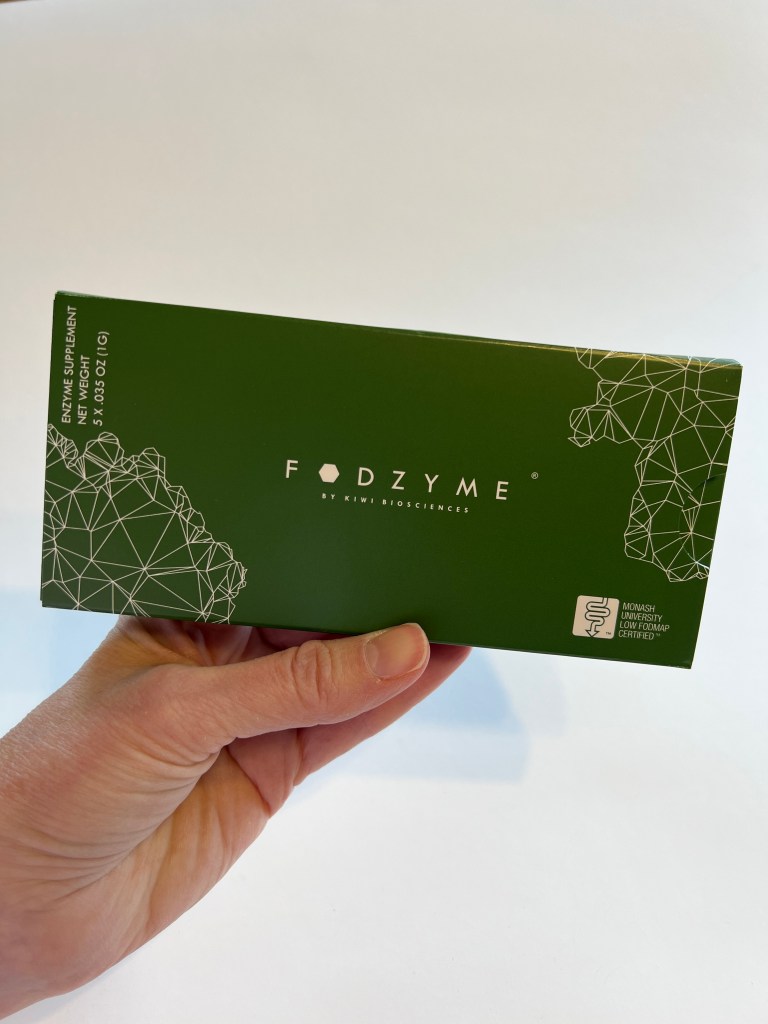
Gut Issues? Try FODZYME – Because Food Shouldn’t Hurt

FODZYME

Irritable bowel syndrome?

Non-celiac gluten sensitive?

GOS intolerant (some nuts, beans, root vegetables)?

Trouble with garlic and onions?

Having other digestive issues?

Let’s talk FODZYME.

I am trying this new enzyme formula to help with my digestive issues. It’s called FODZYME. I just sprinkle the tasteless odourless powder (enzymes) on my food that I know causes gut and gastro issues. So far it has been helping me enjoy food without pain and tummy troubles. If you are like me, you will be looking for a solution!

I am a FODZYME affiliate which means if you use my discount code you can get 10% off. Let me know if you are interested in learning more. I have patient handouts I can share. Try the “Assessment” tool to see if FODZYME may be right for you.

>>>> https://www.fodzyme.com/angelaggentile

Discount code: ANGELAGGENTILE

Angela G. Gentile, MSW, RSW