Yoga – Kickstart Your Practice with a 30-Day Challenge

Photo by Mikhail Nilov on Pexels.com

I have challenged myself to a 30-Day Yoga program for the month of May (2023). Six days in and I am already feeling the benefits. I created a Facebook group with about 20 other women, and every day we have a short instructional yoga video to follow from the comfort of our own home. We are enjoying the yoga videos from “Yoga With Adriene” on YouTube. We are doing the challenge called, “Center.

Yoga has been practiced for thousands of years and is a powerful tool for improving physical, mental, and emotional health. It is a discipline that combines physical postures, breathing techniques, meditation, and mindfulness to create a state of harmony and balance within the body and mind. For middle-aged women, who often juggle multiple responsibilities and experience changes in their bodies, incorporating yoga into our daily routine can provide numerous benefits. Caregivers are also finding that yoga can help reduce stress and improve coping.

Physical Benefits of Yoga 

One of the most obvious benefits of yoga is the improvement of physical health. Yoga helps to increase flexibility, strength, balance, and endurance. As we age, our bodies become less flexible, which can lead to stiffness and pain. Yoga postures, or asanas, are designed to gently stretch and strengthen muscles, improving range of motion and reducing the risk of injury.

Yoga is also an excellent form of exercise for building strength. Many yoga postures require holding the body in challenging positions, which can help to build muscle and improve overall fitness. Additionally, yoga helps to improve balance and coordination, which can reduce the risk of falls and injuries.

Mental and Emotional Benefits of Yoga

In addition to the physical benefits, yoga also has numerous mental and emotional benefits. Practicing yoga has been shown to reduce stress, anxiety, and depression. Yoga helps to calm the mind and relax the body, which can reduce the production of stress hormones and promote a sense of wellbeing.

Yoga also promotes mindfulness, which is the practice of being present in the moment and fully engaged in whatever is happening. This can help to reduce negative thinking patterns and improve mood. By practicing mindfulness, middle-aged women can learn to focus on the present moment, rather than worrying about the past or future.

The 30-Day Yoga Challenge

For those who are new to yoga, it can be helpful to set a goal of practicing yoga every day for 30 days. This can help to create a habit of practicing yoga regularly and reap the benefits of this powerful practice. 

Here are some tips to help you get started:

1.Start with a beginner’s yoga class or online tutorial. It is important to learn the proper alignment and breathing techniques before attempting more advanced postures. Check out the YouTube channel, “Yoga with Adriene,” for a wide selection of free easy-to-follow yoga videos. Adriene has many 30-Day Yoga programs that you can choose from. 

2. Make time for yoga in your daily routine. Set aside a specific time each day for your yoga practice, whether it is first thing in the morning or before bed.

3. In addition to a yoga mat, use props, such as blocks and straps, to help you get into the postures. This can help you to achieve proper alignment and prevent injury.

4. Set achievable goals. Don’t try to master advanced postures right away. Instead, focus on building a strong foundation with the basics. Modify the poses and build your endurance. 

5. Stay motivated by tracking your progress. Use a journal to document your daily practice and how you feel before and after each session. This can help to keep you motivated and focused on your goals.

Yoga is an excellent practice for those who want to improve their physical, mental, and emotional health. By incorporating yoga into your daily routine and setting a goal of practicing every day for 30 days, you can experience the many benefits. With patience, persistence, and dedication, you can build a strong foundation and achieve a sense of harmony and balance within the body and mind.

Angela G. Gentile

Written with the help of ChatGPT

How to Get Dementia – Top 10 Tips (Satire)

A break from my usual programming…

I have been reading a lot about how to prevent dementia. My books on dementia caregiving have made me think a lot about how we can prevent getting dementia or some other form of neurocognitive disorder such as Alzheimer’s. Dementia is a condition in the brain that affects our capacity to remember things, process information, and organize our thoughts. It can impact our ability to make safe and wise choices and it can affect our language and movement. I have been listening to webinars, reading books, and scanning the Internet for organizations who have authority on the subject. Here’s a satirical piece on the subject, a break from my usual kind of writing.

Top Ten List of Ways to Increase Your Chances of Getting a Dementia Diagnosis

1.Live a very long life. The older we get, the better our chances are to get dementia. Dying at a younger age can work against you if you really want to experience the joys of dementia. If you are lucky, you may end up getting early-onset dementia which is when it comes when you are under the age of 65.

2. Don’t exercise. Stay very sedentary. The less you move, the better it is for dementia to set in. The less stress you put on your heart and your muscles, the more chances your brain and vascular system has to suffer the consequences of very slow and gentle blood circulation. Moving more and getting your blood pumping would deliver more oxygen and healthy cells to your organs, so the less chances of that happening, the better.

3. Smoke and drink alcohol. The more you smoke and drink, the better. If you started smoking and drinking (they go hand-in-hand!) at a younger age, that would definitely increase your chances for getting dementia. If you haven’t smoked or drank in your life, you should start now. The unfiltered cigarettes are the best. Any kind of alcohol is perfect (just remember if you don’t want to get cancer or heart disease, you may faced with a difficult decision.)

4. Eat lots of junk food. The more sugar in your diet, the better! Dementia (and cancer – what a bonus!) loves sugar. If you have diabetes that is even better. Poorly managed blood sugars can also increase your risk for stroke and heart attack. They don’t call dementia Type 3 diabetes for nothing. Eat whatever you want to your hearts content. Just avoid nutritious meals like what they recommend for the MIND or Mediterranean Diet (you know like lots of fresh fruits, vegetables, nuts, and seeds). They say “What’s not good for your body is not good for your brain” so that’s a good mantra to put on repeat. The more processed foods you can add to your diet would be very advantageous. And while you are at it, stop drinking so much water. That way you don’t have to piddle so much (that tip comes from my mom!).

5. Invite and create lots of stress in your life. Studies show that stress can cause lots of stress on your system which can lead to lots of bad things happening in your body – including cognitive decline. It would be advisable to avoid things like meditation, self-care, having fun, and taking breaks. If you are still of working age, find a job that is really stressful that pushes you to the limits. You may also end up getting high blood pressure, anxiety, and sleep deprivation, so these combined can really enhance your chances of getting some sort of brain drain and cognitive problems.

6. Stop doing novel things. If you like to be bored and thrive on doing nothing new, this is the perfect thing for you! Keep on turning down opportunities that can enhance your learning. Your brain will feel good and learn how to build new neural pathways, so this is a no-no when it comes to wanting an unhealthy brain. Traveling can also cause an increased risk of learning and expanding the brain cells. People who want to get dementia stop traveling and especially refuse to learn new things such as a new language or take a dance class.

7. Welcome and encourage head injuries. If you want to increase your chances of banging up your head and causing some damage, you can do risky things like riding a bike without a helmet, or be in a motorized vehicle without a seatbelt (one downside of not wearing a seatbelt is that you may be fined or you may get a really bad body injury, not just a “traumatic brain injury” or even death). If you are a bit unsteady when you walk, don’t use a cane or walker. Using mobility aids can help prevent you from falling, and therefore it could help prevent a bonk to the head. Taking a risk to go from here to there with the walker will only decrease your chances for bumping the old noggin.

8. Try not to sleep so much. The less sleep you get, the better. Your brain cleans itself at night, so the less sleep you get, the less chance your brain has to clean itself. It’s better to let the impurities build up in hopes it could cause some build of of plaques and maybe even tangles (I am not quite sure how the plaque and tangles form, but I am thinking it may have something to do with poor sleep habits.)

9. Avoid contact with others. Stay in to win! One of the best ways to get dementia is to stay home on your own, most of the time. If you live with family or have a roommate, try to avoid them as much as possible. They say the more you converse with and interact with people, the more healthy your brain is. If you play bridge or scrabble, stop playing it. The brain is stimulated by sitting with others, strategizing the next move, and it’s really bad for (helps reduce the risk of) dementia. “Just say no!”

10. Don’t correct your poor vision or hearing. Toss away your glasses and hearing aids. It has been proven that if you can see and hear well, it reduces your chances to get Alzheimer’s and other forms of dementia. I am not completely sure of how that works, but they are learning that people who have poor hearing and don’t wear hearing aids have a bigger chance of getting dementia. Same goes for difficulties with vision.

What other things can we do to help ourselves get dementia? I want to hear it!

Angela G. Gentile, MSW, RSW

Cycling to Work for 30 Years

27 Apr 2021

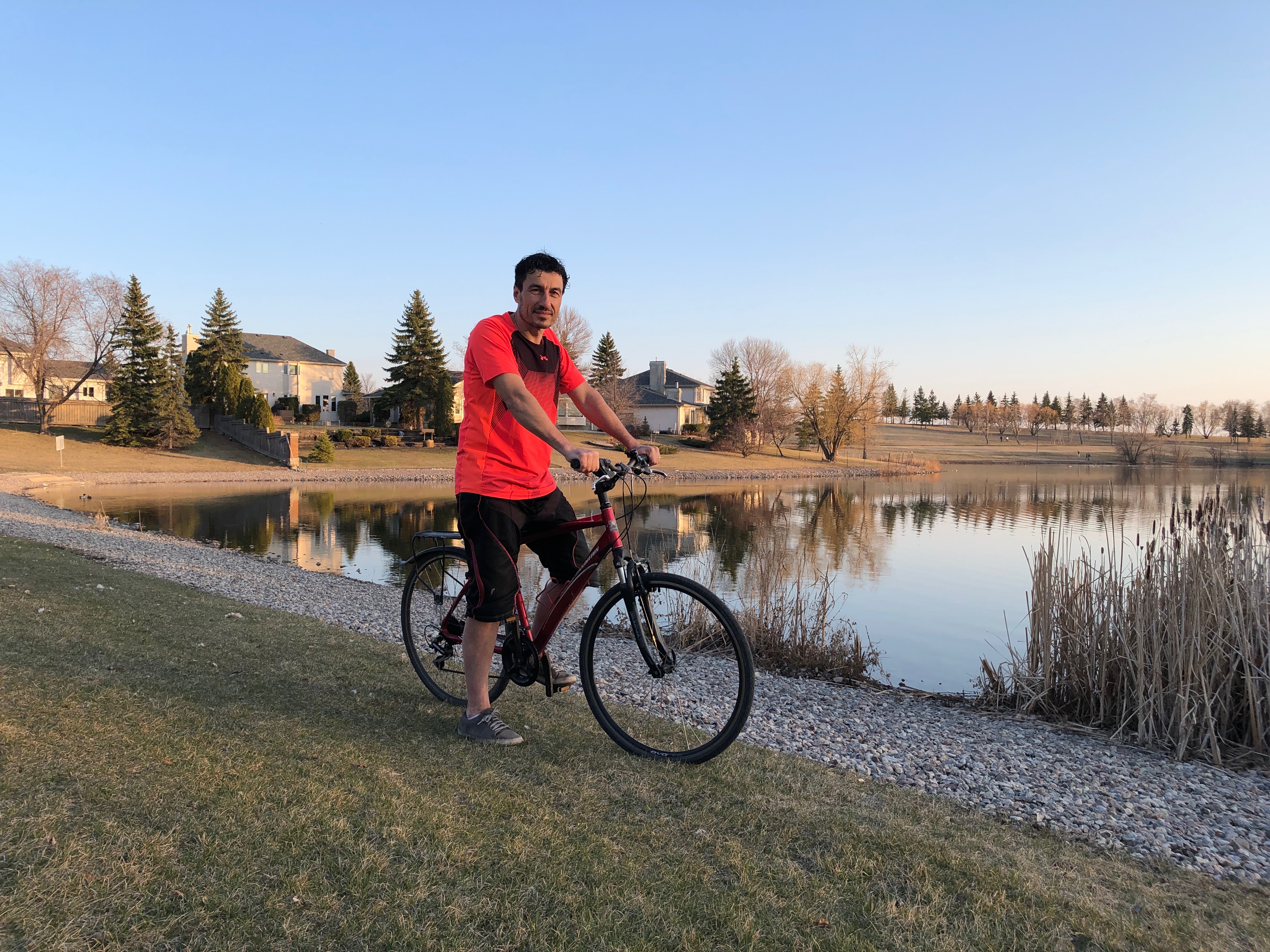
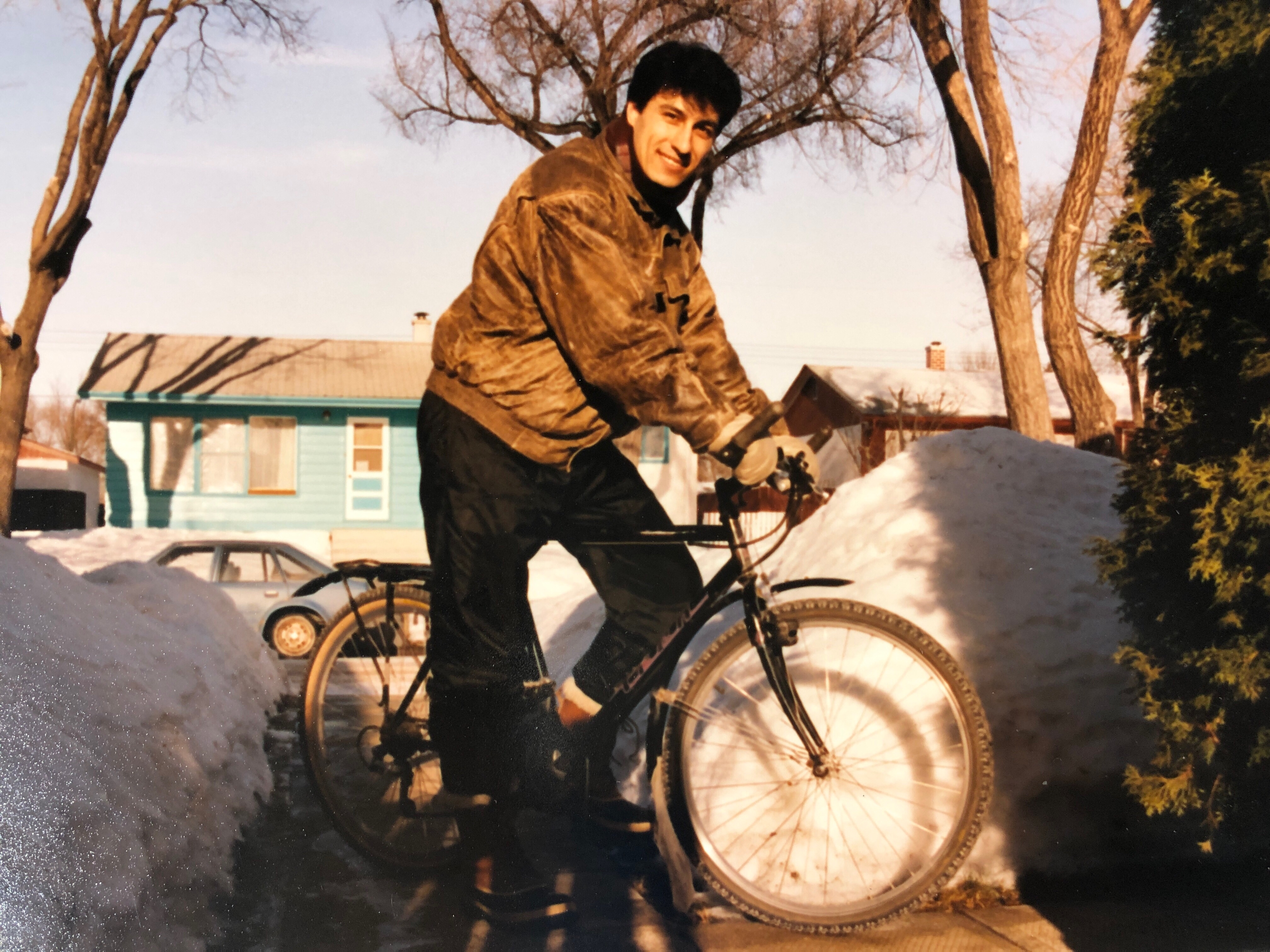
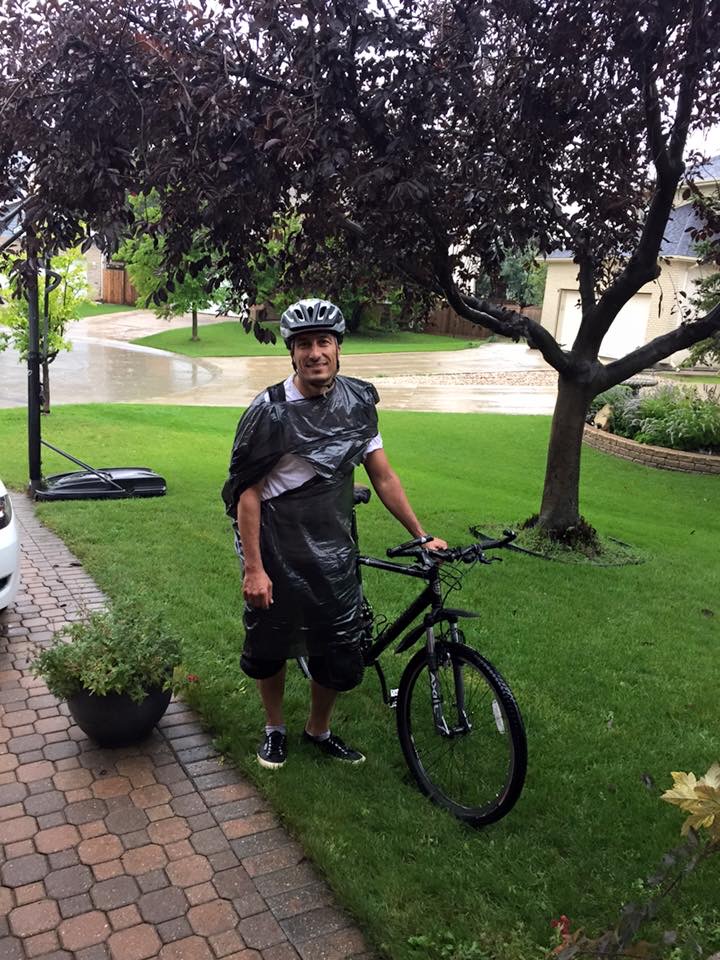
My husband, Agapito, has been cycling to work for the past 30 years. He remembers back in 1991 when he made the decision to ride his bike to work. We were married in 1990, and that winter we had moved into our first house. He had started taking the bus to work, but he found he didn’t like the public transit system. So, he started riding his bike. He never looked back.

Spring 1992. No helmet!
30 Nov 2020

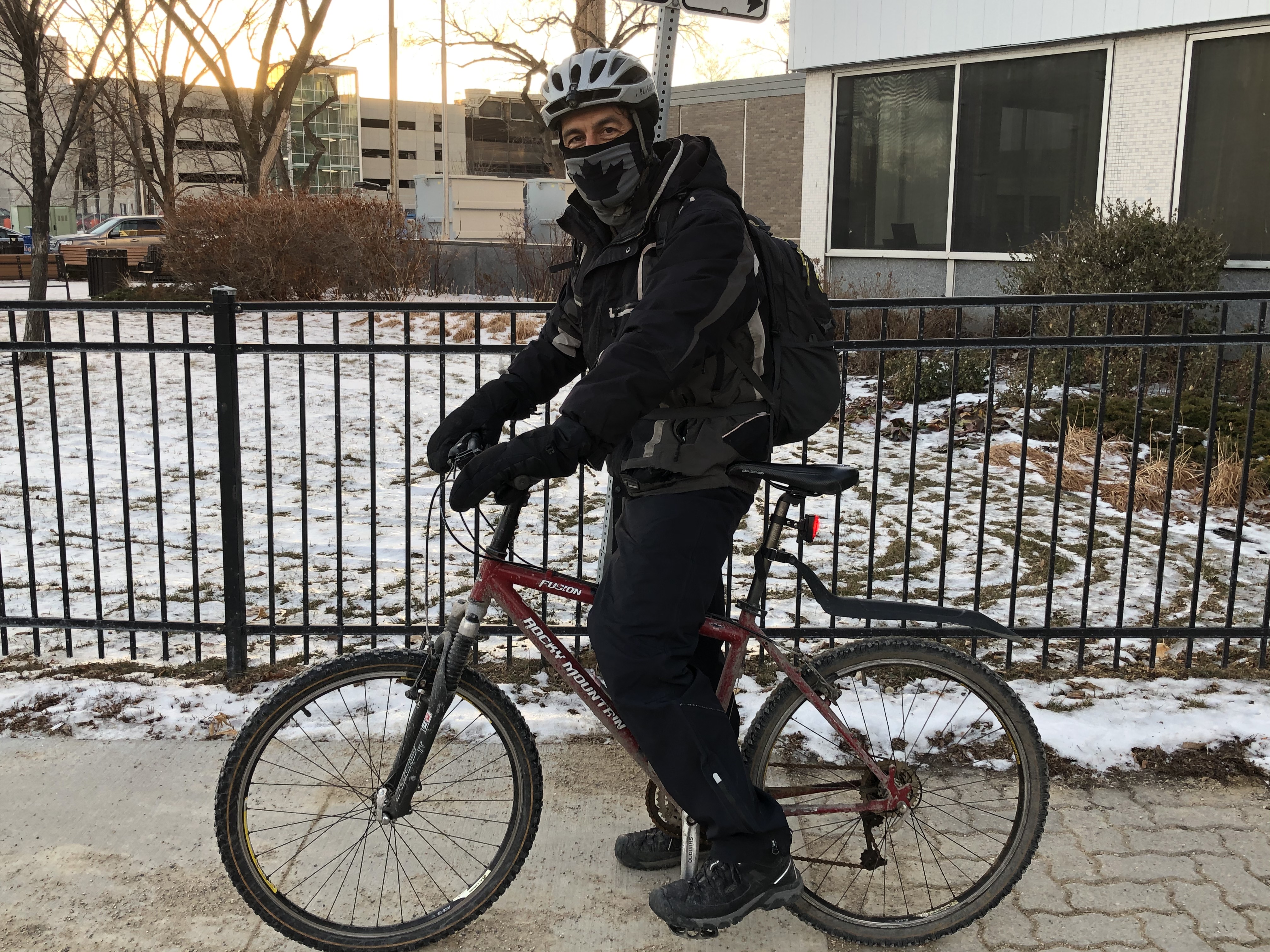
He rides in all kinds of weather. Winnipeg winters can be brutally cold.

26 Jan 2021

His face covering gets all frosty in the cold weather. The winters are hard on bikes and he figures he went through about 7-8 so far. He has always bought used bikes.

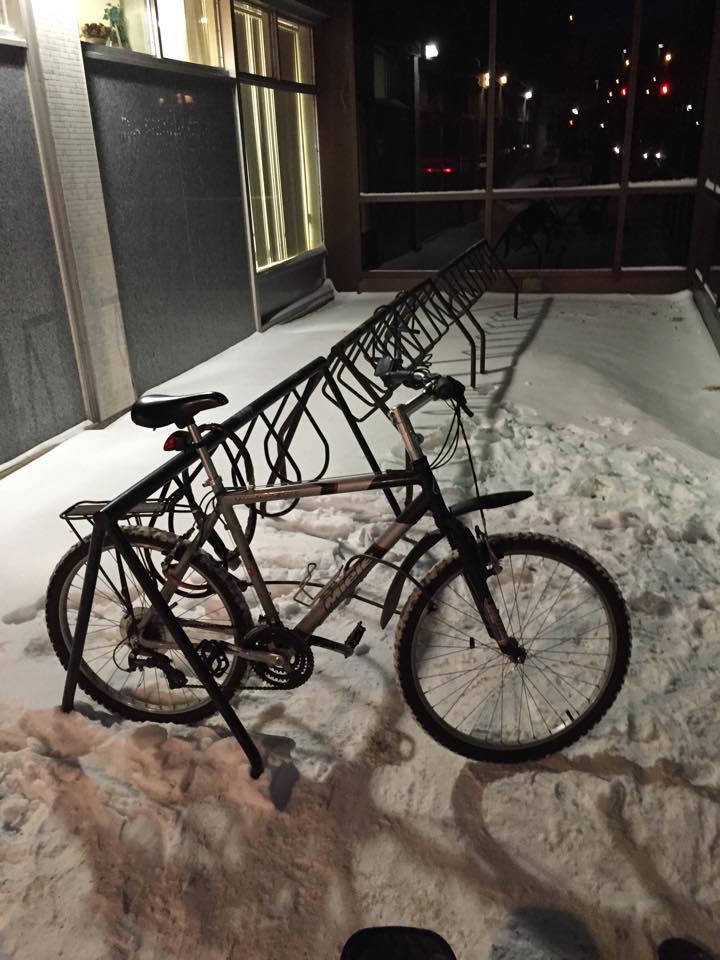
04 Dec 2014 – “Tip of the day: Lots of free, all-day parking all over the city, even downtown.” 
04 Sep 2015 – “Got a bit of rain on the commute home. Managed to keep all my valuables dry under the garbage bag.”

He rides rain or shine!

I wonder how long he will continue to ride his bike?

27 Dec 2021

Congratulations on 30 years of cycling, Agapito! I wish you many more years of riding your bike.

Angela G. Gentile

How to Prevent Heart Disease — The Number One Cause of Death Worldwide

fruit-2135855_1920

Image by Bruno Glätsch from Pixabay

Heart disease is the number one killer, worldwide. Prevention is key. Although these ten points were written for healthcare professionals,  there are a few points that we can incorporate into our own lives. In the first point, we are to be encouraged to aim for a healthy lifestyle throughout life. It’s never too early or too late to start living a heart-healthy lifestyle.

It is also important to note points four and five — the heart-healthy diet and exercise recommendations. Making healthy choices 80% of the time is what we are aiming for. Knowledge is power.


Top 10 Take-Home Messages for the Primary Prevention of Cardiovascular Disease

American Heart Association, 2019

1.  The most important way to prevent atherosclerotic vascular disease, heart failure, and atrial fibrillation is to promote a healthy lifestyle throughout life.

2.  A team-based care approach is an effective strategy for the prevention of cardiovascular disease. Clinicians should evaluate the social determinants of health that affect individuals to inform treatment decisions.

3.  Adults who are 40 to 75 years of age and are being evaluated for cardiovascular disease prevention should undergo 10-year atherosclerotic cardiovascular disease (ASCVD) risk estimation and have a clinician–patient risk discussion before starting on pharmacological therapy, such as antihypertensive therapy, a statin, or aspirin. In addition, assessing for other risk-enhancing factors can help guide decisions about preventive interventions in select individuals, as can coronary artery calcium scanning.

4.  All adults should consume a healthy diet that emphasizes the intake of vegetables, fruits, nuts, whole grains, lean vegetable or animal protein, and fish and minimizes the intake of trans fats, processed meats, refined carbohydrates, and sweetened beverages. For adults with overweight and obesity, counseling and caloric restriction are recommended for achieving and maintaining weight loss.

5.  Adults should engage in at least 150 minutes per week of accumulated moderate-intensity physical activity or 75 minutes per week of vigorous-intensity physical activity.

6.  For adults with type 2 diabetes mellitus, lifestyle changes, such as improving dietary habits and achieving exercise recommendations, are crucial. If medication is indicated, metformin is first-line therapy, followed by consideration of a sodium-glucose cotransporter 2 inhibitor or a glucagon-like peptide-1 receptor agonist.

7.  All adults should be assessed at every healthcare visit for tobacco use, and those who use tobacco should be assisted and strongly advised to quit.

8.  Aspirin should be used infrequently in the routine primary prevention of ASCVD because of lack of net benefit.

9.  Statin therapy is first-line treatment for primary prevention of ASCVD in patients with elevated low-density lipoprotein cholesterol levels (≥190 mg/dL), those with diabetes mellitus, who are 40 to 75 years of age, and those determined to be at sufficient ASCVD risk after a clinician–patient risk discussion.

10.  Nonpharmacological interventions are recommended for all adults with elevated blood pressure or hypertension. For those requiring pharmacological therapy, the target blood pressure should generally be <130/80 mm Hg.

Arnett et al. 2019 ACC/AHA Guideline on the Primary Prevention of Cardiovascular Disease

https://www.ahajournals.org/doi/pdf/10.1161/CIR.0000000000000678

Age well, my friend.

Angela G. Gentile, MSW, RSW

The ​Long Road to Recovery

IMG_7093

Anyone who has had or has cancer or any other chronic illness or disease knows there is a certain amount of time when they feel they are truly on the road to recovery, recovered, or have discovered their “new normal.” I am one of those people.

I was diagnosed with anal cancer in April 2017. I finished treatment in August 2017. One and a half years later, I can say I am starting to feel “recovered” for the most part – “still recovering” in other areas –– and have discovered my new normal.

My new normal includes ongoing and long-term physical rehabilitation as a result of pelvic radiation damage. I am not complaining (radiation saved my life!), I am just sharing that although some people look great after a big ordeal like cancer, there could be ongoing battles that you may know nothing about. Invisible wounds and scars are very common for people who have experienced cancer.

Recently I attended an art show, and I received a few compliments on my appearance (the picture above was taken at the end of a Hawaiian vacation last month). I know I am feeling much better physically, and my self-image is shaping up. My hair is almost all grown back and highlighted again; I am back to yoga once weekly, and I have started back on my elliptical and doing stretches and weights. I even started wearing my FitBit again. My modest goal of 6,000 steps daily is still a ways away, but at least I am working towards it.

I have also been enjoying my new “intermittent fasting” lifestyle and my relationship with food. I am feeling in control of my life and my body. It’s taken almost two years, but I finally feel like each day I feel better and better.

I am enjoying moderating and managing support groups on Facebook. The “Anal_Cancer Support” group on Facebook is doing amazingly well and has recently achieved the 10-year milestone and the 300th member. Having cancer has expanded my social network by leaps and bounds. A profound and harrowing experience can bring more people into your life – if you want it. You just have to open up and ask for it.

The “Dementia Caregiver Solutions Support Group” is also growing and the admin team recently expanded to include two new moderators who are actual caregivers. They join three professionals to moderate and keep things on track. I find comfort in knowing I have given caregivers this safe forum to share, vent, and get advice for such a difficult time in their lives.

I am also pursuing other volunteer opportunities to help me reach more people who may benefit from my experience, passion, and support. I seem to have an infinite amount of “help” to give, and I am looking for ways to do so –– in a way that will keep me balanced and not over-taxed.

I continue to write for a company called Trualta. I am enjoying my writing projects and look forward to writing for more companies and individuals as the opportunities present themselves.

I am also helping people get married, sort out their problems, write books, develop websites and more. I am starting to consider finishing up my book on aging well (this will be my fifth book!).  Where all this will take me? Who knows. The long road to recovery takes us places that we never dreamed of. I am looking forward to continuing on this journey.

Angela G. Gentile, MSW, RSW


Chair Exercises for Older Adults or those with Mobility Limitations

chair-in-field-785232_1920

Photo credit: jill111 – pixabay.com

I was approached by Joseph Jones at California Mobility to provide my recommendation on how to help an older adult with dementia stick to an exercise routine. My comments are in the article 21 Chair Exercises for Seniors: A Comprehensive Visual Guide.

This extensive guide on chair exercises for older adults (or anyone with mobility issues) includes easy-to-follow videos, helpful images, and lots of great tips on chair exercises. These exercises can be adapted for anyone! Please check out the article for helpful tips on keeping active, at any age.

Age well my friends!

Angela G. Gentile, MSW, RSW