1 in 2 Canadians Will Develop Cancer in Their Lifetime; 89% Will Be 50 and Older

a3e4d4_2161a15a5f1241e99aa172358b73c6demv2

With age comes the increased risk for certain diseases and health problems. At age 51 I was hit with a diagnosis of cancer. When I reviewed the statistics and information on cancer and who gets it, I was quite surprised to realize that one of the risk factors is aging. There were other things I learned about cancer that was quite alarming. I think we all want to believe we are immune to it. It can strike anyone, anytime, but those 50 and older are more susceptible.

“Ageing is another fundamental factor for the development of cancer. The incidence of cancer rises dramatically with age, most likely due to a build-up of risks for specific cancers that increase with age. The overall risk accumulation is combined with the tendency for cellular repair mechanisms to be less effective as a person grows older.” – World Health Organization

The Canadian Cancer Society states cancer is the leading form of death in Canada and is responsible for 30% of all deaths. The most common types of cancer are lung, breast, prostate, and colorectal (not including non-melanoma skin cancer). Most people who are affected by cancer are aged 50 and older. In fact, 89% of all cancers occur in those 50 and up.

Unfortunately, 1 in 2 Canadians (49% men and 45% women) are expected to develop cancer in their lifetime; 1 in 4 will die from cancer.

Research is always being done and we know that about half of all cancers can be prevented by lifestyle choices. The Mayo Clinic states there are seven things we can do to reduce our cancer risk:

  1. Don’t use tobacco.
  2. Maintain a healthy body weight and be physically active.
  3. Eat a healthy, well-balanced diet.
  4. Get vaccinated (Hep B and HPV)
  5. Practice sun safety.
  6. Avoid risky behaviour (practice safe sex, don’t share needles).
  7. Get regular medical care (cancer screening tests)

More Cancer Prevention Tips

Cancer is caused by changes (gene mutations) to the DNA within cells. The cells receive errors and normal functioning is interrupted, allowing the cell to become cancerous. Some of these mutations are inherited from your parents, and others you acquire after birth. There are a number of known triggers that can cause gene mutations, such as smoking, radiation, viruses, cancer-causing chemicals (carcinogens), obesity, hormones, chronic inflammation and a lack of exercise. Who and why someone develops cancer while others do not still remains a mystery for the most part. Research is ongoing to answer these questions.

There are over 100 types of this life-threatening disease. There is currently no cure for cancer, but there are treatments that help extend life (such as chemotherapy, radiation, and surgery). Early detection is the best way to help ensure the best chances for survival. Unfortunately, many cancers don’t have any symptoms until it has spread to lymph nodes or other organs. Cancer often gets found when patients are having tests done for other health concerns.

The 10th common cancer found in women that can be successfully treated and prevented if detected early is cervical cancer. Regular screening for this type of cancer is recommended and it is performed in the doctor’s office. This is called a Pap test.

Lung cancer, colorectal cancer, breast cancer (in women) and prostate cancer (in men) are most frequent types of cancers that develop in those 50 and older. 2 out of 3 people who get lung cancer are aged 65 and older and the average age of diagnosis is 70. Lung cancer is the leading cause of cancer death in both men and women. Smokers are at a high risk for lung cancer.

Cancer screening looks for cancer before it causes symptoms. When I turned 50, I remember getting a notice in the mail for me to get a test to check for blood in my stool. The Canadian Cancer Society recommends screening for early signs of health problems that could lead to cancer. The areas that they recommend screening for those who are “older” are:

  • Breast cancer – breast exam, mammography
  • Colorectal cancer – Fecal Occult Blood Test
  • Other screening tests include digital rectal exams and prostate cancer screening.

Although age is the number one risk factor for cancer, a family history of cancer is the second risk factor. Those who have close family relatives who have developed cancer should discuss this with their doctor. The third risk factor is obesity. Achieving or maintaining a healthy weight can reduce the risk of some cancers.

Cancer is a disease that no one likes to think about or talk about. It’s a condition that affects people of all ages but is more commonly found in those 50 and older. There are steps that can be taken to reduce our risk of getting cancer, and there are screening tests that can be done when we are feeling well. Being in tune with our bodies, reporting any unusual symptoms such as pains, bleeding, lumps or sores that don’t heal to your doctor are important steps in early detection.

Angela G. Gentile, MSW, RSW


Resources:

Cancer Fact Sheet, World Health Organization. Feb. 2017. http://www.who.int/mediacentre/factsheets/fs297/en/

Canadian Cancer Statistics 2017. http://www.cancer.ca/en/cancer-information/cancer-101/canadian-cancer-statistics-publication/?region=bc

Mayo Clinic – https://www.mayoclinic.org/healthy-lifestyle/adult-health/in-depth/cancer-prevention/art-20044816

Cancer – Diseases and Conditions, Mayo Clinic. https://www.mayoclinic.org/diseases-conditions/cancer/basics/causes/con-20032378

Key Statistics for Lung Cancer, The American Cancer Society. https://www.cancer.org/cancer/non-small-cell-lung-cancer/about/key-statistics.html


purple-swirl-separator-hi

Angela G. Gentile  MSW, RSW is a clinical social worker and author of four books, including Cancer Up the Wazoo: Stories, information, and hope for those affected by anal cancer (2018). She lives in Winnipeg, Manitoba with her husband and has two adult children. She is the creator of the Facebook community – “Aging Well for Women.” For more information, visit: www.AngelaGGentile.com


Ways to Improve Your Memory Skills Podcast Interview

Angela-Gentile-Episode-Image

I had the pleasure of being interviewed by Kathe Kline in March 2017 for the Rock Your Retirement Show and it went live on 23 Oct 2017. Have a listen to my 30-minute audio only podcast (it’s like a radio show) to hear me talk about various topics including tips on how to improve memory skills. You can play it off your device, or download and listen to it later. There is a freebie on this as well, you just have to sign up to get a copy of it (see link below).

Link to the interview – Ways to Improve Memory Skills

Here are links to the show in popular smartphone apps:

iTunes

Stitcher

iHeartRadio

I have also provided a Freebie for the listeners – Five Strategies to Help Improve Memory Skills.

After you’ve had a listen, please feel free to comment on the Rock Your Retirement Show interview link page (see link above), or down below, here. Or just send me a personal note.

About Rock Your Retirement and Kathe Kline.

Rock on!

Angela G. Gentile

purple-swirl-separator-hi

Angela G. Gentile  MSW, RSW is a clinical social worker and author of the book, “Caring for a Husband with Dementia: The Ultimate Survival Guide”, “A Book About Burnout: One Social Worker’s Tale of Survival” and the “Dementia Caregiver Solutions” app for iPhone and iPad. She lives in Winnipeg, Manitoba with her husband and has two adult children. She is creator of the Facebook communities – “Aging Well for Women” as well as “God, Cancer and Me.” For more information, visit: www.AngelaGGentile.com


Aging Specialist Offering Two New Courses This Spring (Winnipeg)

7fd3c75caf166af80aef7cb58709152dWinnipeg, Manitoba – There are two new courses being offered by Angela Gentile, a registered clinical social worker. Angela has a Master’s degree in Social Work and a graduate specialization in aging. She has worked with many older adults and their families and she has written two books and an app. She is passionate about helping people and exploring what it means to age well. Attend these informative and interactive sessions and get Angela’s professional advice. Come away feeling confident and empowered.

10 Tips for Graceful Aging

Learn what you can do to help yourself thrive in your middle years and beyond. The dimensions of wellness will also be covered.

►Date and Time: Tuesday April 25, 2017; 7:00 – 9:00 pm.

►Location: St. James Civic Centre, 2055 Ness Avenue, Winnipeg Manitoba.

►Fee: $25.00

When a Loved One Has Memory Loss

Are you living with or do you know someone who has been experiencing memory loss and you’re not sure how to help? Get some information and tips on how to approach this sensitive and difficult topic.

►Date and Time: Thursday May 11, 2017;  7:00 – 9:00 pm.

►Location: St. James Civic Centre, 2055 Ness Avenue, Winnipeg Manitoba.

►Fee: $25.00

Registration Information:

Both courses are listed in the City of Winnipeg Leisure Guide, Spring/Summer 2017 pages 69 and 70. See page 4 of the guide for registration information which begins Wednesday March 15, 2017 at 8:00 am. It can be done online, by phone, or in-person. Limited spots available!

Contact Angela toll-free at: 1-(855) 974-4219 or online at www.AngelaGGentile.com for more information.

Eternal Love

rose-heart

Image courtesy of Ben Schonewille at FreeDigitalPhotos.net.


As a geriatric specialist, I hear all kinds of stories. A nurse colleague told me this touching love story (I have changed the details to protect anonymity). – Angela G. Gentile, MSW, RSW.


One time I was speaking to a man who told me the love story about his parents Gerald (82) and Mary (80) who both had dementia. They had been married for almost 60 years.

Gerald’s dementia was more advanced that his wife’s so he was moved into a Personal Care Home. Mary moved into a seniors’ residence, which was attached to the long-term care centre.

Soon after, Mary’s needs progressed to the point where she needed to be moved into the Personal Care Home as well.

Gerald had no memory of his wife, but soon fell in love with his new neighbour, Mary (who was actually his wife.) He spent every waking minute with her.

One day, Mary needed to be rushed to the hospital. Not long after her hospital admission, she died.

After having no luck finding his love again, Gerald gave up. He died 37 days after Mary’s death.

It looks like eternal love is possible after all.


purple-swirl-separator-hi

Angela G. Gentile  MSW, RSW is a clinical social worker and author of the book, “Caring for a Husband with Dementia: The Ultimate Survival Guide”, “A Book About Burnout: One Social Worker’s Tale of Survival” and the “Dementia Caregiver Solutions” app for iPhone and iPad. She lives in Winnipeg, Manitoba with her husband and two adult children. She is passionate about all things related to Aging Well. For more information, visit: www.AngelaGGentile.com


This Self-Help Book for Caregivers Educates, Supports and Comforts

THUMBNAIL_IMAGE

When I titled my book “Caring for a Husband with Dementia: The Ultimate Survival Guide” (2015) I did not expect to have people mistakenly assume that I am a wife caring for a husband with dementia. The warmth and sympathy I receive from people who don’t know me personally has been incredible. I gently explain that I am not a wife caregiver and that the book is inspired by the experience I had in counseling eight amazing caregiving women.

When I was deciding on a topic for my master’s degree final project, I decided to focus on older women. I explored what issues are affecting them, and the subject of caregiving came up quite often. I did some research on the subject and discovered that there was very little written about women who care for husbands with Alzheimer’s or a related dementia. My career as a geriatric clinician and social worker exposes me to many different mental health issues, and dementia is unfortunately a common one. I quickly became an expert in assessing and screening for dementia, and recognizing the symptoms of caregiver stress and burnout.

The short-term, individual counseling program I designed, implemented and evaluated with eight caregiving wives was very rewarding and successful. It inspired me to want to help others like the women I had learned so much from. What started out as a small booklet turned into a 16-chapter book. “Caring for a Husband with Dementia” was written specifically to help women who care for husbands who have been diagnosed with a dementing illness such as vascular dementia or Alzheimer’s disease. I dedicated this book to caregiving wives, everywhere.

Writing this book came surprisingly easy to me. I called it a “Divine Intervention.” I received help from colleagues and other experts in the field who generously donated their time reviewing, editing and offering feedback. It is a unique, informative and therapeutic self-help type of book. The book offers opportunity to make it personal for the reader. There is space for self-reflection on important questions. Don’t know what to “Google” to find your local resources? I’ll help with that, too. There is a listing of helpful and important resources, plus more.

All of the reviews and feedback I have received thus far has been very positive. Some of the more helpful feedback has been that this book is written not only for wives, but for all caregivers. I have been told this book is like a bible and it is kept at the bedside and is read every night. It’s a reference guide, a companion, and a source of education and support. It’s like a year’s worth of therapy all in one book.

I know this book has helped spouses and other caregivers. They have told me, “Everything I was thinking, feeling and wondering about was written in this book.” I am honoured to be able to help those who are struggling with the issues of diagnosis, getting help, difficult behaviours, grief and loss, legal issues and more. I have been at book signing events where even men say they want their wives to buy this book as they want them to be prepared – “…just in case.”

My hope is that this book reaches those who are in need of education, support and tips on how to survive the difficult task of caring for a loved one with dementia. It is also a great gift for someone in need.

Angela G. Gentile, MSW, RSW

Link to original article on #AlzAuthors, published 23 Nov 2016.


purple-swirl-separator-hi


Angela G. Gentile  MSW, RSW. is a clinical social worker and author of the book, “Caring for a Husband with Dementia: The Ultimate Survival Guide”, “A Book About Burnout: One Social Worker’s Tale of Survival” and the “Dementia Caregiver Solutions” app for iPhone and iPad. She lives in Winnipeg, Manitoba with her husband and two adult children. She is passionate about all things related to Aging Well. For more information, visit: www.AngelaGGentile.com

Family Estrangement – When a Parent’s Heart Aches to Reunite With a Child

id-10067121

Image courtesy of Stuart Miles at FreeDigitalPhotos.net

I have assessed hundreds (perhaps thousands) of older adults over the past 16 years. Sometimes it was for Home Care eligibility, and other times it was for a mental health assessment. On occasion, I will interview someone who talks about an adult child who he or she hasn’t talked to or heard from for years. It is often an emotional topic. The term we use for this is estrangement. Family estrangement is when there is a physical or emotional distancing between at least two family members when one of the parties is not happy with the arrangement.

When older people talk about the estrangement, it is often very painful for them. I often wonder why and when the separation occurred. I wonder who was at fault? Was anyone at fault? Or is this something that just happens naturally between two people? Sort of like what happens to friends or acquaintances sometimes. Is the adult child unhappy with the arrangement? Or is it just the parent?

There was one man in particular I remember who’s heart was obviously broken. He was about 85 years old. He lived in a nursing home. One of the things that was causing him such grief and sorrow was the fact that he had not heard from his son for years. He told me he wanted to contact him so he could feel at peace. I was not able to facilitate this for him. I wish I could have.

What causes estrangements between a parent and child? Perhaps the parent mistreated the child when they were younger, and now the adult child would rather not be subject to any more mistreatment. Perhaps the adult child cannot cope with the changes that aging brings to their older parent. Maybe mental health problems influence the child into not wanting to talk to his/her parent. Perhaps an abusive and controlling mate keeps the person away from their family. Then I wonder, what if the child is feeling the same way and is waiting for the call from his or her parent? (A waiting game called: “Who will call who first?”)

Whatever the reason for estrangement, I have seen a few cases now that cause a parent to be heartbroken in later life. These situations cause feelings of loss, confusion, worry and guilt. I know that as we grow older, many of us want to make peace and right some of our wrongs. Perhaps we want to die without regrets. I am a parent myself, and I can only imagine how difficult it would be to lose a child in that way.

I wonder if there is any hope, ever, to reunite an older adult with their estranged child. If so, how does one go about doing that?

Angela G. Gentile

purple-swirl-separator-hi

Angela G. Gentile  MSW, RSW. is a clinical social worker and author of the book, “Caring for a Husband with Dementia: The Ultimate Survival Guide”, “A Book About Burnout: One Social Worker’s Tale of Survival” and the “Dementia Caregiver Solutions” app for iPhone and iPad. She lives in Winnipeg, Manitoba with her husband and two adult children. She is passionate about all things related to Aging Well. For more information, visit: www.AngelaGGentile.com

Twelve Areas to Consider When Thinking About a Retirement Community with Lifelong Services

id-100468984

Image courtesy of powerbee-photo at FreeDigitalPhotos.net

(This article has been written with guest blogger, Alan Wolkenstein MSW, ACSW)

As family members age, there may come a time when an older person’s needs can no longer be met in his/her current home. It may be unsafe, there may be too many worries, or it may be stressful for all involved. For example, if Mom and Dad lived in their moderate-sized bungalow for the past 40 years, things may change dramatically when one of them passes away. Maybe Mom is now left in this house on her own, and she is overwhelmed with all there is to do. Even with family support, and the supports from other agencies and programs, Mom is still not being cared for the same way she was when dad lived with her. Although Mom does not want to move from the home she has known for so many years, sometimes a move to a more supportive environment is needed. Having this discussion can be difficult.

There are many issues that can arise with respect to an aging family member and housing needs. Illness, finances, mobility, socialization, recreation and access to services are some of the issues that may have to be considered. How does one make the right choice? Should the older family member stay in the house longer, or move to an appropriate “elderly persons housing”? Maybe he/she should move to a retirement community, or a place that also has lifelong service options. Should the person move to a 24-hour care facility like a nursing home? A good quality of life is usually the overall goal.

Conversations About Moving Can Be Difficult

Conversations about relocation may become uncomfortable and anxiety-provoking because they usually consist of making major changes in where one lives, relationships and even in family dynamics. The older person him/herself or other family members may be thinking about these issues, but the conversations may be avoided in order to prevent upset or problems in the relationship. We already know that everyone seems to have a slightly different opinion on the subject.

For those directly involved, the stakes are very high, and previous attempts to have such conversations may have not turned out very well. People can feel unsure of themselves and the older adult may experience that their own wishes may be disregarded by their children who push for changes to ensure a more safe and healthy environment. Relocation usually involves downsizing, a major disruption, adjustment issues, loss, and a change in daily routines. Ultimately, it should also come with benefits that outweigh the negatives.

This may be the first time adult children have seen their parent(s) unsure of themselves, possibly afraid of the future, and even angry or refusing to participate in these talks. It seems that no matter what is decided, many feelings may be hurt and someone will feel disregarded and not appreciated for their wishes.

Conversations About Moving Can Be Welcomed

However, in many situations, the family discussions around this topic go well. For example, an older adult may want to move on. In this case, the family can come together with a unified plan that seems positive and helpful to the whole family. Then the issues become where to look, how to assess, and when to choose a place.

Making Decisions Regarding Housing Needs Can Be Confusing and Complex

For others navigating the housing dilemma, the situation is confusing and complex, and there seems to be no way to satisfy all. In the end, no one feels or experiences satisfaction. If an older person moves into a retirement community following this scenario, the likelihood of a successful adjustment is deeply compromised.

Many situations regarding decision-making related to relocating an older family member require and benefit from professional intervention. Professional assistance could come in the form of:

  • helping the older person and his/her family members choose a suitable place
  • mentor and support the family so they can choose for themselves
  • help them sort through the levels of conflict

12 Areas to Consider When Choosing Seniors’ Housing

The following are a number of questions to be used as a working outline in maneuvering through these scenarios. Each requires input and shared conversation with a guide or mentor to monitor and direct the conversations and the powerful emotions they generate. In order to get answers to these question, you (the person seeking housing and/or the person’s advocate) will have to make arrangements for tours and meetings with key people. A trusted professional or seniors’ organization can help you get a list of possible options to choose from. Keep a log of the answers so when decision time comes, you will have some notes to look back on. The questions are not listed in any rank order of importance, but as they come to our mind as we have worked with older adults and families during these potentially troubling and stressful times. As always, take with you what seems most helpful to your unique situation. Note: These questions are written for the person who will be moving. Sometimes a trusted family member or advocate (someone who knows the older person very well) can assist through this process.

1. Costs and how they will be paid for. Remember that the highest cost establishments may not be the most rewarding one. Many have entrance fees that may or may not be refundable in some degree if you leave or pass on. All require fees for their services. Ask if there are any move-in incentives. What is included in the costs (i.e., meals, housekeeping, recreation, etc.). Do they have a free or low-cost “trial stay” option? In the United States, some may take Medicare. In Canada, some of the facilities may be government subsidized. Get the facts down right. Higher cost is not always an indicator of better service and dedication to you. You may also want facts about the establishment’s financial health to guarantee their viability.

2. Location, location, location. How far is it from your family and friends? How close or far are familiar places such as services, restaurants, theatre, clubs, church or synagogue? Are there plans to establish all these in the retirement community once there, or will your time be split? Remember that connection with important people in your life is a definite component of good quality of life.

3. Values and commitment. Ask the management or representative at the establishment about values and commitment to each person. Get this from the people you talk with, not the brochures they send out. While it is good to talk to folks who are available to talk and share their experiences there, they will probably have you speak with the most satisfied members.. Ask for a list of complaints they have received and dealt with. Seek a place that shares your values about what is important in your life and maintaining a high quality of life: continuity here is also important to your quality of life. Ask what procedures are in place to ensure they uphold their commitment to these core values. Ask how these core values are implemented and evaluated. Are they open to improvements? Is there a “Comment Card” system where the residents/tenants can forward their comments and concerns anonymously? Alternatively, what avenues are in place to motivate, celebrate and encourage outstanding service and achievements by staff?

4. Religious affiliation is only part of the equation. Try not to select by religion alone. You may find the system falls far short of meeting your overall needs. While many families share they receive much comfort if the community is of their religion, this does not guarantee a successful placement.

5. Processes in place to ensure a warm welcome and adjustment. What processes are in place to help you or your loved one transition into their system and become part of their “community”? Who is the “go-to” person if there are questions?

6. Supports to help with the adjustment. How will they assist you or your loved one in coping and adapting to their environment? You or your loved one may find it more complicated and anxiety-provoking to move through the process of adjusting there. Who are the staff and what are their qualifications to do this with you or your loved one?

7. Availability of care and counseling after a major life stressor. Many people and families seek out a place following a serious loss to them, such as death of a loved one; illness; financial problems; or diminished ability to provide activities of daily living (ADLs). Attempting to adjust now can strain an individual’s ability to cope and adapt. How will the community provide care and counseling? Does administration view the need for counseling as necessary for enhanced quality of life for some tenants/residents? Is this included in the overall fee? Is it an add-on expense? If counseling is an additional expense (versus an available built-in service), administration does not view this need as a normative cost to them.

8. Counseling and advocacy for relocation concerns. Most people have some degree of ambivalence and uncertainty about such an important move. Who is there to smooth the way and champion their concerns?

9. Counseling for family members. What family counseling services are available to your family? Not all of us have made our amends with our family, dealt with the issues that cause us strife and worry, and resolved any family guilt or anger between members.

10. Regular assessments to assist with adjustment. Are there regularly scheduled assessments of how you or your loved one is coping and adapting? Who are the people and what are their qualifications?

11. Health services. Your health is crucial. How do they incorporate physicians, nursing, and allied health services into their system?

12. Future care needs. What does the facility offer in terms of long-term care needs? Do they adhere to an “aging in place” concept? Meaning, if your health or condition declines, do they continue to support you in their facility, or do you have to move again? Ask them how long you could stay, and what are the reasons you may be asked to leave (“Exit-criteria” or reasons for “eviction”).

We have listed for you 12 areas of concern we feel are important. There are certainly more and some may be equally as important or more important that any on this list. Think for a moment what they might be for you or your loved one. You may be surprised how these questions and concerns bring other ones to the surface. For example, is there a pet involved? Is the pet welcomed?

Reconsidering a Move

What if you began to rethink about your loved one remaining in their home? What services would they need? What services would they accept? Where would the funds come from? Is this just a temporary measure, and if so, would it give everyone time to breathe easier and simply let the person remain in his/her home for a little while longer? Would this be reasonable for a family with many different opinions? Would it be reasonable for an older person who may perceive these service providers as strangers intruding their home further solidifying their sense and awareness of growing frailty and needs?

Seek Professional Consultation

Consider a consultation by a specialist during this challenging time. Seek out someone who has the experience and expertise to guide you and your family with and through this process. Meeting with this person can illuminate a path that you may not have thought of, and provide guidance to see you through.

Many older adults and their families find selecting appropriate seniors’ housing and the accompanying transition somewhat stress-free. Many do not. If your loved one or family is finding this transition difficult, there is help available. There are many fine people in the community to serve you. Start by discussing with your loved one’s mental health professional or doctor. Start by making an appointment.

We wish you and your family well.

Alan S. Wolkenstein, MSW, ACSW
Clinical Professor of Family Medicine (Ret.)
University of Wisconsin School of Medicine and Public Health
Wolkenstein and Associates, LLC
Mequon, Wisconsin, 53092
Alan.Wolkenstein@gmail.com

Angela G. Gentile MSW, RSW
Specialist in Aging


purple-swirl-separator-hi


Angela G. Gentile  MSW, RSW. is a clinical social worker and author of the book, “Caring for a Husband with Dementia: The Ultimate Survival Guide”, “A Book About Burnout: One Social Worker’s Tale of Survival” and the “Dementia Caregiver Solutions” app for iPhone and iPad. She lives in Winnipeg, Manitoba with her husband and two adult children. She is passionate about all things related to Aging Well. For more information, visit: www.AngelaGGentile.com

Watch Your Step! Fall Prevention Tips

used-image-courtesy-of-simon-howden-at-freedigitalphotos-net

Source: Simon Howden, Free Digital Photos.net

Did you know that one in three Canadians over the age of 65 will fall this year?

Some of these falls are life-threatening. In fact, falls are the leading cause of injury-related hospitalizations of older adults in Canada (Smith, Wager & Elliott, 2010). In 2004 Statistics Canada reported falls cost the health care system an estimated $2 billion.

In Canada, falls are the leading cause of head injury hospitalizations in adults (Canadian Institute for Health Information). Thirty-five percent of injuries from a fall result in broken or fractured bones (Statistics Canada). The cost to the health care system and to personal quality of life is staggering.

It is important to know the risks and to prevent falls from happening.

These falls happen everywhere; be it in the home, the community or in long-term care. There are some helpful online risk assessment tools and other resources to help older adults who are at risk, or who simply want to be pro-active in fall prevention. A study done in 2009/10 showed that fall related injuries from simply walking comprise forty-five percent of self-reported injury. (Statistics Canada, Community Health Survey).

Self-Assessment for Older Adults Who Live Independently

For older adults who live alone, the Staying on Your Feet website provides a self-assessment questionnaire for older adults, called Prevent Falls Check-Up. Once completed, a Check-Up report is provided which offers a variety of suggestions and tips for falls prevention. The main message here is that most falls are preventable, and steps can be taken to reduce risk.

Safety is far more important than what preventative and risk-reducing measures “look like.”

Concerns about getting in and out of the bathtub? Arrange to have grab bars installed. The Canadian Mortgage and Housing Corporation has released guidelines on the best placement for grab bars for maximum effect and ease of use. We have to get past the idea that grab bars may make us look weak or frail.

Taking medication? For those on three or more medications who are experiencing bouts of feeling light headed or dizzy, regular medication reviews are recommended. Medication adjustments may be required to help reduce unwanted and potentially harmful side effects that can cause an increased risk for falls.

Could the home surroundings be made safer? When a person has lived in a place for many years, they tend to not see where improvements can be made. If the person tires easily, perhaps a relative can help select rest areas where small chairs can be set to provide breaks. If the person tends to walk the same path through his/her home, move furniture to ensure a clear pathway.  If a small pet tends to get underfoot, install a bell on its collar. Move commonly used kitchen items to easy-to-reach areas to reduce the need for step stools. For hard to reach items, never stand on a chair – always use an appropriate stool or short step-ladder made for such a purpose, and preferably one with a handle at the top to provide steady support.

Is footwear safe? Slippers or mules with no backs, overly worn soles or shoes that are too tight, can all contribute to falls. Ensure the person has a good pair of well-fitting shoes, preferably without laces that could cause tripping, and with lots of room in the toe box. Wear these shoes in the house. Shoes that move with one’s feet will help reduce falls in the home.

Problems with blood pressure? Postural hypotension, or a sudden lowering of blood pressure when changing head elevation, is common among those 65 and older. A good tip is to get in the habit of sitting on the edge of the bed for a few seconds upon awaking before standing up. This allows the blood pressure to adjust to reduce the risk of dizziness upon rising.

Overactive bladder? If bladder incontinence or urgency poses problems, rushing to the bathroom can be a fall risk, especially in the night, and especially for homes where the bathroom is not close to the bedroom. Consider purchasing a bedside commode. The commodes of today are much more user-friendly and attractive than in our grandmother’s day, and we should not be embarrassed to install one in our bedroom. Purchase a screen to hide it during the day if embarrassment is an issue.

Need to use the stairs? Falling on stairs is the third most reported reason for falls, (Statistics Canada, Community Health Survey) after walking and snow/ice slips. 12 Steps to Stair Safety at Home is a one-page checklist on stair hazards and ways to look at stair issues effectively. First and foremost handrails should be on both sides of the staircase and should be used in every instance, no exceptions.

fall

What to Do After A Fall is a poster that can be printed off and kept in various places around the home. It is especially recommended for those who live alone and have already experienced a fall.

Personal Response System to Ensure Safety

If the risk for falls is high or family members are concerned about their loved one falling, one popular option is to get a personal response system. The Philips Lifeline AutoAlert service is a great optional feature that will automatically summon help if the person falls. There are many other such services and some of them are:  ADT, Alert1, Bay Alarm, Care Innovations, LifeAlert, LifeFone, LifeStation, Medical Guardian, Mobilehelp, and RescueAlert. Some research may be needed to find the one right for the circumstances, and these may not all be available in Canada. Some people are worried about the appeal of wearing a device such as a necklace or bracelet but modern technology makes many of these devices appear as regular jewellery. In Canada, Costco stores provide two such devices – Medical Alert and Direct Alert.

Buddy Systems

Although there are reportedly only one fifth as many falls in residential care facilities as in private homes (according to Statistics Canada), it is still important to be aware of fall risks and prevention strategies in seniors’ residences.

Some seniors’ residences have a buddy system or a safety check program in place. Examples would be where the tenant puts a door knob hanger or other signal (garbage can for example) outside their doors at night and remove them in the morning to signal that all is well. Alternatively, a phone call once or twice a day can ensure one’s safety with the added bonus of social interaction.

The Prevalence of Falls in Long-Term Care and Residential Facilities

Some people who live alone move into long-term care settings because of their complex medical needs and increased risk for falls. Nursing Home (NH) residents who fall are at risk for injury such as a fractured hip or other bones. Sometimes a fall results in death.

The Winnipeg Regional Health Authority listing of Critical Incidents Reported to Manitoba Health from October 1, 2013 – December 31, 2013 identified 34 NH resident falls over the three-month period. One of these falls resulted in death. Seven of the falls were witnessed by a staff member, and 27 were unwitnessed. Of these unwitnessed falls, 16 resulted in a fractured hip and a trip to the hospital for surgical repair.

According to a 2008 Winnipeg Regional Health Authority publication, the Personal Care Home View, 18,868 falls were reported in nursing homes in Winnipeg in one year. Most falls occurred in residents’ rooms on evenings and weekends.

Falls Risk Assessment Tool for Long-Term Care Facilities

The Johns Hopkins Falls Risk Assessment Tool (FRAT) helps identify the level of risk in NH residents, based on the following criteria:

  • Recent falls
  • Medications
  • Psychological factors
  • Cognitive status

If a person has had recent falls, it increases the risk for a repeat occurrence. Certain medications, such as sedatives, antidepressants, antipsychotics, anti-Parkinson’s, antihypertensive, diuretics or hypnotics can also increase risk. Psychological factors such as dementia, anxiety, depression, decreased cooperation, impaired insight or judgment (esp. re: mobility) also increases risk for falls. Finally, the higher the level cognitive impairment, the higher the potential for an incident.

The overall FRAT score is out of 20, with a higher score indicating increased risk. A low, medium or high Fall Risk Status is identified on the resident’s care plan. For those with identified risks, intervention strategies can be formulated, and referrals to other specialists may be initiated. For example, a geriatric psychiatrist or pharmacist may be consulted to review medications. Additionally, an occupational therapist may be required to assess mobility to determine the need for mobility aids and appropriate footwear. For example, hip protectors may be recommended. Also, anti-slip etching can be applied on the floor around the bed and most certainly should be in the bathroom in the shower area.

Identify, Prevent and Reduce Risk

Most falls can be prevented, and education is key. If You Fall is a guideline that can be kept on hand regarding what to do if a person has a fall including “How to get up” and the importance of “Telling the doctor.”

Regular exercise can help strengthen muscles and keep the body limber. It can also help with balance issues. Seek out the help of a qualified professional such as a physiotherapist for a tailor-made exercise program.

A healthy balanced diet and regular doses of sunshine (or Vitamin D) are also important to help keep bones and muscles strong and healthy.

Whether the older adult is living independently or in a long-term care setting, education and assessment can help identify, prevent and reduce the risk for falls. If you are keen on the subject, consider holding an awareness month, week or day like the Fall Prevention Awareness Month promoted in British Columbia and consider what kinds of activities you would like to include.


Angela G. Gentile, MSW, RSW

August Janice Bailey, Dip. Herb, HCA

 

purple-swirl-separator-hi

Angela G. Gentile, M.S.W., R.S.W. is a clinical social worker and author of the book, “Caring for a Husband with Dementia: The Ultimate Survival Guide”, “A Book About Burnout: One Social Worker’s Tale of Survival” and the “Dementia Caregiver Solutions” app for iPhone and iPad. She lives in Winnipeg, Manitoba with her husband and two adult children. For more information, visit: www.AngelaGGentile.com

August Janice Bailey, Dip. Herb, HCA is a Health Care Aide, an herbalist, a writer, and a falls prevention researcher and analyst. She is interested in many aspects of healthy aging including  nutrition and movement strategies. She works with seniors to reduce fall risks in their homes. August lives on the West Coast in Courtenay, British Columbia with her daughter. She can be reached through LinkedIn.


Additional References/Resources:

Government of Manitoba (2014). Critical Incidents Reported to Manitoba Health. Retrieved from http://www.gov.mb.ca/health/patientsafety/docs/ciq31314.pdf

Preventing Falls in Older Adults – Winnipeg Regional Health Authority, Manitoba, Public Health Resources  http://www.wrha.mb.ca/community/publichealth/PREVENTINGFALLSINOLDERADULTS_000.php

Partners Seeking Solutions with Seniors and Manitoba Pharmaceutical Association. Date Unknown. Fall Prevention: How does what I take or what I drink affect my risk of falling?  Retrieved from http://mpha.in1touch.org/uploaded/web/Legislation/Practice%20Resources/PSSSFallsPreventionPamphlet%20Updated%20Nov2014.pdf

Scott, V., Wager, L. and Elliott, S. (2010). Falls and Related Injuries Among Older Canadians. Retrieved from http://www.hiphealth.ca/media/research_cemfia_phac_epi_and_inventor_20100610.pdf

Statistics Canada (2014) Seniors’ Falls in Canada: Second Report. Retrieved from http://www.phac-aspc.gc.ca/seniors-aines/publications/public/injury-blessure/seniors_falls-chutes_aines/index-eng.php

Winnipeg Regional Health Authority (2008). Personal Care Home View, April 2008. 5:4. Retrieved from http://www.wrha.mb.ca/ltc/pch/files/PCHView_Apr08.pdf

Supports and Services for Older Adults in Gravenhurst, Ontario

untitled-2

Image source: Muskoka Pest Control


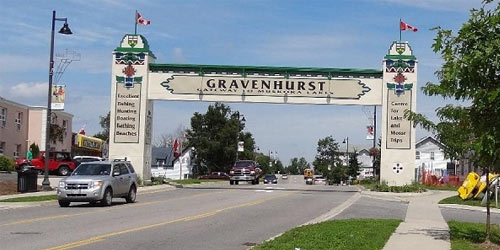
I have aging relatives in Gravenhurst, Ontario. I went there for a visit in August 2016. While there, I was looking into the services and resources available to older adults. What I found, or should I say didn’t find, was quite alarming.

The Aging in Place Strategy for Canada is great in theory, but providing resources and services to meet the needs of the aging population is proving to be quite the challenge.

Gravenhurst is a small, pretty lake town located just 90 minutes north of Toronto. It has a population of 12,179 according to the Gravenhurst Community Profile 2013. A whopping 23% of the residents are 65 and older (compared to 14.6% in all of Ontario). This community is growing older, and the needs of this aging population are also growing.

In the summer the population swells due to the number of cottagers who escape the summer heat to their cool lakeside getaways. Some of the cottages on Lake Muskoka are huge! I took a tour with William of Big 3 Tours and he showed us some cottages that are 1-5 million dollar price range. Celebrities such as Martin Short own cottages in the area.

In terms of at risk seniors and meeting their needs, it seems like Gravenhurst is lacking in the basics. I was told to call “211” to speak to a nurse about health care resources. The lady on the line was very helpful. I ended up talking to a few very nice and well-meaning individuals and sometimes my conversations went full-circle without any definite answers. It seems like there is no one place for all the information I was looking for which proved to be very frustrating. I spent a few hours on the phone but came up with some answers and resources which I’ll share here.


Meal Delivery

There are no hot Meals on Wheels available in Gravenhurst due to the lack of available volunteers. There are services available in Bracebridge, a neighbouring community which is a 15-minute drive north. In Gravenhurst, the only option recommended to me is a company called Apetito.ca. They will deliver frozen meals once monthly. All of the information is online, so it can be difficult for those who do not have access to a computer, or do not know how to use a computer. It appears to me that the only meals on wheels available to older adults are the fast food restaurants such as McDonald’s and Tim Hortons which also conveniently have a drive-thru. I am also assuming that the local grocery stores have ready prepared meals, which may be a better option. For those with special diets (cardiac, diabetic, gluten free), this can pose a challenge.


Housekeeping and Yard Work (Home Support)

homesupport

Image source: Closing the Gap Healthcare

In terms of housekeeping, the Ontario government does not offer any services. In Winnipeg, to those who cannot afford to hire privately. In Gravenhurst, I was given a few different private companies to follow up with:

Seniors for Seniors – 1-705-645-0199 (Tom)

Closing the Gap Healthcare – 1-877-560-0202

Happy at Home Support Services – 1-705-703-9980 (light housekeeping and yard work)

Bayshore Healthcare – 1-705-722-8993 (Barrie office)

Red Cross Community Support Services – 1-705-721-3313

Busy Lizzie Cleaning Services – 1-877-207-8718 or 1-705-687-6183


Transportation

van1

Image source: Muskoka Seniors

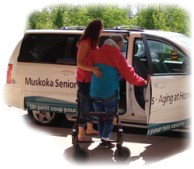
There are two taxi companies in Gravenhurst – OK Taxi (705-684-8294) and Gravenhurst Taxi (705-687-2246). I’ve been told that Red Cross will provide transportation to the nearest hospital  if needed (South Muskoka Memorial Hospital), which is in Bracebridge, at 75 Ann Street. There are two bus companies that serve Gravenhurst – Ontario Northland for service north or south, and the Corridor 11 bus which can take you directly to the front door of the hospital in Bracebridge for $7.00. OK Taxi will pick you up from the hospital and bring you back to your home in Gravenhurst for $25.00. (Prices from 2017 and subject to change without notice.)

Aging at Home Vans or Registered Volunteers are offered through Muskoka Seniors.


Housing for Seniors

In terms of seniors’ housing, there are a few options. There are “retirement residences” and a “long term care” facility.

The Manor at Gravenhurst (operated by Lifetimes Living Inc.) is a quaint little 40-bed retirement residence I toured in August 2016. It was originally a hotel, and there are studio apartments with attached washrooms, studio apartments with shared washrooms, and double rooms (two studios with an attached washroom). All meals, medications, housekeeping, laundry, recreation and parking are included in the rent which ranges from $1,900/month to $4,000/month. Residents are free to come and go as they please and the ages range from 60 to 100. 1-705-687-3356.

Granite Ridge Retirement Residence Assisted Care – 1-705-687-0007

Muskoka Shores Care Community – Transitions operated by Sienna Senior Living (formerly Leisure World) – 1-705-687-3444

The Pines Long-Term Care Home – 160 beds, located in Bracebridge.

Affordable Housing Programs

Social Housing (Low Income Housing) 


Other Important Resources

Your doctor. Physicians have access to and knowledge of resources that I may have missed here.

North Simcoe Muskoka Community Care Access Centre  (CCAC)- Accessing Home Care services. Office located in Huntsville, Ontario. 1-888-721-2222 or 1-705-721-8010

Seniors Assessment and Support Outreach Team (SASOT) – Operated out of the hospital in Bracebridge. I spoke to a very nice person there, and she says they “dig deeper” and all you need to do is get the doctor to make a referral to their team. 1-705-645-4400. ext. 3505.

Muskoka Seniors – Helping Seniors Live at Home. 1-705-789-6676.

Assisted Living Services for High Risk Seniors – Currently a six-month wait list. Services provided by The Friends (1-705-697-5100, ext. 22). It is a not-for-profit organization. There is also an Adult Day Program available for socialization and a meal. It costs $15 a day and $2 for transportation one way. There is a wait list of about six months. The wait list for homemaking is five years. They do not do yard work. For information on Assisted Living Services for High Risk Seniors, go through the CCAC case manager or call 1-888-721-2222 or 1-705-721-8010.

Long-Term Care Homes in North Simcoe Muskoka – 9-page document with information on long-term care homes.

North Simcoe Muskoka Healthline – Online listing of health services in the area.

The District of MuskokaSeniors Wellness Outreach Coordinator, 1-705-645-2412, ext. 444.


seniorscentre

Image source: Seniors Centre – Town of Gravenhurst


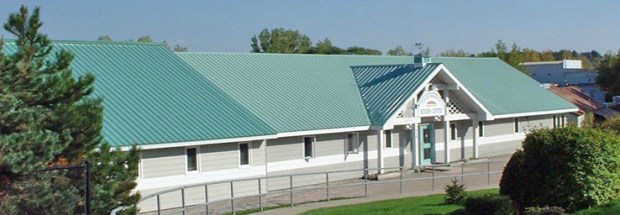
Seniors Centre – The Town of Gravenhurst has an active seniors’ centre and there is plenty of socialization and things to do for those wanting to remain active and involved.


Working Towards Age-Friendly Solutions

As I was doing my research, I was happy to find out that the District of Muskoka is working on a Master Aging Plan with assistance from an Age-Friendly Community grant received from the Ontario government. Here is a link for more information on how you can get involved: www.muskoka.on.ca//AgeFriendlyCommunities. I hope that they will be able to fill in the gaps soon to enable the residents of Gravenhurst remain in their homes as long as possible.

Overall, I would say that it is a very complex and frustrating experience to get information on services for older adults in need in Gravenhurst. The Seniors Wellness Outreach Coordinator at The District of Muskoka was most helpful. Those who have limitations or who have limited family support will especially find it difficult to get the services they require. If you have any further information to add to this list, please let me know in the comments below.

If you are planning a trip to Gravenhurst, check out the travel guide on wikivoyage for more information. For current events, check out the Muskoka Region News.


purple-swirl-separator-hi


Angela G. Gentile, M.S.W., R.S.W. is a clinical social worker and author of the book, “Caring for a Husband with Dementia: The Ultimate Survival Guide” and the “Dementia Caregiver Solutions” app for iPhone and iPad. She lives in Winnipeg, Manitoba with her husband and two adult children. For more information, visit: www.AngelaGGentile.com

Memory and Aging Program™ is Motivating and Uplifting


MAP_Logo_Baycrest_Health_Sciences_large

Creative Retirement Manitoba – Memory and Aging Program™

I first heard Dr. Ronak Patel, clinical neuropsychologist, speak about the Memory and Aging Program™ last fall here in Winnipeg. This is an evidence-based program that comes out of Baycrest Centre for Geriatric Care in Toronto, Ontario. Many of us fear developing dementia in our older years, and many of us start to get worried when we have memory problems. Now there is a program to help enhance memory skills that works. (It doesn’t prevent Alzheimer’s or related dementias, however.)

I met up with a friend, Sherry Cels, a retired social worker, who completed the Memory and Aging Program™. She says it is a very popular program, and there is a wait list for people who want to go. It’s very popular with those 60 and over who are experiencing memory problems.

For Sherry, at 70, she was worried about her own cognitive health and memory skills. One of her parents had Lewy Body dementia, and she was concerned she may have inherited the condition.

I asked her, if after taking the course, was she still worried about developing Lewy Body dementia and she replied,

“There is no predicting that. But for now, I believe my memory problems are very normal for my age group. Sharing with others in the class helped me see that.”

Not everyone has problems in this area, but she learned it is quite normal to experience changes and there are things that can be done to combat these memory problems. I asked her to tell me about the Memory and Aging Program™ she attended.

logo.png

The workshop was $150.00 and it is held at the classroom at 1075 Portage Avenue in Winnipeg (The Creative Retirement Manitoba office). Free parking is available. The building has an elevator, but unfortunately it isn’t reliable. Space is limited to 25 participants. They met once weekly for five sessions, of two-hours duration (1:30-3:30pm). She said everyone, except for one man, attended every session. No one stayed home!

They are given a 74-page participant workbook, “A Practical Guide to Managing your Memory: Memory and Aging Program™.” It has “Baycrest” on the cover, and it is authored by Dr. Angela K. Troyer and Dr. Susan Vandermorris. It’s unfortunate that the binding is already falling apart, but the content is very useful (it’s well-used!). This was the book that Dr. Patel used during the course. It includes worksheets and space for notes. Each participant had “at home” activities to complete between sessions.

The content includes three sections:

  1. The Science of Memory
  2. Memory Strategies
  3. Putting your Skills to Practice

The main focus of the course was on the Memory Strategies portion. The acronym SHARP is used, which stands for:

SHARP:

  • Seeing and Saying

  • Habits

  • Associations

  • Records

  • Practice Retrieval

4a633c666b74a911cc5dc23cfab3ec79

Sherry learned about associations, and how it can help her learn names. For example, she has a beautiful garden in her backyard. In order to remember the names of flowers, she makes an association with them. She doesn’t forget the name of the “climbing” Clematis anymore. She is able to remember her license plate by giving each letter a name of the people she knows or knew. I was impressed when she told me the names of the new neighbours, including their kids names, based on association!

She uses the same purse she’s had for years because it helps with remembering where everything is. This is an example of the the “Habit” strategy she learned about. This made me well aware of the fact that I need to decide what purse pocket to put my keys in because I can never remember which pocket I put my keys in! Sherry learned we can develop new habits to help us remember things more easily.

Sometimes habit can backfire though. We laughed as we could both relate to our forgetfulness in the shower. For example, we both use shampoo and conditioner. We sometimes forget if we’ve used the conditioner or not!

“Hmm, let me think? Does my hair feel like it was conditioned? Did I use conditioner?”

To help correct this memory issue, we are to pay attention to what we are doing, instead of doing activities on autopilot. At least if we put our seat belt on without thinking about it, we can easily check to make sure it’s fastened. This reminded me of the term “mindfulness” and how we can be more in tune with our actions if we pay more attention and be mindful of what we are doing.

brainmapprintv4_green-1008x661.jpg

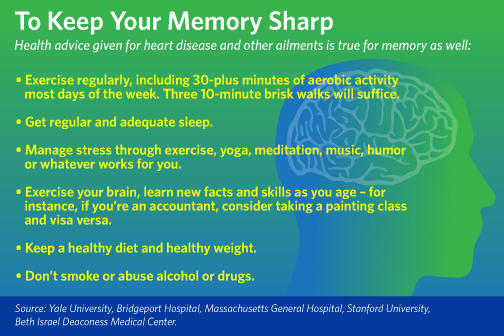
Deep breathing and visualization (such as meditation) is recommended for managing stress and promoting relaxation.

An important part of the program is keeping a log of your activities. The program recommends at least 100 minutes a week of physical activity (to get the blood flowing to the brain for good brain health) and cognitive activity which includes brain exercises and socializing with others. Good nutrition is also an important part of nurturing our bodies and brains for good brain health.  Canada’s Food Guide can also be helpful.

Sherry and I were also discussing the different ways we prefer to learn and remember things. I like to write things down, as doing this can help me remember. How many of us write our shopping list out, then can still remember the items on the list although we forgot the list at home? When receiving and retaining information, some of us need to see it, others need to hear it. Some of us may also say it out loud to ourselves to help remember. Others like to do or act it out. The four main learning styles are: Visual, Auditory, Kinesthetic (movement) and Tactile (touch). Exploring what your preference is and implementing it can make a big difference in remembering.

The main takeaway for Sherry was the emphasis on lifestyle and memory strategies. She felt very uplifted. The group discussions among the participants were quite helpful. She says with the cocooning phase of a Winnipeg winter, she found her “memory slipping,” and this course has motivated her to make lifestyle changes, such as “more physical and cognitive activity.” Adding to this, several new strategies practiced in the five weeks of the course has resulted in an improved memory and more positive attitude. She would highly recommend it anyone 60 or older who is experiencing mild memory problems.

Memory_Sharp


Angela G. Gentile, MSW, RSW

http://www.AngelaGGentile.com