Ways to Boost Your Mental Health Without Overhauling Your Life [Guest Post]

Image via Pexels

By Sharon Wagner

When you think about mental health, what usually comes to mind? Therapy, maybe
medication, or yoga classes on a quiet Saturday morning? Sure—those matter. But your
brain and body crave more than just the standard checklist. Mental well-being doesn’t need
to be a whole new lifestyle. Sometimes, what helps most are subtle, unexpected
shifts—ones that trick your brain into feeling more alive, more grounded, or more at peace.

Plant Something With Your Hands

There’s a quiet kind of magic in dirt under your nails. Even a small container garden or a
few pots on your windowsill can trigger a reset. Science increasingly points to how
gardening calms anxiety
by reducing cortisol, inviting rhythm into your routine, and
reconnecting your senses with the natural world. The act of nurturing something slow-
growing pulls you back into the present—no screens, no pressure, no performance. Just
breath, soil, and the steady hum of becoming.

Create With AI, Not Just Your Hands

Creativity doesn’t need to start with blank paper. Some of the most powerful
breakthroughs come from letting tools do the heavy lifting. With modern technology, AI
painting in visual arts
lets anyone, regardless of training, visually express ideas, memories,
or moods in seconds. It’s not about becoming an artist—it’s about tapping into your own
emotional processing in a language that words don’t always reach.

Use These Mental Health Apps

You don’t need a complicated system to get started—just a phone and a few minutes. These
apps, widely used in Canada, are changing how people get access to support:

PocketWell (Wellness Together Canada companion) — Backed by the federal
government, this app offers mood tracking, self-assessments, and direct access to
social workers or crisis responders—all in a private, judgment-free space.
Fello — Designed to connect users with others who’ve lived through similar
struggles, offering real stories from peer-support users without the pressure of
formal therapy.
MindShift CBT — Developed by Anxiety Canada, this app teaches evidence-based
coping skills rooted in cognitive-behavioral therapy. You’ll find exercises for
reframing anxious thinking, managing panic, and building long-term tools.
MindBeacon — This app pairs you with a licensed therapist who guides you
through a structured CBT program. Many Canadian health plans cover it, making
professional care more accessible without traditional barriers.
Calm — Known worldwide but widely adopted in Canada, Calm offers guided
meditations, sleep stories, breathing exercises, and relaxing music. It’s designed to
lower stress, help you sleep, and make mindfulness part of your day.

Give Your Time to Someone Else

You’re stressed, overwhelmed, and stretched too thin. And strangely, that’s why this works.
One of the simplest shifts you can make is volunteering—an hour, a morning, nothing
extravagant. Studies show volunteering boosts life satisfaction by giving you purpose,
relational validation, and meaningful structure outside your personal grind. It reminds
your nervous system that it still knows how to connect—and care—without needing to be
fixed first.

Get Cold—On Purpose

The ice bath trend might feel performative on social media, but its benefits go deeper than
hype. Cold water immersion has become a mental health intervention in its own right.
Researchers explain how jumping into an ice bath can trigger neurological responses that
regulate mood, reduce cortisol, and even promote mental clarity. You don’t need a
tub—start with a cold shower burst. It’s discomfort that teaches your brain how to recover.

Try Virtual Reality Therapy

You don’t need to leave the house to confront your fears. Therapists are increasingly
integrating immersive therapy with virtual reality into treatment plans, especially for
trauma, phobias, and anxiety. The appeal is real: controlled, repeatable exposure in a safe
simulation. It builds desensitization with precision, helping you develop regulation tools
that transfer into real-world situations. Sometimes it takes another world to help you
handle this one.

You don’t need to “be better.” You need more options. Not every strategy will resonate, but
one might shift something. Try it. Small experiments lead to bigger change. And mental
health? It’s a mosaic, not a makeover.

Discover a wealth of knowledge and support with Angela G. Gentile’s insightful books and
resources—visit AngelaGGentile.com to explore her work and connect with a community
dedicated to well-being and caregiving.

Bio: Sharon Wagner pens her thoughts from her personal retreat in Wisconsin. She finds it deeply satisfying to share about a wide range of topics to people across the US and Canada.


How to Thrive in Assisted Living with Confidence and Heart [Guest Post]

Image via Pexels

Sharon Wagner, Wisconsin

There comes a moment when the house that once echoed with life becomes too still, too large, or simply too difficult to manage. The decision to transition into assisted living is rarely easy—it’s emotional, complex, and often wrapped in memories that don’t let go without a fight. But within this major life shift lies an opportunity for reinvention. It’s a new chapter, not a closing one, and how that chapter unfolds depends greatly on mindset, preparation, and a willingness to discover new rhythms of living.

Reframing the Narrative Around the Move

One of the hardest parts of transitioning into assisted living is the sense of loss—of independence, routine, and in some cases, pride. But what helps ease the emotional toll is reframing the move not as giving something up, but as gaining something else. Assisted living communities can offer structured support, safety, and peace of mind, not to mention built-in companionship. It’s not about leaving behind what was, but about choosing what will be—with intentionality and a measure of hope.

The Power of Personal Touches

Turning a new apartment or room into a home starts with the tangible. Bringing familiar objects into the space—family photographs, a favorite armchair, well-loved books—helps preserve identity and continuity. These personal items are more than decoration; they’re emotional anchors. They tell the story of a life well lived and remind both resident and visitor that the move is just geography, not erasure. The more the space feels like theirs, the quicker comfort takes root.

Better Fuel, Better Focus

Healthy eating doesn’t have to mean overhauling your entire routine. Swapping out processed snacks for a handful of almonds, a crisp apple, or a homemade smoothie can give your body what it actually craves—real nourishment. These choices help curb hunger longer and provide steadier energy throughout the day, unlike the crash that follows sugar-heavy drinks or salty treats. With a few simple changes, staying alert and feeling good becomes a habit, not a chore.

Use Staff as a Resource, Not a Crutch

The care team in an assisted living facility isn’t just there to dispense meds or serve meals—they’re daily partners in well-being. Residents who actively communicate with staff about preferences, needs, and boundaries tend to feel more in control. That autonomy matters. It reinforces a sense of agency, which can slip during life transitions. Asking questions, making requests, and even offering feedback strengthens a collaborative environment where dignity leads the way.

Practical Tips to Smooth the Transition

Adjusting to assisted living is easier with a few thoughtful strategies. Here are some grounded ways to settle in and start strong:

  • Plan Visits in the First Month
    Familiar faces help anchor the new routine. Coordinate visits from friends or family during the early weeks to create soft landings after a day of change.
  • Label Personal Belongings
    A simple step, but invaluable in communal living. Marking clothing, books, or items with names ensures possessions don’t wander.
  • Stay Curious
    Trying a new class or hobby—even just once—can lead to surprising satisfaction. Growth doesn’t retire.
  • Keep One Foot in the Outside World
    Staying in touch with former neighbors, attending services, or keeping old routines alive bridges the past and the present.
  • Use the Community Bulletin
    Most residences offer calendars packed with activities. Treat it like a menu—circle what sounds interesting and commit to one new event each week.

Assisted living isn’t an ending. For many, it becomes a doorway to a different version of life—one with community, safety, and moments of joy folded into the everyday. The fear around such a move is real, but it doesn’t have to define the experience. What comes next can still feel deeply personal, still hold purpose, still carry pride. The second act is already underway, and the script is far from finished.

Discover a wealth of knowledge and support with Angela G. Gentile’s insightful books and resources—visit Care to Age to explore her work and enhance your journey today!

***

Sharon Wagner is a former bank manager who now spends her time helping seniors reach health and well-being goals. She created Senior Friendly to offer advice geared specifically toward seniors to help them make healthier choices and enjoy their golden years. She is also the author of the upcoming book, The Ultimate Guide to Senior-Friendly Workouts, Fitness Gear, Healthy Recipes, and More.

An Encouraging and Supportive Time-Out By and For the Caregiver

Today’s guest post is by Brent Hoag. Reprinted with permission. Originally published on Facebook.

*****

A BOND
A PLEDGE
A COMMITMENT
LOVE

A husband caring for his wife
A wife caring for her husband
A daughter &/or son caring for their mother &/or father
A grandchild caring for their grandfather &/or grandmother
A relative caring for someone related to them
A friend caring for a friend
A partner caring for a partner
A human being caring for a stranger
A human being caring for someone they know
Human beings caring for human beings who are vulnerable and in need

I just read for 90 minutes various Posts & Comments in a few support groups that were written by a cross section & diversity of members/caregivers. I don’t often do this for a number of reasons. I was overwhelmed yet again at the pain, despair, grief, and anxiety and so much more that we share in common. And the sadness, oh the sadness in our lives & hearts.

However, in complete candor, I felt such a sudden unexpected pride because of what each of you, & we collectively, are doing. I honestly felt such a sense of pride to be associated with you even though we have never met. I empathize. I cannot overstate the importance of our being able to relate to, & rely upon, one another as caregivers.

This is about feeling privileged & honored about being in a group of people who notwithstanding our sadness, frustrations, challenges, & yes again the exhaustion, are caring for another human being who is so vulnerable. You have not only endured & coped but you have risen above and persevered in spite of daunting challenges in order to care for another human being. You are pushing through an incredible amount of sadness & difficulty in order to care for another human being. You are trying to afford them some peace, comfort, dignity, respect, & level of care that they so desperately need.

Your own selflessness & sense of responsibility & compassion for another human being is making a difference in their journey. We don’t expect or want recognition or applause. That’s not why we are doing this. Why we do it is so personal & can be simple or profound. However, here we are.

Love for another human being is often the most powerful & compelling element that each of us feel and have in our hearts. We then care, share & support.

Tonight I read & read. There are so many of us & we are such a diverse group of people who are at very different places in our journeys with our loved ones. And yet here we are under one “bubble” sharing, empathizing, & supporting.

No cheerleaders, no bands, no celebrations, no speeches, no oscars, no victory laps. However there is something that I want to share with you caregiver to caregiver. We’re “doing it”. We’ll get through this. I understand only too well your sense of humility but now & then we need help to get back up & to carry on & some deserving recognition & praise can give us the ability & required strength. And yet in our very special group of human beings not only are we selflessly caring for another human being but we are lending assistance to one another as caregivers.

You, your steadfast dedication, your ongoing sacrifices, your compassion, your perseverance, your doing the best that you can, and yes your love are a bond that we share. Whoever you are & whatever your connection with the person that you are caring for, I just want you to know how sad it was for me to read so many of your posts/comments but how much of a sense of pride & honour it allowed me to feel during such dark times. Thank you for that.

You are pretty remarkable even though you likely don’t feel that way. Most of us don’t. However, I hope that in some way when you hear it from a fellow caregiver that it resonates with you & that you can carry some of this in your hearts & minds in going forward.

I have sometimes been criticized for my Posts being too long. Caregiving & the challenges that Alzheimer’s/Dementia presents doesn’t often have a short version when it comes to supporting, sharing, & feeling for a fellow human being. In this Post, I could have simply written “I’m proud of you & honored to be associated with you”. However, in my opinion the topic/message was too important to abbreviate, condense, or underemphasize. You deserved so much more than that.

It’s bittersweet for all of us, but I wanted to take a rare “time out” to acknowledge you for what you are doing.

It’s tough. It’s almost impossible at times, but here we are caring as best as we can for a fellow human being. I will never take that for granted & even though it is a long Post it is one of the rare one’s where a caregiver reminds other caregivers just how remarkable they are.

Who knows, when times are especially low, sad, & challenging perhaps you will allow yourself a “time out” to re-read this as a source of encouragement, support, etc. After all, that is one of the reasons why I wrote this, one caregiver to another caregiver. 💜

How to Get Dementia – Top 10 Tips (Satire)

A break from my usual programming…

I have been reading a lot about how to prevent dementia. My books on dementia caregiving have made me think a lot about how we can prevent getting dementia or some other form of neurocognitive disorder such as Alzheimer’s. Dementia is a condition in the brain that affects our capacity to remember things, process information, and organize our thoughts. It can impact our ability to make safe and wise choices and it can affect our language and movement. I have been listening to webinars, reading books, and scanning the Internet for organizations who have authority on the subject. Here’s a satirical piece on the subject, a break from my usual kind of writing.

Top Ten List of Ways to Increase Your Chances of Getting a Dementia Diagnosis

1.Live a very long life. The older we get, the better our chances are to get dementia. Dying at a younger age can work against you if you really want to experience the joys of dementia. If you are lucky, you may end up getting early-onset dementia which is when it comes when you are under the age of 65.

2. Don’t exercise. Stay very sedentary. The less you move, the better it is for dementia to set in. The less stress you put on your heart and your muscles, the more chances your brain and vascular system has to suffer the consequences of very slow and gentle blood circulation. Moving more and getting your blood pumping would deliver more oxygen and healthy cells to your organs, so the less chances of that happening, the better.

3. Smoke and drink alcohol. The more you smoke and drink, the better. If you started smoking and drinking (they go hand-in-hand!) at a younger age, that would definitely increase your chances for getting dementia. If you haven’t smoked or drank in your life, you should start now. The unfiltered cigarettes are the best. Any kind of alcohol is perfect (just remember if you don’t want to get cancer or heart disease, you may faced with a difficult decision.)

4. Eat lots of junk food. The more sugar in your diet, the better! Dementia (and cancer – what a bonus!) loves sugar. If you have diabetes that is even better. Poorly managed blood sugars can also increase your risk for stroke and heart attack. They don’t call dementia Type 3 diabetes for nothing. Eat whatever you want to your hearts content. Just avoid nutritious meals like what they recommend for the MIND or Mediterranean Diet (you know like lots of fresh fruits, vegetables, nuts, and seeds). They say “What’s not good for your body is not good for your brain” so that’s a good mantra to put on repeat. The more processed foods you can add to your diet would be very advantageous. And while you are at it, stop drinking so much water. That way you don’t have to piddle so much (that tip comes from my mom!).

5. Invite and create lots of stress in your life. Studies show that stress can cause lots of stress on your system which can lead to lots of bad things happening in your body – including cognitive decline. It would be advisable to avoid things like meditation, self-care, having fun, and taking breaks. If you are still of working age, find a job that is really stressful that pushes you to the limits. You may also end up getting high blood pressure, anxiety, and sleep deprivation, so these combined can really enhance your chances of getting some sort of brain drain and cognitive problems.

6. Stop doing novel things. If you like to be bored and thrive on doing nothing new, this is the perfect thing for you! Keep on turning down opportunities that can enhance your learning. Your brain will feel good and learn how to build new neural pathways, so this is a no-no when it comes to wanting an unhealthy brain. Traveling can also cause an increased risk of learning and expanding the brain cells. People who want to get dementia stop traveling and especially refuse to learn new things such as a new language or take a dance class.

7. Welcome and encourage head injuries. If you want to increase your chances of banging up your head and causing some damage, you can do risky things like riding a bike without a helmet, or be in a motorized vehicle without a seatbelt (one downside of not wearing a seatbelt is that you may be fined or you may get a really bad body injury, not just a “traumatic brain injury” or even death). If you are a bit unsteady when you walk, don’t use a cane or walker. Using mobility aids can help prevent you from falling, and therefore it could help prevent a bonk to the head. Taking a risk to go from here to there with the walker will only decrease your chances for bumping the old noggin.

8. Try not to sleep so much. The less sleep you get, the better. Your brain cleans itself at night, so the less sleep you get, the less chance your brain has to clean itself. It’s better to let the impurities build up in hopes it could cause some build of of plaques and maybe even tangles (I am not quite sure how the plaque and tangles form, but I am thinking it may have something to do with poor sleep habits.)

9. Avoid contact with others. Stay in to win! One of the best ways to get dementia is to stay home on your own, most of the time. If you live with family or have a roommate, try to avoid them as much as possible. They say the more you converse with and interact with people, the more healthy your brain is. If you play bridge or scrabble, stop playing it. The brain is stimulated by sitting with others, strategizing the next move, and it’s really bad for (helps reduce the risk of) dementia. “Just say no!”

10. Don’t correct your poor vision or hearing. Toss away your glasses and hearing aids. It has been proven that if you can see and hear well, it reduces your chances to get Alzheimer’s and other forms of dementia. I am not completely sure of how that works, but they are learning that people who have poor hearing and don’t wear hearing aids have a bigger chance of getting dementia. Same goes for difficulties with vision.

What other things can we do to help ourselves get dementia? I want to hear it!

Angela G. Gentile, MSW, RSW

How to Boost Your Brain Health by Cynthia R. Green, PhD

Reprinted with permission.

I have recently discovered Dr. Cynthia Green and the work she is doing with Total Brain Health. I recently signed up to received emails and this is the first one I received. I think it’s a great article and I asked the Total Brain Health team if I could share this on my website and they gave me permission to do so. Please have a read and I would love to hear your comments. I like the idea of “playing against the clock.” Contact information for Total Brain Health and a few related links are found below.

10 Things You Can Do Right Now to Boost Your Brain Health

by

 Cynthia R. Green, PhD

Brain health is today’s hottest topic. Here are the top 10 things everyone should know about improving brain health – they might just surprise you!

  1. Take a Walk. Getting off the couch and onto your feet is the best thing you can do for your brain! Studies have shown that regular aerobic exercise (the kind where you can keep up but can’t keep up a conversation) boosts daily intellectual performance and significantly lowers the risk for dementia. Even walking at a vigorous pace at least 30 minutes a day 5-6 times a week will do the trick. 
  2. Lose that Spare Tire. Studies have shown that maintaining a healthy weight with a low ratio of “belly fat” can significantly lower the risk for a memory disorder. Stick to a healthy, well-balanced diet, maintain an appropriate weight, and balance your intake of alcohol and caffeine. Want to go that extra step? Try adding foods high in Omega-3 fatty acids and antioxidants to your diet, such as fish and berries, as some studies suggest these may lower dementia risk.   
  3. Follow Doctor’s Orders. Staying on top of your medical care is key in addressing issues that affect memory. Managing chronic conditions, such as hypertension or diabetes, can significantly reduce the risk for stroke and dementia. Also, taking care of medical issues such as hearing or vision loss can have tremendous impacts in your ability to learn new information, such as names. Find out if your medications may be making it harder for you to remember. Talk with your doctor about any concerns you might have. 
  4. Get Your Zzzzz’s. Lifestyle choices we make daily, such as how much sleep we get, how stressed we feel, to what risks we take (such as whether we use a helmet when we ride a bike or ski) impact our daily memory performance and brain health.  Emotional distress – anxiety, feeling blue – also can lower our everyday ability and may even increase the risk for memory impairment. Get a good night’s sleep, avoid risky behaviors, and don’t ignore emotional upsets.  
  5. Play PacMan. As we age, we experience changes in our everyday intellectual skills. Those changes commonly affect our ability to stay focused, think quickly, multitask, and learn new information (after all, learning new things require the previous three skills!). Want to stay sharp no matter what your age? Play games against the clock. Timed activities force you to pay attention, work fast, and think nimbly – you can’t beat the clock without doing so!   
  6. Learn How to Remember. While things such as timed brain games or eating a brain healthy diet certainly support better memory, you might need a bit of a boost when it comes to remembering things such as passwords, directions and – everyone’s favorite – names! Learn strategies to enhance your daily recall, such as making a connection between something you are learning (like the name “Florence”) and something you already know (such as the actress Florence Henderson). And don’t forget date books and “to-do” lists as these “memory tools” are essential for keeping track of the things you have to do but that aren’t worth memorizing. 
  7. Get Schooled.  Staying intellectually engaged can significantly lower risks for memory impairment, in some cases by as much as 63%! Such challenges encourage brain plasticity and may offer protection against deterioration over time. Intellectual engagement offers opportunities to socialize and supports emotional well-being. Look for activities out of your comfort zone – if you like to read, try a pottery class. Also, look for little ways to “change up” your brain’s routine, such as brushing your teeth with your nondominant hand, or taking a new route to work. 
  8. Go Out with the Gang. Staying social has been shown to potentially cut your risk for memory impairment in half. That’s a pretty powerful reason to get away from the TV and go outdoors! Social situations offer great challenges for everyday thinking. Keeping up a conversation forces you to stay focused, think fast and be nimble with our neurons. Look for ways to get out informally with friends, as well as other ways to engage through your community or other resources.   
  9. Get a Job. Working or volunteering can improve your daily intellectual performance. You get a good brain workout on the job, which offers you the chance to engage both mentally and socially. What you may not know is that more complex work settings, such as those that require you to supervise others, have been associated with a reduced risk for dementia later in life. Working or volunteering might give you a sense of purpose, which researchers at Rush Medical Center in Chicago recently found may also protect from memory impairment. 
  10. Perfect the Power of Positive Thinking. If you want to remember more effectively, believe that you can! Self-perception can impact performance. If a baseball player thinks he’ll never hit it a home run, chances are he never will. Similarly, if you are convinced your memory is lousy, it probably will be! Studies have shown that memory self-belief impacts how well you do on tests of memory ability. What you think about yourself can make a difference to how motivated you are to even try to remember something! Practice the power of positive thinking and believe in your memory. 

For more information on Total Brain Health:

Total Brain Health

89 Commerce Road

Cedar Grove, NJ USA 07009

973-655-0422

www.totalbrainhealth.com

www.tbhtoolkits.com

www.tbhtoolbox365.com

www.tbhbuildmymemory.com

Angela G. Gentile, MSW, RSW

Stressed Out? Consider Counselling and Speak to a Therapist

Photo by Pedro Figueras on Pexels.com

Stress is a normal part of life and can be caused by a wide range of factors such as work, relationships, financial problems, aging, caregiving, and health issues. While some level of stress can be helpful in motivating people to take action and find solutions, chronic stress can have a negative impact on a person’s mental and physical health.

People may seek counselling for stress because it provides a safe and supportive environment to explore and understand their thoughts, feelings, and behaviours related to stress. A therapist can help individuals identify the root cause of their stress, develop coping strategies to manage it, and learn relaxation techniques to reduce symptoms of stress.

Therapy can also provide an opportunity for people to process their experiences, address past traumas or negative life events that may be contributing to their stress levels, and develop a better understanding of their emotions and thoughts.

In addition, counselling can also help individuals with stress-related conditions such as anxiety, depression, and burnout. By working with a therapist, people can gain a deeper understanding of their patterns of behavior and thought, and develop a more holistic approach to managing stress.

Overall, therapy for stress can provide people with the tools and support they need to manage and reduce stress levels, and improve their overall mental and physical well-being.

Check out my Psychology Today profile for up-to-date information on my counselling services.

Angela G. Gentile, MSW, RSW

Made with the help of ChatGPT.

“Sail On” by Brent Hoag (Poem & Song) – Coping with Ambiguous Loss When a Loved One Has Dementia

Sail On by Brent Hoag

YouTube video by Marilyn Christian: Sail on by Brent Hoag https://www.youtube.com/watch?v=TyRAhRZ4ud0. Brent Hoag wrote a poem for his wife, Sally, who suffers from Alzheimer’s. The words were put to music by Songfinch and sung by Effee.

On page 92 of, Alzheimer’s, Dementia, & Memory Loss: A Helpful Guide for Caregivers, which Brent Hoag helped me with, I explain about ambiguous loss, a term coined in the 1970s by Dr. Pauline Boss. It is the unfortunate situation whereby a loved one is still alive, but “lost” at the same time. They are physically present but psychologically absent. This happens when someone is affected by a disease such as Alzheimer’s or one of the many other neurocognitive disorders. Damage to and dying parts of the brain ultimately affects one’s personality. Some caregivers find writing can help them cope with their grief. Brent Hoag wrote a poem in 2021 called “Sail On” which is dedicated to his wife Sally (see below). He then had it made into a song, then naturally a video on YouTube followed (see above).

The book, “Alzheimer’s, Dementia, & Memory Loss: A Helpful Guide for Caregivers” that I helped author Angela G. Gentile in part to write, has been well-received with a lot of positive feedback. My original poem “Sail On,” which I dedicated to my wife Sally who is in the later stages of Alzheimer’s, appears on page 93 which follows Chapter 9 that I wrote addressing humour and coping in relation to Alzheimer’s/Dementia.

For your ease of reference purposes, I am also including the original poem that I wrote that went viral across Canada, the USA, and beyond. I am so grateful to have heard back from countless people who thank me and let me know how much the poem (and now song) resonate with them. It is also great to learn that it has been disseminated/shared within the Alzheimer Society British Columbia and amongst personnel primarily at the renowned UBC Brain Health Centre. The song “Sail On” was also played at a national conference on-line discussion at the University of Waterloo in Ontario, Canada.

Brent Hoag
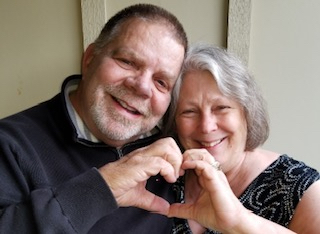
Brent and Sally Hoag

DEDICATED TO SALLY

SAIL ON

So far from the shore

I feel like I am no more

So far from land

I am now a lost husband

I am losing you

You are going away

Like a lost horizon on a cloudy day

From the deck I will release a dove

As a sign for you the one I love

Even though you are still here

I find that you are no longer near

Because you went adrift at sea

I will never again really be me

I love you Sally wherever you are

My heart is broken because you have forever gone afar

Even though I have found the shore

The “we” and “us” are never more

Sail on my love

Sail on my love

I pray that you find my dove

That I sent to you my love

Sail on

Sail on

Until you are finally free

From the bonds of this cruel sea

I will see you one day beyond the horizon

And my heavy tears will be no more

As we join together once again

So far from the shore

Love, Brent 💙

A special thank you goes out to Brent for sharing his beautiful poem. My heart goes out to him.

Angela G. Gentile, MSW, RSW

Note: Brent says, “Feel free to share and further disseminate this.”

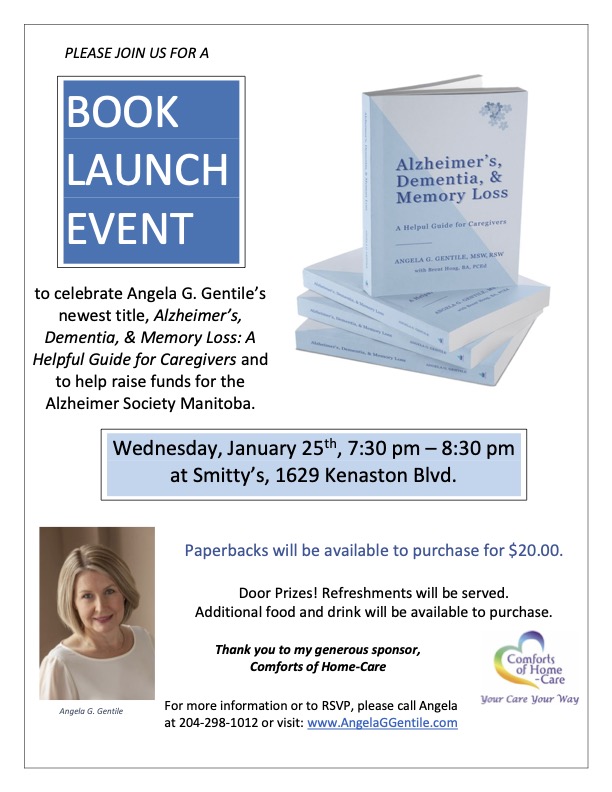
Book Launch and Alzheimer Society Manitoba Fundraiser

January is Alzheimer’s Awareness Month and I am planning to launch my newest book, Alzheimer’s, Dementia, & Memory Loss: A Helpful Guide for Caregivers on Wednesday, January 25th, 2023, 7:30 – 8:30 pm, at Smitty’s, 1629 Kenaston Blvd. here in Winnipeg, Manitoba.

I hope you can make it! Seating is limited so please let me know if you plan to be there.

Please help me out and share this with anyone you feel would be interested in attending.

Angela G. Gentile, MSW, RSW

Quality Senior Services Has a New Member! (Me)

Quality Senior Services – Trusted Professionals for All Your Needs. Member Angela G. Gentile.

Edit: I left the group on 12 Sep 2024.

Who can you trust to provide you with services and products that tried, tested, and true? Who do you call when you need professional services, products, or advice? If you are not sure, I have the answer for you!

I am proud to announce I am now a member of the Quality Senior Services network of trusted professionals in Winnipeg, Manitoba. Who are we?

We are dedicated to providing quality products and services to seniors.

Are you a senior looking for assistance or someone caring for an older person? The goal of QSS is to help meet the diverse needs of older adults providing easy access to a variety of products and services. Call one of our trusted professionals or visit our website at qualityseniorservices.com to discover how SQQ members can help you or someone you care about.

Quality Senior Services, 2023

Our brochure and website lists an impressive variety of professionals, including:

  • Realtor
  • Financial Planner
  • Disability Tax Credit Advisor
  • Licensed Insolvency Trustee (Accountant)
  • Lawyer
  • Mortgage Broker
  • Clinical Social Worker (me!)
  • Dental Care
  • Nurse Practitioner
  • Pharmacist
  • Speech and Swallowing Therapy (SLP)
  • Private Home Care
  • Home Medical Supplies
  • Professional Movers, Transition Specialists, and Estate Sales
  • Funeral Services
  • and MORE!

Quality Seniors Services (QSS) was founded in 2007 to provide a trusted and reliable space for seniors and caregivers alike, to find credible professionals with a strong rapport in the older adult community. QSS strives to offer a comprehensive variety of health services providers, professional service providers, and quality of life services providers. Each member of QSS is held to a high standard and is required to have an up-to-date criminal record check, vulnerable persons abuse registry check, and industry certification and professional requirements.

Quality Senior Services, 2023

Many of our members provide mobile or home visits. Accessibility is key. We know.

Our membership is always evolving and we are open to having new members who provide services to older adults and their families. All service providers are vetted and trusted, whether they are health sector, quality of life, or general professionals. We all come with a wealth of experience.

You will see us out at the “Pros Know Expos” and we are always willing to chat with you about your needs.

Angela G. Gentile, MSW, RSW

Clinical Social Worker for Quality Senior Services

For more information on QSS or email us at qseniorservice@gmail.com.

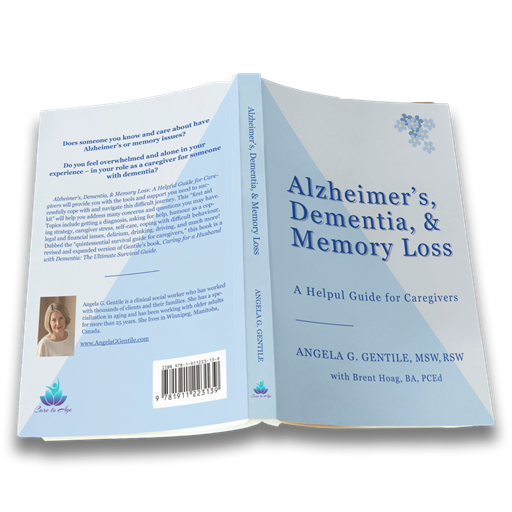
Alzheimer’s, Dementia, & Memory Loss by Angela G. Gentile with Brent Hoag (Book)

Buy the paperback

Buy the ebook (Kindle)

Here in Canada, January is Alzheimer’s Awareness month. To commemorate this event, I am thrilled to announce the release of my newest book, Alzheimer’s, Dementia, & Memory Loss: A Helpful Guide for Caregivers (2022). This book has been in the making for a few years now and I am pleased with its completion. It is available for purchase on Amazon in paperback and ebook (Kindle) format.

Alzheimer’s, Dementia, & Memory Loss is a fully revised and expanded version of my book, Caring for a Husband with Dementia. Caring for a Husband with Dementia, written in 2015, has been my number one seller and this new book is sure to enlighten everyone. It is written in gender-neutral language and will be relevant for all care partners and those who provide assistance and help to those struggling with cognitive decline and neurocognitive disorders.

My idea for this book came to me not long after I published, Caring for a Husband with Dementia. I had people asking me, “Where is the book for us husbands?” and “Where is my book? I am a child of a parent with dementia.” This got me thinking. So I started by having men who were caregivers look over the book. I had one man who was unable to complete his mission. So I had to continue to search for the right person(s) to help me.

Dubbed the “first aid kit” and “quintessential survival guide” for caregivers.

Eventually, I developed a friendship (through an online caregiver support group) with a man named Brent Hoag, whose wife Sally had been diagnosed with Alzheimer’s disease a few years prior. He was very keen on helping me and agreed to review the book from a male caregiver’s perspective. He is a prolific writer in support groups and online, so I knew he would be a great choice. His contributions to this book project were so valuable that I included his name on the front cover!

Brent’s contributions to Alzheimer’s, Dementia, & Memory Loss include a chapter on humour and his words of wisdom, experience, and advice are sprinkled throughout the book. You can sense the love for his wife in his words and the challenges he endured and how he handled them with loving care.

In this expanded volume I include special chapters on delirium, drinking, driving, and doggy dementia. In the seven years since I wrote my first book on dementia, caregivers have come to me with some very challenging situations that are unfortunately more common than we realize. The dementia-affected brain can pose so many difficult situations for caregivers, so this book is sure to shed some light on how to cope and manage.

Topics include:

  • Getting a Diagnosis
  • Understanding Dementia
  • Understanding Caregiving
  • Asking for Help
  • Practical and Emotional Support
  • Caregiver Burnout and Self Care
  • Humour as a Coping Strategy
  • Improving Self-Esteem
  • Long-Term Care Placement
  • Loss, Grief, and Bereavement
  • Communication (includes Therapeutic Reasoning®)
  • Coping with Difficult Behaviour (the biggest chapter with tons of tips!)
  • Abuse and Neglect
  • Legal and Financial Preparedness
  • Delirium and the Older Adult
  • Problem Drinking and Dementia
  • Unsafe Driving
  • Doggy Dementia
  • and more!

These 210 pages are full of support, tips, and advice that everyone can learn from whether you are a informal care provider or a formal caregiver. Problems with one’s memory and recalling recent events is often one of the first signs of dementia. I have included the term “memory loss” in the title in case a failing memory is the main problem one is having.

If you would like to purchase a copy, I always have some available on hand, or you can purchase the book online from Amazon. Contact me for any other inquiries, or click on these links to go to Amazon (USA – change country if needed):

Buy the paperback

Buy the ebook (Kindle)

Angela G. Gentile, MSW, RSW

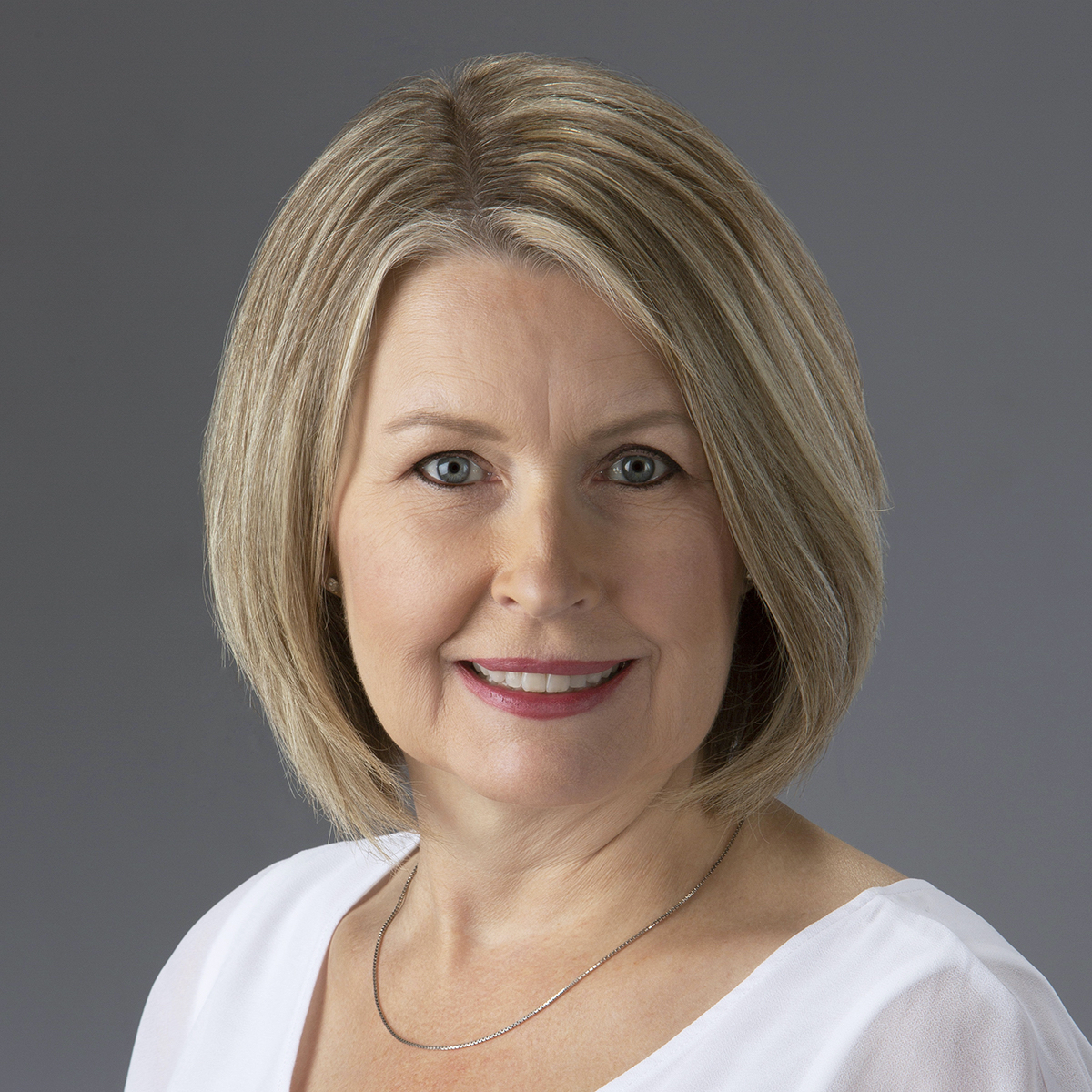
Angela G. Gentile is a clinical social worker who has worked with thousands of clients and their families. She has a specialization in aging and has been working with older adults for more than 25 years. Angela is married, has two adult children, and lives in Winnipeg, Manitoba, Canada.

For more information: AngelaGGentile.com